Indian-American candidates face H-1B heat, left-wing primaries in US midterms
Synopsis
Indian-American candidates in the November 3 midterms are caught in a political vice: on the right, a Republican-led H-1B crackdown alienates their own community base; on the left, progressive primary challengers have already toppled Shri Thanedar and Jenifer Rajkumar. Ethnic identity, it turns out, is no longer a shield in either party.
Key Takeaways
At least nine Indian Americans are on the November 3 Republican ballot, led by Vivek Ramaswamy 's Ohio governor campaign.
The Trump administration has proposed a $100,000 H-1B petition fee and suspended PERM green card certifications for eight tech firms .
Representative Shri Thanedar lost the Michigan Democratic primary on August 4 to DSA-backed challenger Donavan McKinney by 51.9% to 48.1% .
Assemblywoman Jenifer Rajkumar lost the June 23 Queens primary to DSA member David Orkin by 58.8% to 40.9% .
Nithya Raman leads Karen Bass 39% to 28% in the Los Angeles mayoral race; Pooja Sethi could become the first Indian American in the Texas Legislature if she wins on November 3 .
Indian-American candidates are navigating a double squeeze heading into the November 3 US midterms, with Republican nominees contending with a party-wide crackdown on skilled immigration and several Democratic incumbents already unseated by left-flank challengers. The twin pressures signal that ethnic identity alone is offering little political cover in an increasingly ideologically charged election cycle.
Republicans: Running Against Their Own Party's Immigration Stance
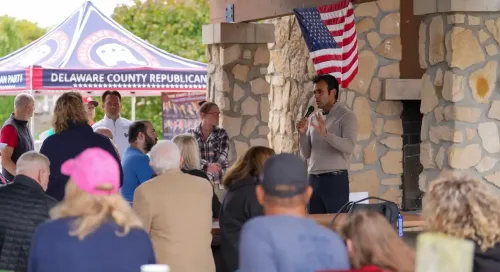
At least nine Indian Americans are on the November 3 ballot as Republicans, according to community media tallies. The most prominent is Vivek Ramaswamy, running for Ohio governor. Others include Saritha Komatireddy, the Republican nominee for New York attorney general, three US House nominees, and state legislative candidates across New York, Tennessee, California, and Michigan.
They are campaigning as the Trump administration and Republican leadership have adopted an increasingly hard line on skilled immigration — including a proposed $100,000 H-1B petition fee and the Labour Department's suspension of PERM green card certifications for eight technology companies. The H-1B programme is dominated by Indian professionals, and the policy shift has fuelled a strain of online hostility toward Indian Americans within parts of the conservative movement.
Democrats: Ousted in Primaries by the Progressive Left
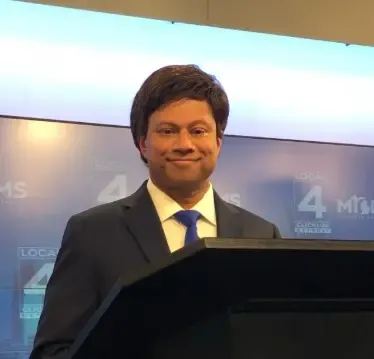
On the Democratic side, the pressure has arrived through primaries. In Michigan's 13th Congressional District, Representative Shri Thanedar lost the August 4 primary to state Representative Donavan McKinney, a democratic socialist backed by Senator Bernie Sanders, Representative Rashida Tlaib, and Justice Democrats. McKinney won 51.9% of the vote to Thanedar's 48.1%. Thanedar had broken with the Democratic Socialists of America in 2023, a split that reportedly cost him key left-bloc support.
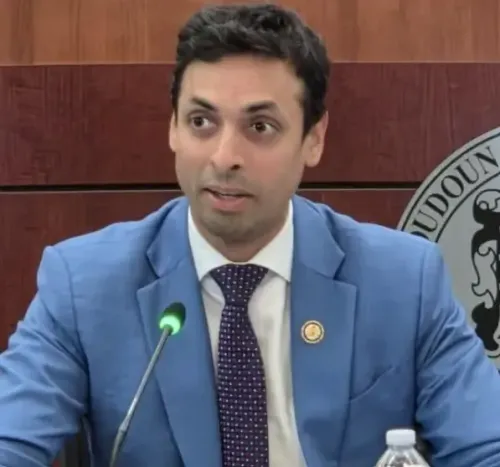
In New York, Assemblywoman Jenifer Rajkumar — the first South Asian woman elected to state office there — lost the June 23 primary for the 38th Assembly District in Queens to David Orkin, a DSA member backed by the group's New York City chapter. Orkin took 58.8% of the vote to Rajkumar's 40.9%. Rajkumar had publicly accused the DSA of waging 'a campaign of hate' against her.
In Georgia, Rahul Garabadu lost a June 16 Democratic runoff for state Senate District 7 to Ruwa Romman, a progressive endorsed by Sanders and Representative Alexandria Ocasio-Cortez, by 60.1% to 39.9%, according to Georgia's Secretary of State.
Indian-American Democrats Still Competing
Not every Indian-American Democrat has been on the losing end of the progressive surge. In Los Angeles, City Councilmember Nithya Raman — herself endorsed by the DSA in her 2020 council race — is challenging Mayor Karen Bass for the city's top office. A Berkeley IGS poll co-sponsored by the Los Angeles Times, conducted September 15 to 20, showed Raman leading Bass 39% to 28%. The two candidates met on Tuesday in the race's only live televised debate.
In Texas, immigration attorney Pooja Sethi won the March Democratic primary for House District 47 in Austin with approximately 76% of the vote. A victory on November 3 would make her the first Indian American in the Texas Legislature.
What the Pattern Reveals
Analysts note that positions on Israel and Gaza, donor ties, and ideological alignment — not community identity — are now the decisive fault lines in both parties. On the right, Indian-American Republicans must defend a party platform that targets an immigration pathway central to their own diaspora. On the left, candidates are being judged on their proximity to progressive causes, with Thanedar's and Rajkumar's defeats seen as cautionary examples. The November 3 results will test whether the community's remaining candidates can transcend both pressures.
Point of View
The community is being asked to endorse a party that is actively restricting the visa pathway that built diaspora prosperity. On the left, candidates who are not ideologically pure on Gaza and labour are being picked off by DSA machinery. What this cycle exposes is that the Indian-American political identity — built on economic aspiration and moderate positioning — has no natural home in an era of polarisation. The November 3 results will show whether pragmatism or ideology is the stronger electoral force.
NationPress
13 Oct 2026
Frequently Asked Questions
How many Indian Americans are running in the November 3 US midterms?
At least nine Indian Americans are on the November 3 ballot as Republicans, according to community media tallies, led by Vivek Ramaswamy's campaign for Ohio governor. Additional Indian-American Democrats, including Pooja Sethi in Texas and Nithya Raman in Los Angeles, are also in competitive races.
Why are Indian-American Republican candidates under pressure this election cycle?
They are running as the Trump administration takes a hard line on skilled immigration, including a proposed $100,000 H-1B petition fee and the suspension of PERM green card certifications for eight technology companies. Since the H-1B programme is dominated by Indian professionals, the policy has created friction between the party platform and community interests.
Which Indian-American Democrats lost their primaries in 2026?
Representative Shri Thanedar lost Michigan's August 4 Democratic primary to Donavan McKinney by 51.9% to 48.1%. Assemblywoman Jenifer Rajkumar lost New York's June 23 primary to David Orkin by 58.8% to 40.9%. Rahul Garabadu also lost a June 16 Georgia Democratic runoff to Ruwa Romman by 60.1% to 39.9%.
What issues drove the progressive primary victories over Indian-American incumbents?
Ideology, donor ties, and positions on Israel and Gaza were cited as key fault lines, alongside candidates' relationships with the Democratic Socialists of America. Both the Thanedar and Rajkumar defeats were linked in part to their distance from DSA-aligned progressive politics.
Are any Indian-American candidates performing strongly ahead of November 3?
Yes. Los Angeles City Councilmember Nithya Raman leads Mayor Karen Bass 39% to 28% in a Berkeley IGS poll conducted September 15–20. In Texas, Pooja Sethi won her Democratic primary with about 76% of the vote and could become the first Indian American in the Texas Legislature if she wins on November 3.