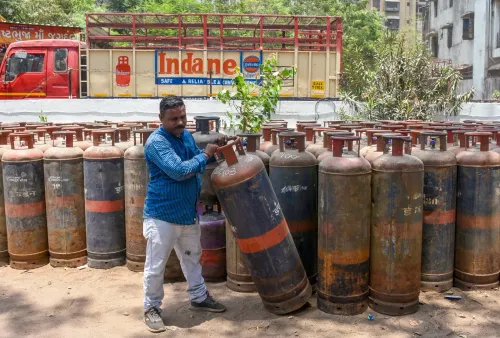
US-India energy ties deepen: America now supplies 67% of India's LPG imports
Synopsis
America has quietly become India's dominant LPG supplier — jumping from under 10% to 67% of imports in a single year — as the Strait of Hormuz blockage forced a historic energy pivot. Paired with India's first nuclear regulatory overhaul in two decades and a new 10-year defence pact, the US-India partnership is widening faster than most headlines have captured.
Key Takeaways
US LPG exports to India surged from under 10% to 67% of India's total imports through August 2026 , driven by the Strait of Hormuz blockage.
India targets at least 25% of its LPG supply from the US next year, even if Gulf supply routes normalise.
India passed the SHANTI Act in December — its first nuclear regulatory overhaul in 20 years — opening the sector to private players and revising liability rules.
A 10-year Defence Framework Agreement signed by Defence Minister Rajnath Singh and US Defence Secretary Pete Hegseth covers interoperability, joint manufacturing, intelligence sharing, and Indo-Pacific maritime security.
US President Donald Trump has directed greater diplomatic attention toward South Asia , with the US-India relationship as its anchor.
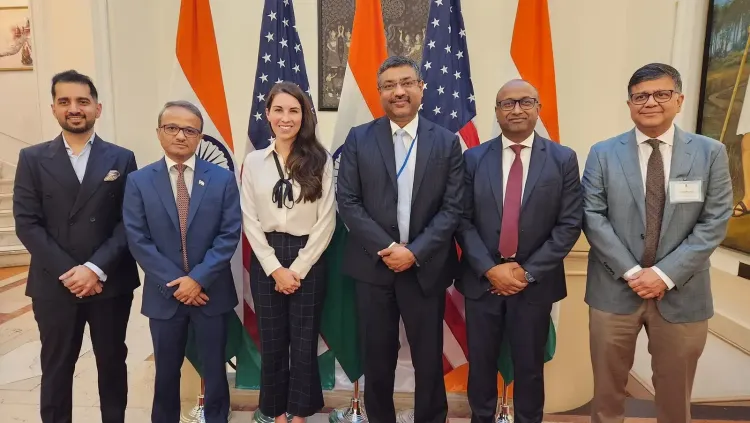
Bethany Morrison, Deputy Assistant Secretary of State for South and Central Asia at the US State Department, on 25 September 2026 described the US-India partnership as growing in both 'scale and breadth', with the energy sector serving as the clearest illustration of deepening bilateral ties. Speaking at a briefing for reporters in New York, Morrison highlighted a dramatic shift in India's LPG sourcing and flagged fresh momentum in civil nuclear cooperation.
America Becomes India's Largest LPG Supplier
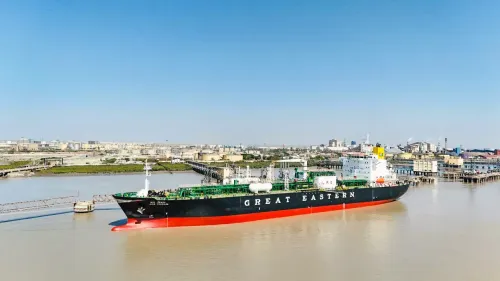
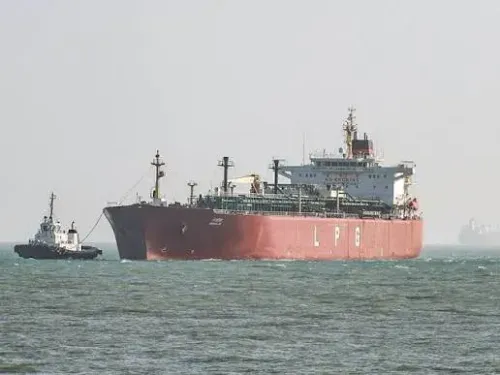
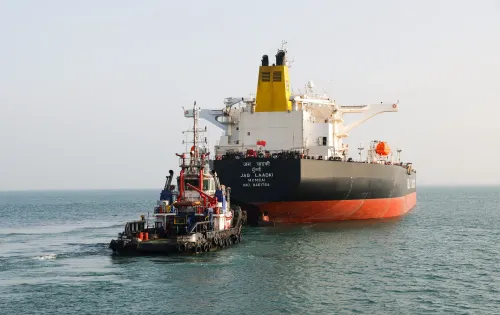
The most striking data point from Morrison's remarks: US LPG exports to India surged from under 10 per cent of India's total imports last year to 67 per cent through August 2026. The catalyst was the blockage of the Strait of Hormuz, the critical chokepoint through which a large share of India's Gulf-sourced LPG had traditionally flowed.
'We're now very proudly the largest exporter of LPG to India,' Morrison said. The shift underscores how geopolitical disruption in the Middle East has accelerated India's energy diversification away from Gulf dependence — a strategic goal New Delhi had long identified but struggled to operationalise at scale.
Even if conditions in the Gulf stabilise, India reportedly targets sourcing at least 25 per cent of its LPG supply from the US next year, signalling that the diversification is not merely reactive but structural.
SHANTI Act Opens Nuclear Cooperation Pathway
Morrison also cited 'exciting new developments' in civil nuclear cooperation, pointing to India's passage of the Sustainable Harnessing and Advancement of Nuclear Energy for Transforming India (SHANTI) Act in December. She described it as the first reform of India's nuclear regulatory environment in 20 years.
The SHANTI Act opens India's nuclear sector to private participation and revises liability rules that had long been cited as a barrier to foreign investment and US-India civilian nuclear collaboration. 'Now we're moving forward on some really exciting new developments in civil nuclear cooperation,' Morrison said.
This comes amid a broader global push for nuclear energy as countries seek low-carbon baseload power, with several US firms reportedly eyeing opportunities in India's expanded civilian nuclear market.
Defence Framework Adds Strategic Depth
Beyond energy, Morrison highlighted the 10-year Defence Framework Agreement signed last year by Defence Minister Rajnath Singh and US Defence Secretary Pete Hegseth as another marker of deepening ties. The agreement covers interoperability between the two countries' weapon systems, joint defence manufacturing, intelligence sharing, and maritime security in the Indo-Pacific.
The framework is seen as a significant upgrade to the defence relationship, moving beyond episodic arms sales toward institutionalised cooperation across the full spectrum of security needs.
Trump Administration Pivots Attention to South Asia
Morrison also noted that US President Donald Trump has directed his administration to pay greater attention to South Asia, a region she called 'critical' but historically under-resourced in terms of US diplomatic focus.
'It's often a region that historically gets overlooked until there's a crisis because of all, everything else, happening in the world — from what's happening in Latin America to Africa to the Middle East, and then obviously land wars in Europe,' she said. The remarks suggest a deliberate recalibration of US foreign policy bandwidth toward the subcontinent, with the US-India relationship likely to serve as its anchor.
With energy, nuclear, and defence threads all tightening simultaneously, the trajectory of the partnership heading into the next few years will hinge on how quickly new frameworks — the SHANTI Act in particular — can be translated into on-the-ground projects.
Point of View
But it was crisis-driven — the Strait of Hormuz blockage, not strategic planning, forced the pivot. The more significant signal is India's stated intent to hold at least 25% US sourcing even after Gulf routes normalise, which would mark a genuine structural shift in energy diplomacy. The SHANTI Act is potentially the bigger story: two decades of stalled civil nuclear cooperation could finally unlock, but the liability framework revisions need rigorous implementation before US firms commit capital. The Trump administration's stated South Asia focus is welcome, but South Asia has been called 'critical and overlooked' by successive US administrations — the test is sustained bandwidth, not briefing-room rhetoric.
NationPress
25 Sept 2026
Frequently Asked Questions
Why did US LPG exports to India jump so sharply in 2026?
The surge — from under 10% to 67% of India's LPG imports — was triggered by the blockage of the Strait of Hormuz, through which most of India's Gulf-sourced LPG had traditionally flowed. With that route disrupted, India rapidly scaled up purchases from the United States to meet domestic demand.
What is the SHANTI Act and why does it matter for US-India relations?
The Sustainable Harnessing and Advancement of Nuclear Energy for Transforming India (SHANTI) Act, passed in December, is India's first nuclear regulatory reform in 20 years. It opens the nuclear sector to private players and revises liability rules that had long blocked meaningful US-India civil nuclear cooperation, potentially unlocking a major new chapter in bilateral energy ties.
What does the US-India Defence Framework Agreement cover?
The 10-year Defence Framework Agreement, signed by Defence Minister Rajnath Singh and US Defence Secretary Pete Hegseth last year, covers interoperability between the two countries' weapon systems, joint defence manufacturing, intelligence sharing, and maritime security in the Indo-Pacific.
Will India continue sourcing LPG from the US even if Gulf supply routes stabilise?
According to reports, yes — India reportedly targets sourcing at least 25% of its LPG from the United States next year regardless of whether Gulf routes normalise. This suggests the diversification is not merely a crisis response but a longer-term strategic shift.
What did the US State Department say about South Asia's strategic importance?
Deputy Assistant Secretary Bethany Morrison said US President Donald Trump has directed greater diplomatic focus on South Asia, describing it as a 'critical' region that has historically been overlooked between global crises. She expressed optimism about the direction of US partnerships in the region over the coming years.