US-Qatar minerals pact signed as partners back Hormuz passage
Synopsis
The US and Qatar signed a critical minerals framework while reaffirming free passage through the Strait of Hormuz, a route that carried about a fifth of global LNG trade in 2024. Their statement did not specify minerals projects or funding.
Key Takeaways
The United States and Qatar signed a critical minerals framework during their eighth strategic dialogue in Washington .
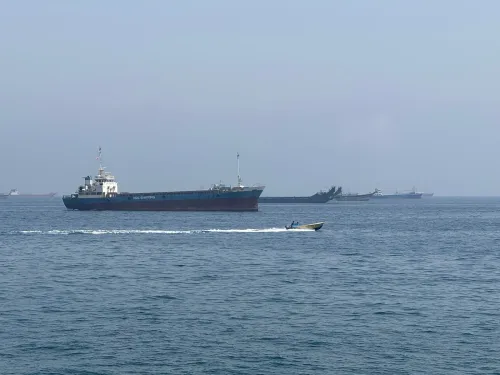
The governments reaffirmed support for freedom of navigation through the Strait of Hormuz .
About one-fifth of global LNG trade passed through Hormuz in 2024 , according to the US Energy Information Administration .
China , India and South Korea received 52% of the LNG moving through the strait that year.
The governments reviewed an existing $38 billion defence statement of intent and said further discussions would continue into early 2027 .
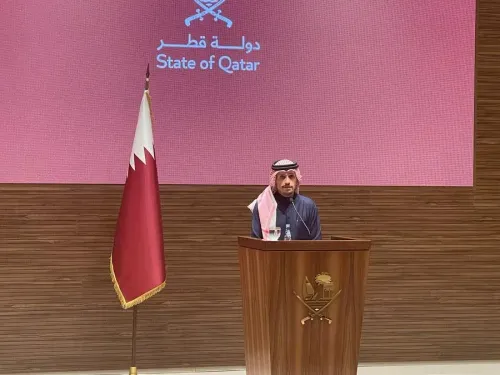
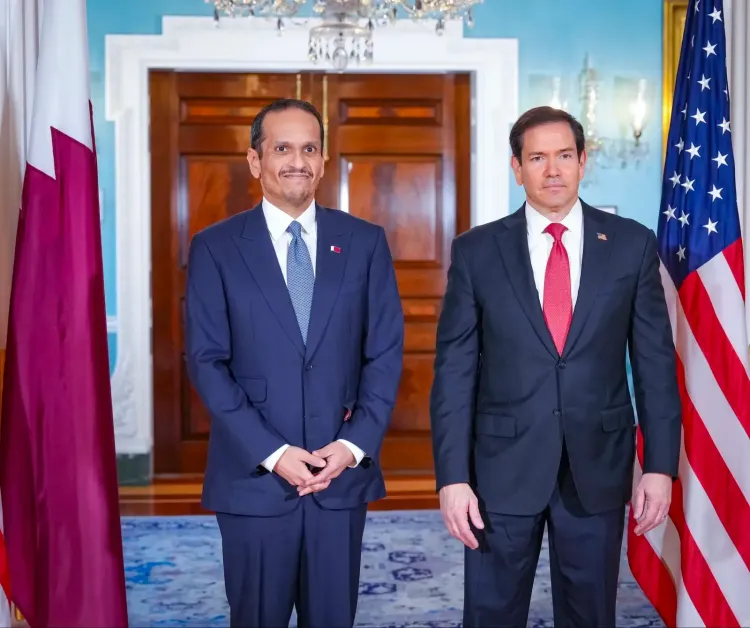
The US-Qatar critical minerals pact was signed in Washington on Monday as the two countries also backed freedom of navigation through the Strait of Hormuz. The agreement emerged from the eighth US-Qatar Strategic Dialogue, held while Doha continues efforts to narrow differences between Washington and Tehran.
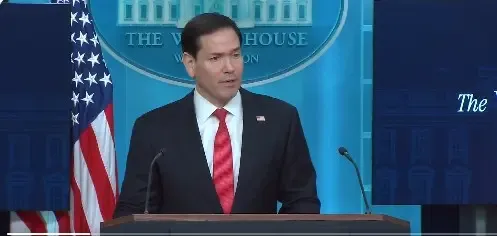
US Secretary of State Marco Rubio and Qatari Prime Minister and Foreign Minister Sheikh Mohammed bin Abdulrahman Al Thani led the dialogue, which also covered defence, energy, technology and regional security.
Minerals framework and supply chains
The critical minerals framework is intended to align the countries’ strategies for diversifying supply chains and making them more resilient. The governments’ joint statement did not include the text of the framework, name individual projects or announce a funding commitment.
The absence of those details leaves the scope of future projects and investment under the framework unclear. The dialogue also covered advanced computing, digital infrastructure and cybersecurity.
Washington welcomed Qatar’s participation in Pax Silica, an initiative focused on technology and supply-chain security. The governments also highlighted the Golden Pass LNG project as part of their energy cooperation.
Hormuz passage and energy supplies
In their joint statement, the governments said: “Both sides reaffirmed their commitment to upholding freedom of navigation through the Strait of Hormuz.” They added that safe and unimpeded passage was essential to regional security, reliable energy supplies and global economic stability.
The waterway is important for Asian energy buyers. The US Energy Information Administration estimates that about one-fifth of global liquefied natural gas trade passed through the strait in 2024, primarily from Qatar.
China, India and South Korea together received 52% of the LNG moving through the strait that year, according to the agency’s estimates. The figures underline the relevance of access to the waterway beyond the immediate Gulf region.
Qatar’s mediation and regional talks
Rubio thanked Qatar’s leadership for its international mediation efforts. A separate US State Department readout said he stressed close coordination to deter threats and promote stability across the Middle East.
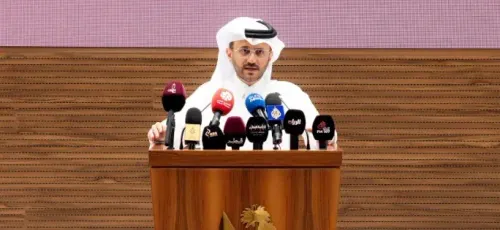
Qatari Foreign Ministry spokesperson Majed bin Mohammed Al Ansari said on 17 November that efforts to narrow differences between the United States and Iran were continuing. He said representatives were meeting periodically to discuss proposals.
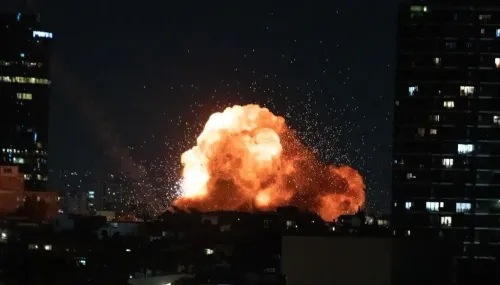
Al Ansari also warned that escalation in the Gulf threatened navigation, the global economy and prospects for an agreement. The strategic dialogue covered Iran, Gaza, Syria, Lebanon and Afghanistan, alongside cooperation against terrorism, money laundering and transnational organised crime.
Defence cooperation and next steps
On defence, the governments reviewed progress under an existing $38 billion statement of intent. They also discussed potential investments in munitions and equipment intended to help their armed forces operate together.
The joint statement said further discussions on defence, security, counterterrorism, law enforcement and cultural ties would continue into early 2027. The details of projects and funding under the new minerals framework remain to be specified.
Point of View
But its practical significance cannot be assessed without project and funding details. Diplomatic declarations will need to be matched by transparent implementation and sustained efforts to reduce regional tensions.
NationPress
24 Nov 2026
Frequently Asked Questions
What did the US and Qatar agree on critical minerals?
The US and Qatar signed a framework intended to align their strategies for diversifying critical minerals supply chains and making them more resilient. Their joint statement did not identify projects or announce funding.
What did the US and Qatar say about the Strait of Hormuz?
The two governments reaffirmed their commitment to freedom of navigation through the Strait of Hormuz. They said safe, unimpeded passage was essential to regional security, energy supplies and global economic stability.
Why does the Strait of Hormuz matter to India?
India is among the major recipients of LNG moving through the Strait of Hormuz. India, China and South Korea together received 52% of that LNG in 2024, according to US Energy Information Administration estimates.
What role is Qatar playing between the US and Iran?
Qatar says it is continuing efforts to narrow differences between the United States and Iran. Its Foreign Ministry spokesperson said representatives were meeting periodically to discuss proposals.
What happens next in US-Qatar cooperation?
The governments said discussions on defence, security, counterterrorism, law enforcement and cultural ties would continue into early 2027. The joint statement did not specify projects or funding for the new minerals framework.