US Remains Resilient Amid Hormuz Tensions, Says Greer
Synopsis
Jamieson Greer, US Trade Representative, emphasizes the nation's resilience against supply chain disruptions from the Strait of Hormuz while acknowledging impacts on Asian economies. His insights shed light on US objectives in Iran and the outlook for future US-China relations.
Key Takeaways
US is largely insulated from supply chain disruptions.
Impacts on Asian economies are being closely monitored.
Objectives in Iran include preventing nuclear weapons .
Greer expresses cautious optimism for US-China relations.
Concerns raised about WTO's ability to address trade imbalances.
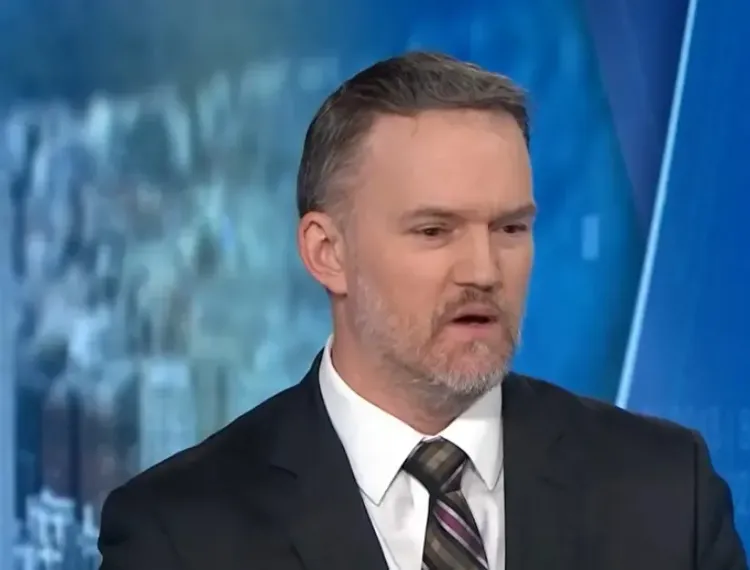
On March 31, Washington (NationPress) reported that US Trade Representative Jamieson Greer stated on Tuesday that the US is largely protected from supply chain disruptions caused by rising tensions in the Strait of Hormuz. However, these disruptions are adversely affecting significant Asian economies.
Greer explained to Bloomberg, "At this moment, it's crucial to recognize that the United States is mostly insulated from many of the supply chain impacts regarding... direct commodities," emphasizing the nation's reliance on domestic sourcing and partnerships within the region.
Nonetheless, he cautioned about the broader global repercussions, especially for Asian nations.
"We acknowledge that this situation has repercussions for other countries, particularly in Asia. Their supplies are constrained, and we are monitoring the situation very closely," Greer remarked.
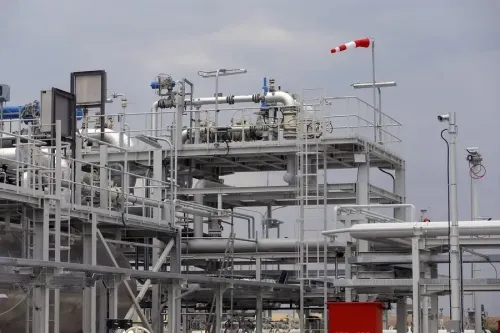
The Strait of Hormuz plays a vital role as a transit route for oil, liquefied petroleum gas, and fertilizers—essential commodities for economies like India.
Greer refrained from providing a definitive timeline for stabilization, indicating that operations are being assessed in terms of weeks without adhering to artificial timelines.
He mentioned that the objectives of the US regarding Iran include "eliminating ballistic missiles, dismantling their Navy, and ensuring they cannot acquire a nuclear weapon."
Turning to China, the US Trade Representative conveyed a cautiously positive outlook ahead of the scheduled leadership discussions in May.
“Both parties (the US and China) are interested in stability. Both sides seek continuity,” he stated, adding, “I foresee stability with China in the coming year.”
Greer noted that recent talks with Chinese officials concentrated on preparations for the forthcoming summit and broader structural trade matters rather than immediate geopolitical tensions.
“We were focused on gearing up for the leaders' meeting... discussing the WTO's future,” he explained.
He criticized the World Trade Organization's capability to address contemporary trade imbalances, stating, “The WTO has never been effective in tackling these issues and will not be able to in the future. It struggles to handle even its current agenda,” he asserted.
He highlighted the unsuccessful reform attempts, noting that proposals supported by various trading partners faced resistance.
“This is exhibit A of the WTO's failure to deal with these fundamental challenges,” Greer stated.
Regarding tariffs, Greer avoided committing to reverting to previous levels on imports from China, indicating that ongoing investigations under Section 301 would influence the outcome.
“I can't preempt the investigations... we must follow the legal procedures,” the US Trade Representative remarked.
Nonetheless, he stressed that Washington would continue to prioritize domestic industries.
“The President... will keep safeguarding our economy... so we can promote increased production in the US and higher wages here,” Greer stated.
He also underscored endeavors to decrease reliance on Chinese supply chains, specifically in rare earth elements.
“We're launching new projects in the United States... collaborating with our partners... to bolster supply chain security,” he mentioned.
Greer added that both nations are striving to establish formal mechanisms to regulate trade flows.
“We've been discussing a trade board... to facilitate trade management,” Greer remarked, emphasizing US priorities like exporting aircraft, medical devices, and agricultural goods.
Point of View
It is evident that while the US maintains a strong stance against supply chain disruptions, the interconnectedness of global economies means that Asian markets could feel significant repercussions. Greer’s comments highlight the need for vigilance in monitoring these developments.
NationPress
1 Oct 2026
Frequently Asked Questions
What are the implications of the Strait of Hormuz tensions?
The tensions in the Strait of Hormuz can disrupt vital oil and gas supplies, impacting not only the US but also key Asian economies reliant on these commodities.
How is the US Trade Representative addressing supply chain issues?
Greer emphasized the importance of domestic sourcing and partnerships with regional allies to mitigate supply chain disruptions.
What are US objectives regarding Iran?
The US aims to eliminate ballistic missiles, dismantle Iran's Navy, and prevent the acquisition of nuclear weapons.
What is the outlook for US-China relations?
Greer expressed cautious optimism about stability in US-China relations, particularly ahead of upcoming leadership talks.
How does the WTO factor into trade discussions?
Greer criticized the WTO's effectiveness in addressing modern trade imbalances and called for better mechanisms to manage trade flows.