White House Blames Biden for Inflation, Touts Trump Price Cuts
Synopsis
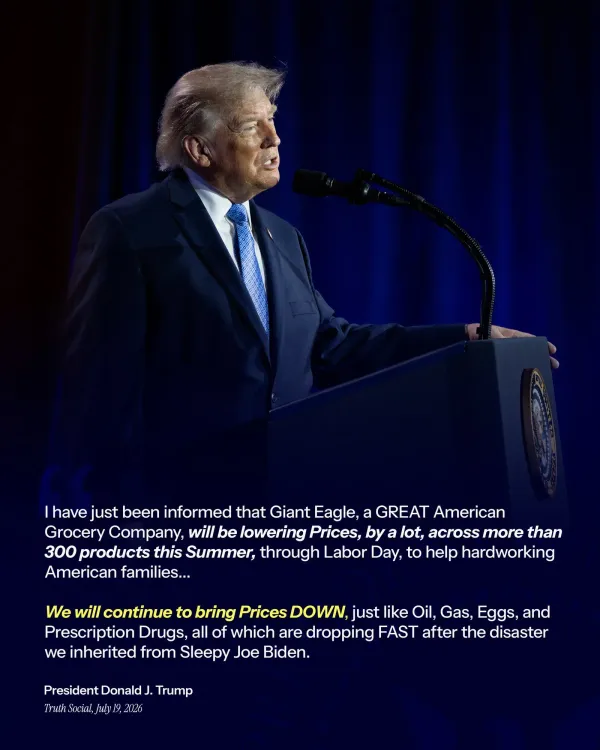
The White House on 20 July 2026 publicly blamed the Biden administration for 'disastrous inflation and skyrocketing prices,' asserting the Trump Administration is driving prices down. The post sharpens partisan battle lines over cost-of-living ahead of upcoming CPI data releases.
Key Takeaways
The White House posted on 20 July 2026 attributing inflation directly to the Biden administration's economic management.
The post claims the Trump Administration is actively working to ensure prices 'keep tumbling DOWN.' US inflation peaked above 9 percent in 2022 during the Biden era, the highest in roughly four decades, before moderating.
The American Rescue Plan Act of 2021 has been a focal point of Republican criticism linking stimulus spending to price surges.
Independent economists note inflation is shaped by global supply chains, Federal Reserve policy, and energy markets — not solely by any one administration.
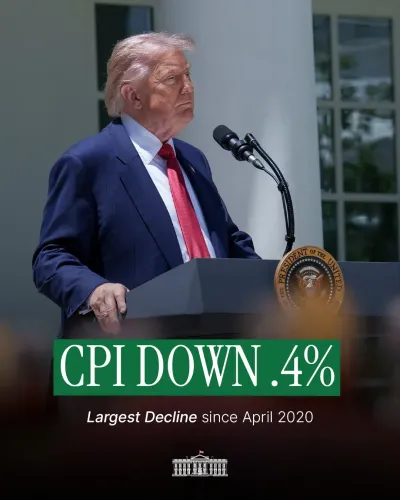
Monthly CPI and PCE data from the Bureau of Labor Statistics will be the key benchmarks to watch for price trends.
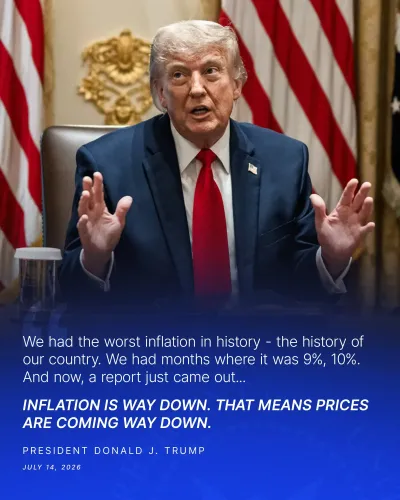
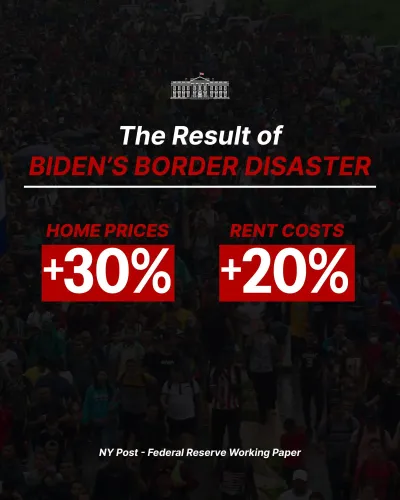
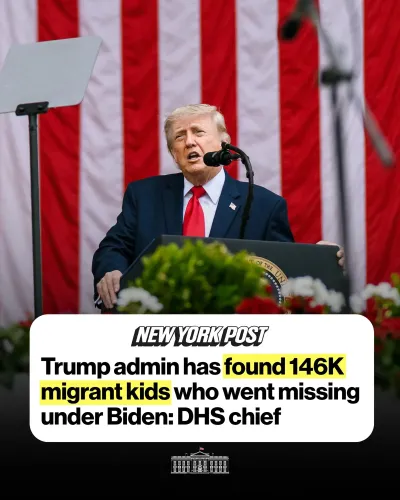
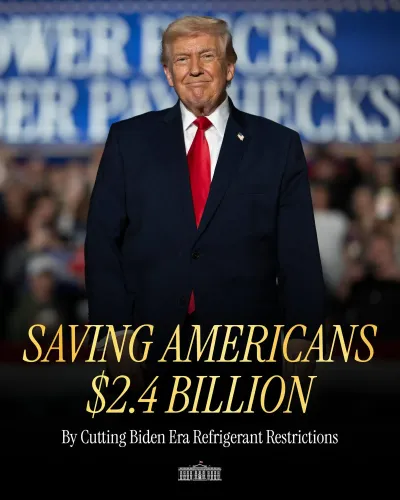
The White House posted on X on Monday, 20 July 2026, blaming the Biden administration for what it called a 'failed economy' that caused 'disastrous inflation and skyrocketing prices' for American households, while asserting that the Trump Administration is actively working to bring prices down.
Context
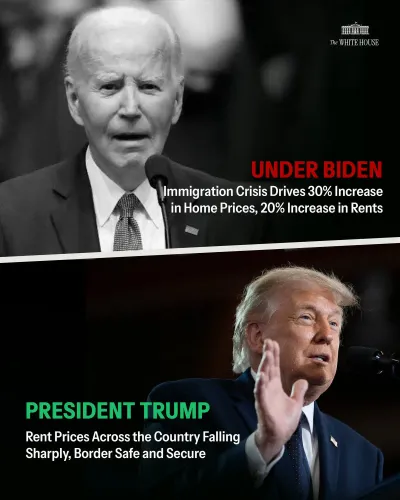
The post states directly: 'Biden's failed economy caused disastrous inflation and skyrocketing prices for the American people. The Trump Administration is working to ensure prices keep tumbling DOWN.' The message is framed as a contrast between the two administrations on cost-of-living pressures that have dominated American political discourse since 2021.
Joe Biden, the 46th President of the United States who served from 2021 to 2025, oversaw a period in which inflation peaked at above 9 percent in 2022 — the highest rate in roughly four decades — before gradually moderating. Donald Trump, now in his second term as 45th and 47th President, has consistently made cost-of-living a central pillar of his political messaging.
Policy Backdrop
Critics of the Biden era have long pointed to the American Rescue Plan Act of 2021, a large-scale fiscal stimulus package, as a key driver of the inflation surge that followed. Supporters of that legislation argued it was necessary to cushion the economic blow of the COVID-19 pandemic and prevent a deeper recession.
The Trump Administration's first term introduced the Tax Cuts and Jobs Act of 2017, which reduced corporate and individual tax rates with the stated aim of accelerating economic growth. The current second term has continued to emphasise deregulation and tariff-based trade policy as tools to reshape domestic price dynamics, though the precise measures referenced in this post were not specified.
Stakeholders and Impact
American working families and consumers remain the central stakeholders in this debate. Elevated prices for groceries, housing, energy, and everyday goods eroded purchasing power significantly during the post-pandemic inflation surge, and cost-of-living concerns have consistently ranked among the top issues for voters across party lines.
The White House framing positions the current administration as the corrective force, though economists and independent analysts note that inflation trajectories are shaped by a complex mix of global supply chains, Federal Reserve monetary policy, fiscal spending, and energy markets — factors that do not fall neatly under any single administration's control.
What's Next
Observers will watch monthly Consumer Price Index (CPI) and Personal Consumption Expenditures (PCE) data releases from the Bureau of Labor Statistics to assess whether prices are in fact continuing to fall. Federal Reserve policy statements on interest-rate paths will also be closely tracked, as monetary policy remains one of the most direct levers for controlling inflation.
The White House's public messaging on inflation signals that cost-of-living will remain a defining political battleground heading further into Trump's second term, with each data release likely to be interpreted through a partisan lens by both sides.
Point of View
' the Trump administration is staking a reputational claim on disinflation that will be tested against hard data in coming months. For Indian observers, the framing matters because US monetary and fiscal conditions directly influence global commodity prices, dollar strength, and capital flows into emerging markets including India. If the White House's price-drop narrative holds up in CPI prints, it could also embolden the Fed toward rate cuts — a development Indian policymakers and markets will watch closely.
NationPress
21 Jul 2026
Frequently Asked Questions
Why is the White House blaming Biden for inflation in 2026?
The White House is using retrospective blame-framing to contrast economic conditions under the Biden era — when inflation peaked above 9 percent in 2022 — with what it describes as falling prices under the current Trump Administration. This is a common political messaging strategy ahead of economic data releases.
What caused inflation in the United States under Biden?
US inflation surged primarily due to a combination of large fiscal stimulus through the American Rescue Plan Act of 2021, pandemic-era supply chain disruptions, and a spike in global energy prices. Critics focused on government spending while supporters pointed to global factors outside any administration's control.
Is inflation actually falling in the US under Trump's second term?
The White House claims prices are 'tumbling DOWN,' but specific 2026 price trajectory data cannot be independently verified from available research. Monthly CPI and PCE releases from the Bureau of Labor Statistics are the authoritative benchmarks to track.
How does US inflation affect India?
High US inflation typically prompts the Federal Reserve to raise interest rates, which strengthens the dollar and can trigger capital outflows from emerging markets like India, putting pressure on the rupee and raising India's import costs. A sustained US disinflation trend could ease these pressures.
What is the Trump Administration doing to lower prices?
The White House post does not specify particular measures. The broader Trump economic agenda has included deregulation, tariff-based trade policy, and tax cuts — though economists debate whether these tools directly lower consumer prices or can have mixed effects on inflation.