White House: China Stole 220 Million US Voter Files
Synopsis
The White House has alleged that China conducted the largest election data breach in history, stealing 220 million U.S. voter files over multiple years beginning in the 2020 election cycle — a claim that dramatically escalates U.S. public attribution of Chinese cyber operations.
Key Takeaways
The White House alleged on July 17, 2026 that China stole 220 million U.S. voter files in what it called the largest election data breach in history.
The breach allegedly began during the 2020 U.S. election cycle and unfolded over multiple years.
Voter files contain sensitive personal data including names, addresses, dates of birth, party affiliation, and voting history.
The scale of the alleged breach would far exceed the 2015 OPM hack , previously the largest known breach attributed to Chinese actors, which exposed records of over 20 million individuals .
The public attribution via an official White House post marks an escalation in U.S. strategy of openly naming China in cyber intrusion allegations.
Congressional hearings and demands for intelligence disclosures are expected to follow the statement.
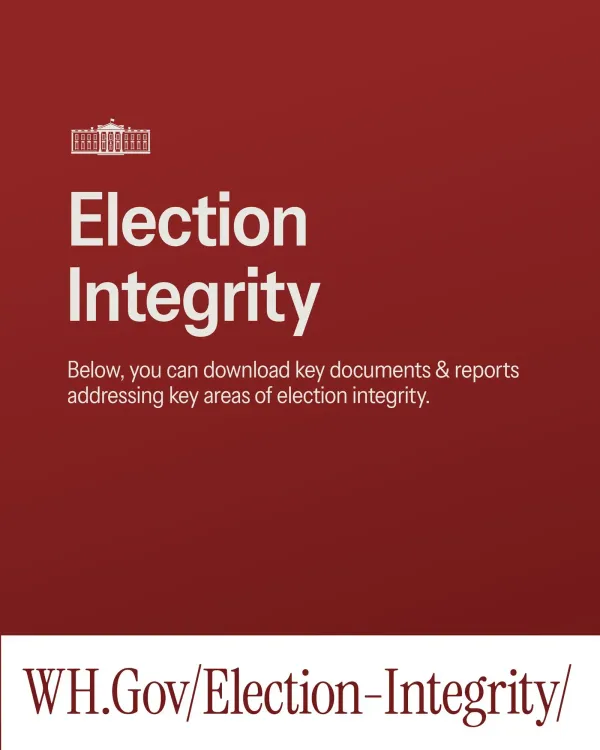
The White House on Friday, July 17, 2026 publicly alleged that the People's Republic of China carried out what it described as 'the largest compromise of election data in history,' claiming Beijing illicitly acquired 220 million U.S. voter files beginning during the 2020 election cycle.
Context
The official White House post stated that the breach unfolded 'over a period of years starting during the 2020 election cycle,' resulting in China's acquisition of 220 million U.S. voter files. The statement frames the intrusion not as a one-time attack but as a sustained, multi-year cyber operation targeting American election infrastructure and voter data systems.
Voter files typically contain names, addresses, dates of birth, party registration, and voting history — data that, in bulk, can be exploited for influence operations, targeted disinformation, or identity profiling at a national scale.
Policy Backdrop
The allegation fits a well-documented pattern of large-scale data collection attributed by U.S. authorities to Chinese state-sponsored actors. The most comparable prior incident was the 2015 breach of the U.S. Office of Personnel Management (OPM), in which records of more than 20 million individuals — including federal employees with security clearances — were exfiltrated in an operation the U.S. attributed to China. If the voter-file figure of 220 million stands, it would dwarf that breach by an order of magnitude.
U.S. intelligence agencies have consistently warned that China, alongside other state actors, seeks to acquire bulk personal data on American citizens for long-term strategic purposes. Election-related data is considered especially sensitive because it maps the political landscape of the American electorate.
Stakeholders and Impact
The most directly affected parties are U.S. voters, whose personal and political information may now be held by a foreign government. State election officials across the country, who maintain voter registration databases, face scrutiny over the security protocols governing those systems.
The claim, if substantiated, would represent a significant escalation in the U.S.-China cyber rivalry and could intensify calls for federal standards governing the security of state-level voter data. For India and other democracies, the allegation raises parallel questions about the vulnerability of electoral data infrastructure to foreign cyber operations.
What's Next
The White House statement is likely to trigger demands for the release of underlying intelligence assessments and prompt congressional hearings on election data protections ahead of future electoral cycles. China has historically denied involvement in state-sponsored hacking operations and is expected to reject the allegation.
The broader implication is a sharpening of the U.S. posture on cyber attribution — moving such claims from classified intelligence channels into direct public communication — signalling that the executive branch views transparency on foreign cyber threats as a strategic tool in itself.
Point of View
Using transparency as a pressure tool against Beijing. The 220 million figure, if verified, would represent a quantum leap beyond any previously disclosed data breach attributed to China, including the 2015 OPM hack. This move arrives amid intensifying U.S.-China strategic competition and is likely calibrated to build domestic and allied consensus for stronger cyber deterrence measures. For democracies worldwide, the claim underscores that voter registration infrastructure has become a frontline target in great-power information warfare.
NationPress
17 Jul 2026
Frequently Asked Questions
What did China allegedly steal from the US election system?
The White House alleged that China illicitly acquired 220 million U.S. voter files — records containing personal and political data on American voters — over a period of years beginning during the 2020 election cycle.
Is the 220 million voter file breach the biggest in history?
The White House described it as 'the largest compromise of election data in history.' The claim has not been independently verified, and China has not responded publicly to this specific allegation.
What information is in a U.S. voter file?
U.S. voter files typically include a voter's name, home address, date of birth, party registration, and voting history — data that in bulk can be used for profiling, targeted disinformation, or influence operations.
Has China hacked US government data before?
Yes. The U.S. attributed the 2015 breach of the Office of Personnel Management to Chinese actors, which exposed records of more than 20 million individuals, including federal employees with security clearances.
What happens next after the White House election data claim?
The allegation is expected to prompt congressional hearings and calls for the release of intelligence assessments. China is likely to deny involvement, as it has done in previous U.S. cyber attributions.