White House Claims 15 Months of Zero Border Crossings
Synopsis
The White House declared on 4 August 2026 that the US has recorded zero illegal border crossings for 15 consecutive months, framing the milestone as proof that its hardline immigration enforcement agenda has delivered on a core campaign promise.
Key Takeaways
The White House posted on 4 August 2026 claiming 15 months of zero illegal border crossings at the US-Mexico border.
The administration called the border 'locked' and the country 'secure,' invoking the slogan 'Promises Made, Promises Kept.' The 15-month window traces back to approximately May 2025 , coinciding with early second-term executive actions on immigration enforcement.
Key measures cited in the policy period include expanded deportation authority, Remain in Mexico policy extensions, and military deployments to the southern border.
Independent verification of a sustained 'zero crossings' figure would depend on official US Customs and Border Protection data, which the administration has not attached to the post.
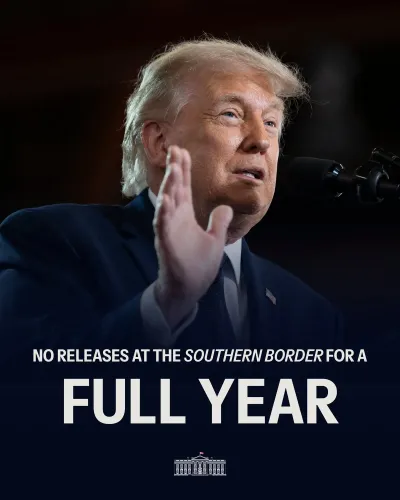
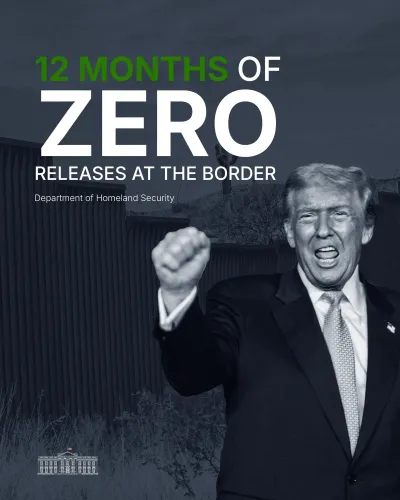
Fifteen months. That is the number the White House is putting at the centre of its immigration record — claiming that illegal border crossings have been held at zero since the current administration tightened enforcement at the US-Mexico frontier.
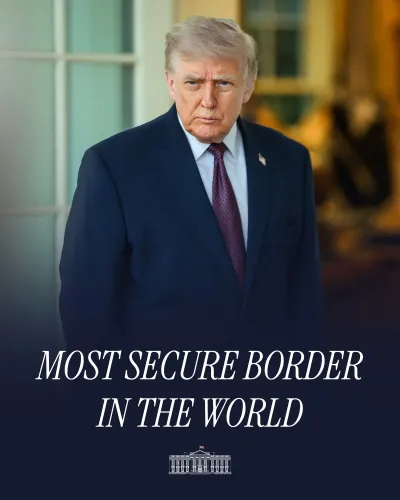
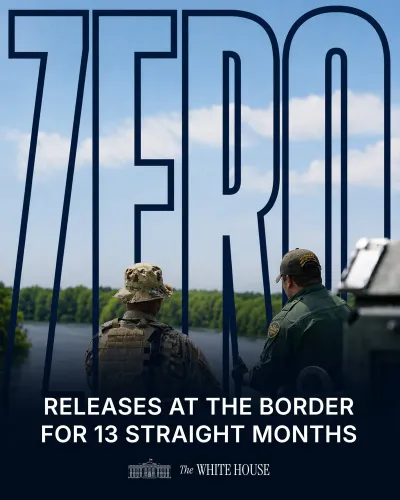
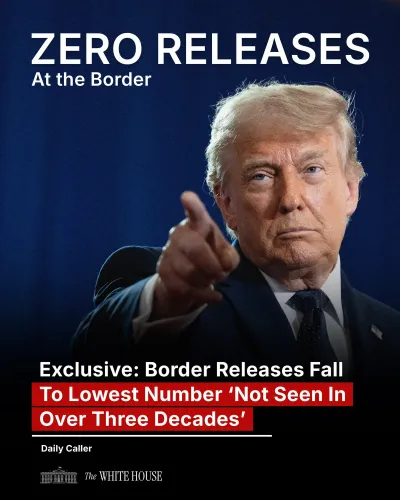
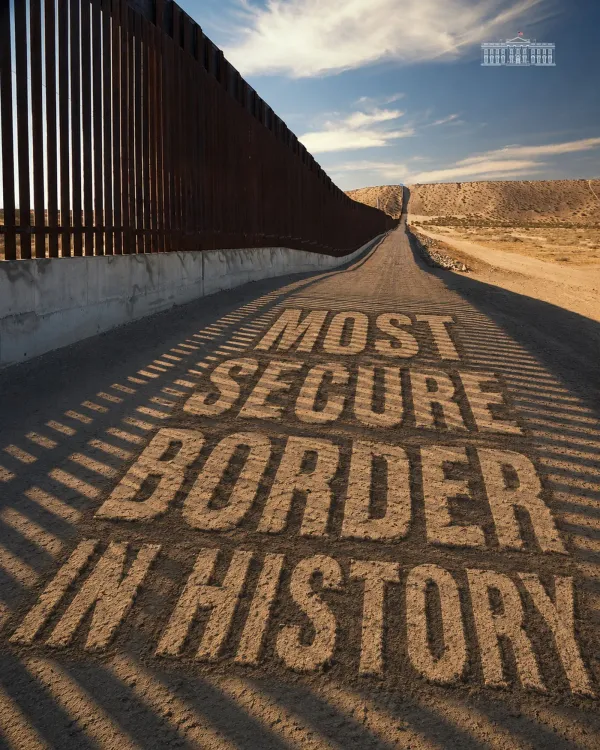
On Tuesday, 4 August 2026, the White House posted on X: '15 months of ZERO border crossings. The border is locked. America is secure. Promises Made, Promises Kept.' The post, accompanied by an image, frames the milestone as a fulfilment of one of the administration's most prominent campaign commitments — hardline immigration enforcement.
What 'Zero Crossings' Actually Means
The claim of zero illegal border crossings is a political benchmark, not a technical one. Administrations typically measure border encounters — the number of migrants apprehended or turned away at ports of entry and between them — as reported by US Customs and Border Protection (CBP). A 'zero crossings' framing suggests those encounter numbers have been driven to negligible or statistically near-zero levels, though independent verification of such a figure over a sustained 15-month period would require official CBP data releases.
The phrase 'Promises Made, Promises Kept' is a deliberate callback to a long-running Republican campaign slogan, used prominently since the first Trump administration. Its reappearance here signals the White House is positioning this milestone as a core re-election or legacy argument — border security as a completed mission, not a work in progress.
Why the '15 Months' Clock Matters
Counting from May 2025, the 15-month window aligns with the early months of the administration's second term, when a series of executive orders dramatically expanded deportation authority, reinstated and extended the Remain in Mexico policy framework, and deployed additional military and National Guard assets to the southern border. The administration has consistently argued that the combination of physical barriers, legal deterrents, and bilateral agreements with Mexico and Central American governments produced the drop.
For Indian audiences, the US southern border debate carries real stakes: immigration policy shifts in Washington ripple into visa processing timelines, H-1B adjudications, and the broader political climate around legal migration — areas that directly affect hundreds of thousands of Indian nationals in the United States.
Whether the 15-month claim holds up to independent scrutiny will be the next test. The White House has set the bar itself — and that bar is now on the record.
Point of View
Converting an enforcement metric into a legacy narrative ahead of what is likely an intensifying domestic debate. By anchoring the claim to a specific duration and the 'Promises Made, Promises Kept' frame, the administration is signalling that border security is a closed chapter — a completed deliverable rather than an ongoing challenge. For observers tracking US immigration policy, the key question is whether the CBP encounter data bears out the absolute language, since even a single month of revised figures would undercut the headline. The broader pattern here is the White House using social media to lock in a narrative before independent data can complicate it.
NationPress
4 Aug 2026
Frequently Asked Questions
What does the White House mean by zero border crossings?
The White House claims that illegal crossings at the US-Mexico border have been reduced to zero over the past 15 months, attributing this to stricter enforcement, expanded deportation authority, and bilateral agreements with Mexico and Central American nations.
When did the US achieve zero border crossings according to the White House?
According to the post dated 4 August 2026 , the 15-month zero-crossings period would trace back to approximately May 2025 , shortly after the administration's second-term immigration executive orders took effect.
What is 'Promises Made, Promises Kept' in US politics?
'Promises Made, Promises Kept' is a Republican campaign slogan used to argue that the administration has followed through on its core election pledges, particularly on immigration and border security.
How does US border policy affect Indians in America?
Shifts in US immigration enforcement affect the broader political climate around legal migration, influencing visa processing timelines and H-1B adjudications — issues that directly concern hundreds of thousands of Indian nationals living and working in the United States.
Is the zero border crossings claim independently verified?
The White House post does not attach official US Customs and Border Protection data to support the claim. Independent verification would require a review of CBP encounter statistics for the full 15-month period.