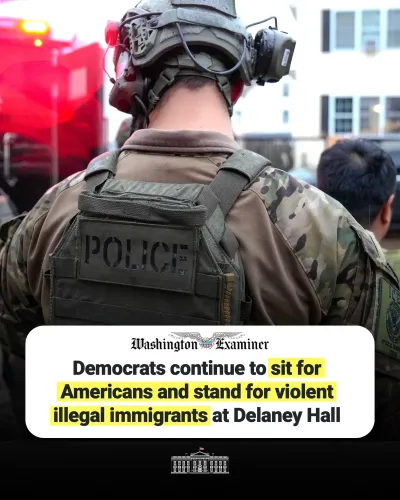
White House Blasts Democrats Over 'Defund the Police' Policies

Synopsis
The White House on June 9, 2026, attacked Democrats over the 'defund the police' movement, accusing them of endangering Americans and sidelining law enforcement. The post declares Republicans are 'fighting back' to restore support for police and reverse Democratic criminal-justice and immigration policies.
Key Takeaways
The White House posted on June 9, 2026 , accusing Democrats of causing harm through the 'defund the police' movement.
The post claims Democrats tried to 'reverse historic wins' and prioritise 'violent illegal aliens' over American citizens.
Republicans are framed as defenders of law enforcement, vowing to end the use of police as 'political pawns.' The 'defund the police' movement emerged after the 2020 death of George Floyd , with several Democratic-led cities cutting police budgets.
The statement signals that police funding and immigration enforcement will remain central Republican legislative priorities.
Congressional action on police funding authorisations and new immigration enforcement legislation is expected to follow.
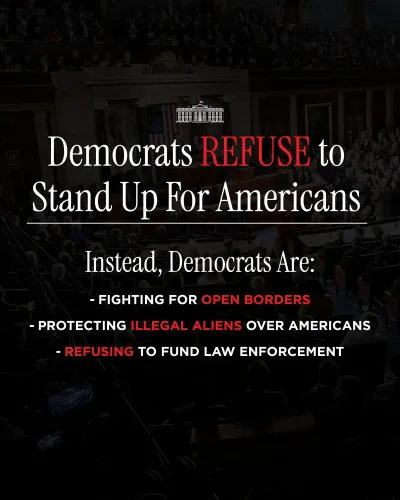
The White House on Tuesday, June 9, 2026, issued a sharp political broadside against Democrats, accusing them of harming millions of Americans through what it called the 'defund the police' disaster and of prioritising 'violent illegal aliens' over American citizens.
Context
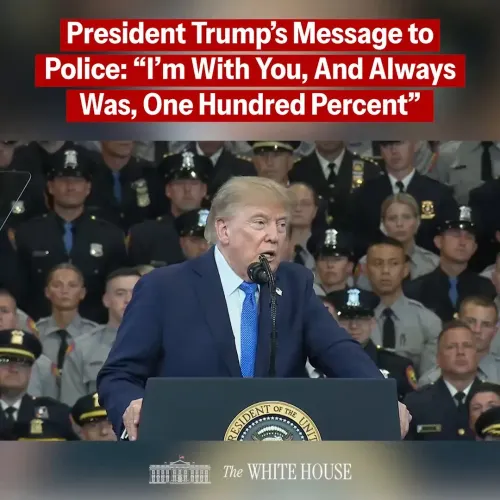
The official White House account posted that 'millions of Americans have suffered under radical Democrats' defund the police disaster,' adding that Democrats 'have tried to reverse historic wins and put violent illegal aliens ahead of Americans.' The post concluded with a declaration that 'Republicans are fighting back' and pledged 'no more treating law enforcement heroes like political pawns.'
The message represents the executive office's direct entry into domestic law-and-order messaging, framing current Republican governance as a corrective to years of Democratic criminal-justice and immigration policy.
Policy Backdrop
The 'defund the police' movement gained significant national traction following the 2020 death of George Floyd in Minneapolis. Several Democratic-led cities enacted reductions to police department budgets under the banner of reallocating funds toward social services.
Republicans have consistently opposed these measures, making law-and-order a central plank in successive election cycles. The White House post reinforces that positioning, linking police-funding debates directly to immigration enforcement — a pairing that has defined Republican domestic messaging since 2020.
Congressional debates over police funding authorisations and immigration enforcement legislation have remained active fault lines, with each side accusing the other of endangering public safety.
Stakeholders and Impact
The statement directly invokes law enforcement officers as the aggrieved party, casting them as 'heroes' who were used as 'political pawns' under Democratic governance. Police unions and advocacy groups that have long aligned with Republican positions are likely to amplify the message.
For ordinary American citizens, particularly in urban areas that experienced rising crime rates in the years following budget cuts, the post taps into lived anxieties about public safety. Critics on the Democratic side have argued that the 'defund' label was applied broadly to modest budget reallocations that did not meaningfully reduce police capacity.
Immigration-enforcement communities and border-state constituencies are also implicated, given the post's reference to 'violent illegal aliens' — language that mirrors the administration's broader framing of undocumented migration as a public-safety threat.
What's Next
The White House signalling suggests that police funding and immigration enforcement will remain high-profile legislative priorities for the Republican-led government. Observers will watch for concrete Congressional action — new authorisations for law enforcement grants, expanded deportation authorities, or rollbacks of any remaining city-level defund measures.
With partisan lines sharply drawn, the post sets the stage for intensified debate over the direction of American criminal-justice and immigration policy in the months ahead.
Point of View
Now amplified through the authority of the executive office itself. By coupling police-funding grievances with immigration rhetoric, the administration is consolidating two of its most reliable base-mobilising themes into a single narrative. The move also serves a pre-emptive function: framing any future Democratic pushback on enforcement budgets or deportation policy as a repeat of a proven political liability. For Indian observers tracking US domestic politics, the post illustrates how executive communications infrastructure is increasingly used as a direct partisan campaign tool.
NationPress
21 Sept 2026
Frequently Asked Questions
What is the 'defund the police' movement in the United States?
The 'defund the police' movement is an advocacy effort, prominent since the 2020 George Floyd protests, that calls for reducing police department budgets and redirecting funds toward social services such as mental health and housing programmes.
Why is the White House criticising Democrats over police policy in 2026?
The White House posted on June 9, 2026, accusing Democrats of harming Americans by cutting police budgets and prioritising undocumented immigrants over citizens, framing Republican governance as a corrective to those policies.
What did the White House say about illegal immigration and public safety?
The White House post claimed Democrats 'put violent illegal aliens ahead of Americans,' linking immigration enforcement directly to public safety — a recurring theme in Republican domestic messaging since 2020.
How have Republicans responded to the defund the police movement?
Republicans have consistently opposed police budget cuts, making law-and-order a central election issue. The White House post declares Republicans are 'fighting back' and pledges to stop treating law enforcement 'like political pawns.'
What policy changes could follow this White House statement?
Observers expect Congressional action on police funding authorisations and tougher immigration enforcement legislation, as the White House statement signals these will be high-priority legislative goals for the Republican-led government.