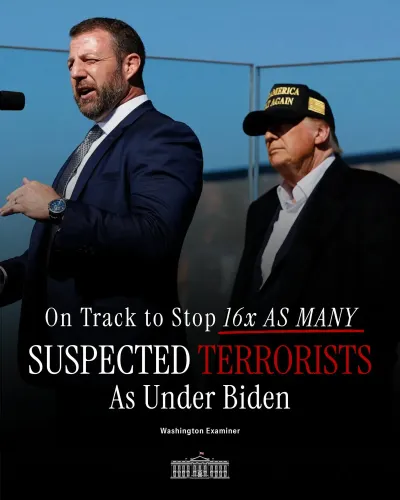
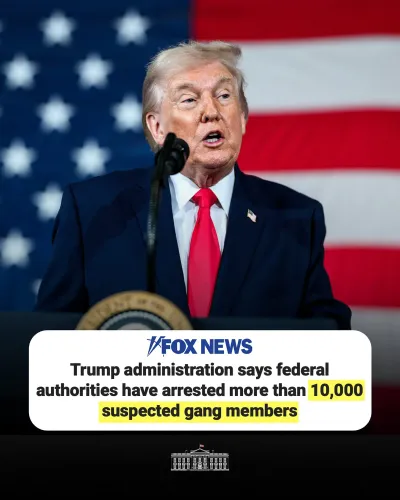
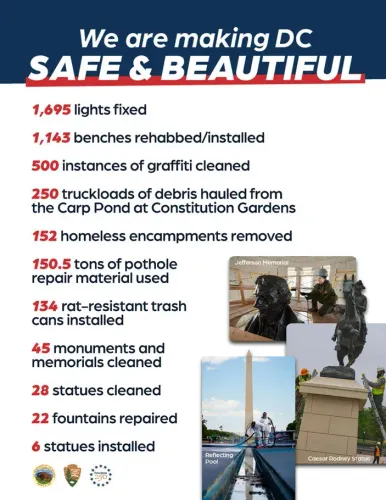
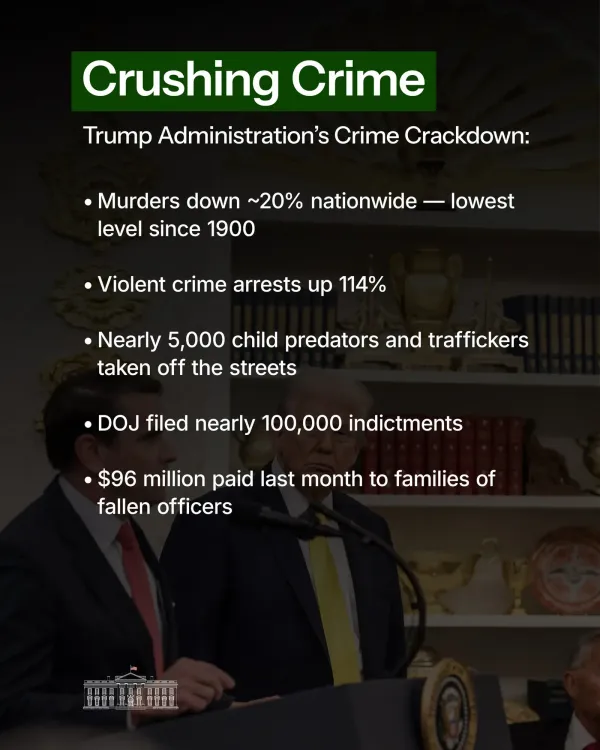
White House Says Trump Admin Is 'Making America Safe Again'
Synopsis
The White House invoked President Trump's signature 'Making America Safe Again' slogan on 15 July 2026, reaffirming the administration's law-and-order and immigration enforcement agenda that has defined Trump's political identity since 2016.
Key Takeaways
The White House posted on 15 July 2026 declaring the Trump Administration is 'MAKING AMERICA SAFE AGAIN.' The slogan has anchored Trump 's political messaging on crime and immigration since his 2016 campaign.
During the first term, executive orders in 2017 directed the DHS to expand border wall construction and interior ICE enforcement.
The Remain in Mexico policy, expanded in 2019 , required asylum seekers to await case hearings outside the United States .
Upcoming FBI crime statistics and Border Patrol encounter data will serve as key benchmarks for evaluating the administration's safety claims.
The administration's use of campaign slogans in official White House communications reflects a deliberate strategy of sustaining political momentum through institutional channels.
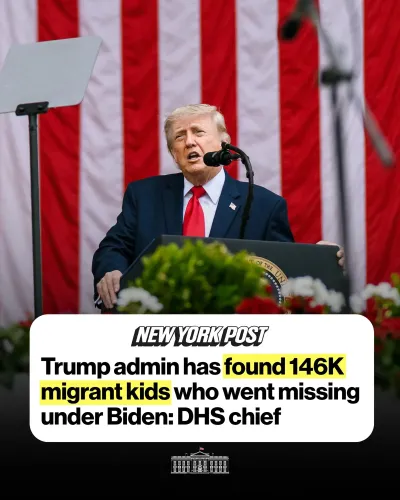
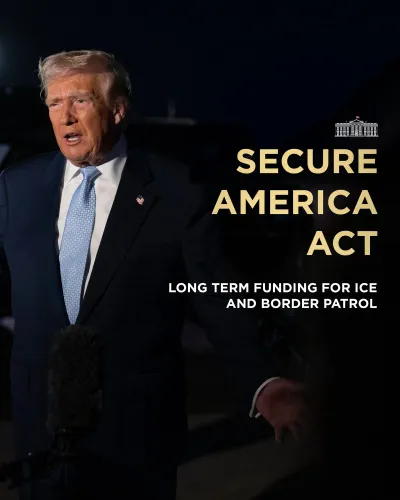
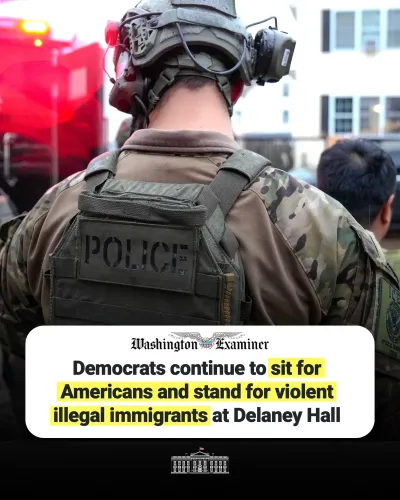
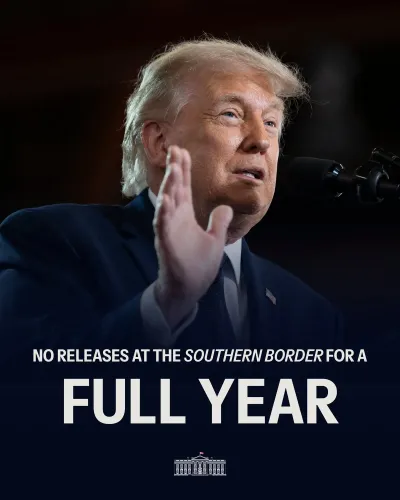
The White House, the official communications account of the Executive Office of the President of the United States, posted on X on Wednesday, 15 July 2026, declaring that 'The Trump Administration is MAKING AMERICA SAFE AGAIN' — a direct invocation of one of President Donald J. Trump's signature law-and-order slogans.
Context
The phrase 'Make America Safe Again' has been central to Trump's political identity since his first presidential campaign in 2016, framing federal governance around crime reduction, stricter immigration enforcement, and expanded support for law enforcement agencies. The post, brief and declarative, signals that this messaging remains a cornerstone of the administration's public communications in its second term.
The White House's use of capitalised text — 'MAKING AMERICA SAFE AGAIN' — mirrors the emphatic style adopted across the administration's official social media presence, echoing campaign-rally rhetoric in an institutional setting.
Policy Backdrop
During Trump's first term (2017–2021), the administration pursued a sweeping law-and-order agenda. Executive orders issued in 2017 directed the Department of Homeland Security (DHS) to accelerate border wall construction and intensify interior immigration enforcement through Immigration and Customs Enforcement (ICE).
In 2019, the administration expanded the 'Remain in Mexico' policy, formally known as the Migrant Protection Protocols, requiring asylum seekers to wait outside the United States while their cases were processed. On criminal justice, the bipartisan First Step Act was signed into law in 2018, reforming federal sentencing guidelines and supporting prisoner reentry programmes — a rare area of cross-aisle cooperation within an otherwise combative domestic security agenda.
The US-Mexico border has remained the primary theatre of Trump-era immigration enforcement, with encounter data and deportation figures serving as recurring benchmarks for administration performance claims.
Stakeholders and Impact
The administration's safety messaging directly engages several constituencies: federal and local law enforcement agencies, border communities in states such as Texas, Arizona, and California, and immigration enforcement personnel within DHS. Supporters argue that tighter border controls and pro-police policies reduce crime and deter illegal crossings.
Critics, including immigration advocacy groups and civil liberties organisations, have consistently contended that aggressive enforcement conflates immigration status with criminality and strains due-process protections. The broader public debate over what 'safe' means — and for whom — remains politically charged heading into the latter half of 2026.
What's Next
Analysts and policy watchers will look to upcoming releases of quarterly US Border Patrol encounter data and FBI crime statistics as empirical markers against which the administration's safety claims will be measured. Any new executive orders targeting sanctuary jurisdictions or expanding interior enforcement operations would further define the contours of the second-term agenda.
The White House's continued use of campaign-era slogans in official communications suggests that the administration views public messaging on law and order as an ongoing political asset, not merely a policy position — a pattern that is likely to intensify as mid-term political cycles approach.
Point of View
All-caps post is less a policy announcement than a branding exercise — a reminder that the Trump administration treats its official communications channels as extensions of its campaign infrastructure. By anchoring the message to 'Making America Safe Again,' the administration signals continuity with the themes that drove both the 2016 and 2024 victories, keeping its core electoral coalition energised. For observers tracking US domestic policy, the absence of specific metrics or legislative detail in the post is itself telling: the administration is betting that the slogan carries sufficient political weight without supporting data. Whether quarterly border and crime statistics bear out the claim will determine how durable this messaging proves heading into the next electoral cycle.
NationPress
15 Jul 2026
Frequently Asked Questions
What does 'Making America Safe Again' mean in the context of the Trump administration?
'Making America Safe Again' is a signature Trump slogan emphasising stricter immigration enforcement, support for law enforcement agencies, and reduced crime — themes central to both his 2016 and 2024 presidential campaigns.
What immigration policies did Trump introduce to improve border security?
During his first term, Trump issued executive orders in 2017 directing expanded border wall construction and ICE interior enforcement, and in 2019 introduced the 'Remain in Mexico' policy requiring asylum seekers to wait outside the US during case proceedings.
What is the Department of Homeland Security's role in Trump's safety agenda?
The Department of Homeland Security is the primary federal agency executing Trump-era immigration and border enforcement policies, overseeing ICE operations, Customs and Border Protection, and asylum processing protocols.
What was the First Step Act signed by Trump?
The First Step Act, signed in 2018, was a bipartisan criminal justice reform law that revised federal sentencing guidelines and created programmes to support prisoner reentry — one of the few broadly supported domestic policy achievements of Trump's first term.
How will analysts measure whether the Trump administration is actually making America safer?
Key indicators include quarterly US Border Patrol encounter data and FBI crime statistics, which provide empirical benchmarks against which the administration's law-and-order claims can be assessed.