White House Vows to Make Washington DC Safe and Beautiful Again
Synopsis
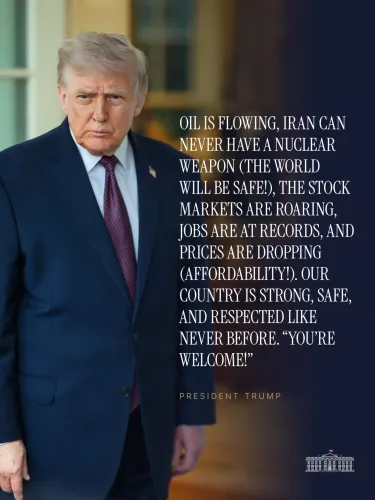
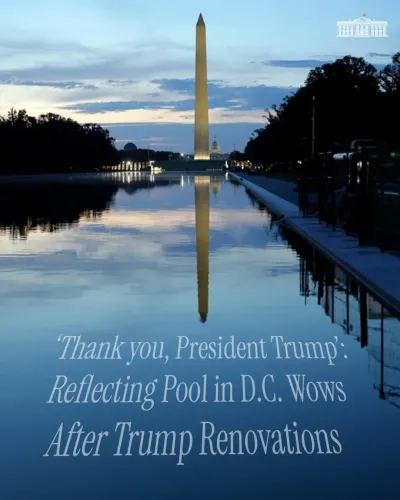
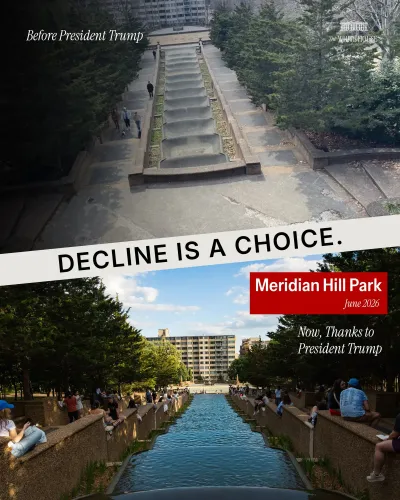
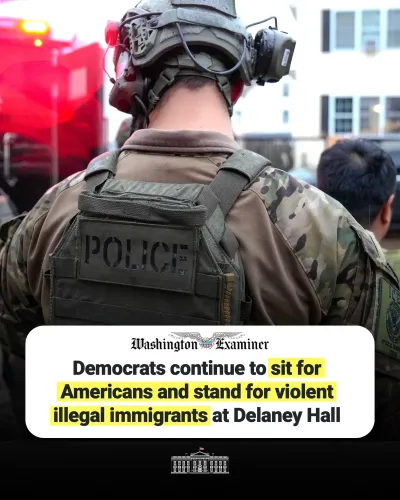
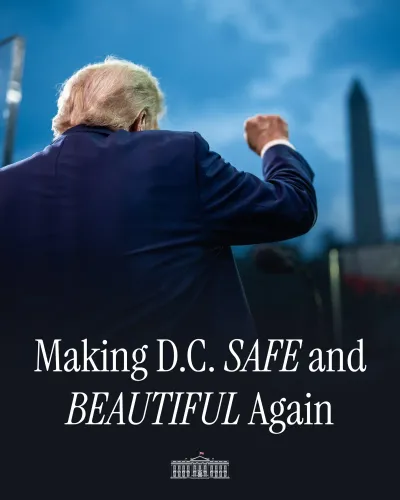
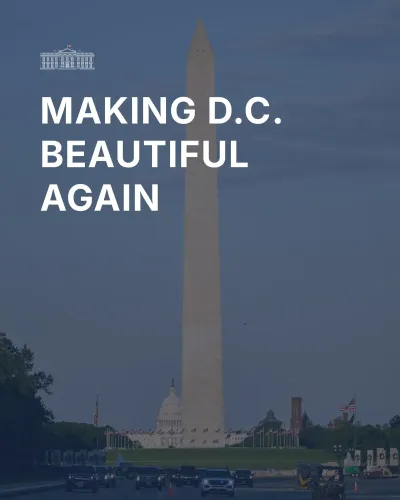
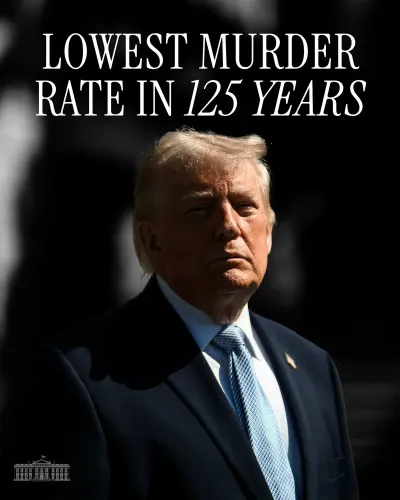
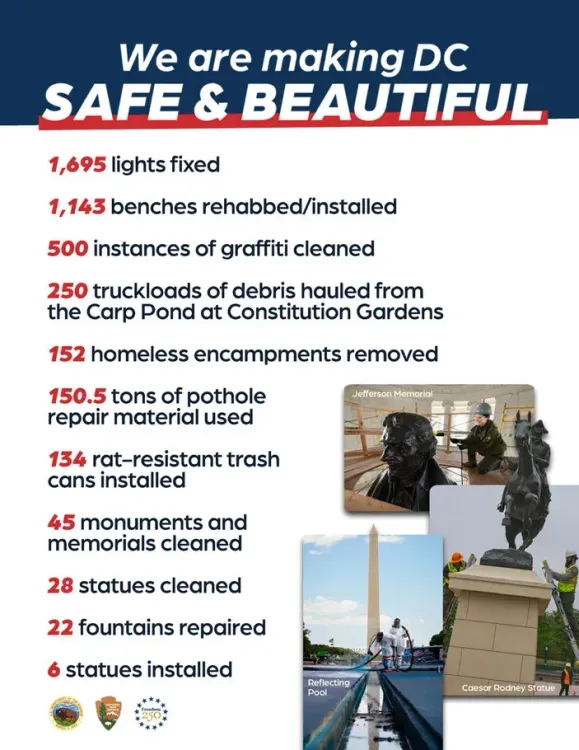
The White House on 22 June 2026 credited President Donald Trump for making Washington D.C. safer and more beautiful, invoking the administration's signature law-and-order framing and the federal government's unique oversight authority over the US capital.
Key Takeaways
The White House posted on 22 June 2026 crediting President Trump for making Washington D.C. safer and more beautiful.
Washington D.C. is uniquely subject to direct congressional and presidential oversight, unlike any US state.
The messaging echoes a recurring Republican frame of federal intervention in the capital's public safety and aesthetics.
The Trump administration's first term saw similar federal coordination efforts with the Metropolitan Police Department from 2019–2020 .
Key stakeholders include D.C. 's approximately 700,000 residents and the large federal workforce based in the capital.
Concrete follow-on policy actions — executive orders, budget requests, or congressional hearings — are yet to be announced.
The White House, the official communications account of the Executive Office of the President of the United States, on Monday, 22 June 2026, posted a message crediting President Donald Trump for efforts to make Washington D.C. safer and more beautiful, signalling a continued federal push on the capital's public order and appearance.
Context
The post, reading 'We are making DC SAFE & BEAUTIFUL AGAIN,' directly echoes the broader 'Make America Great Again' rhetorical frame that has defined Trump's political brand across both his administrations. Washington D.C. occupies a unique constitutional position: unlike any US state, its local governance, policing budgets, and federal property maintenance fall under direct congressional and presidential oversight, giving the executive branch unusually broad levers over the city's day-to-day management.
This creates a political dynamic where the sitting president can claim direct credit — or assign direct blame — for conditions in the capital in ways that would not apply to any other American city.
Policy Backdrop
During Trump's first term (2017–2021), his administration repeatedly invoked federal authority to address what it described as disorder in D.C., including coordination with the Metropolitan Police Department and directives on the maintenance of federal monuments and public spaces. The 2024 campaign renewed those pledges, with explicit commitments to extend urban crime-reduction priorities to the seat of government.
Republican administrations have historically framed federal intervention in D.C. governance as both a law-and-order imperative and a matter of national image — the argument being that the condition of the capital reflects on the country as a whole. The current messaging fits squarely within that lineage.
Stakeholders and Impact
D.C.'s roughly 700,000 residents are the most directly affected — they live under a governance structure where Congress retains ultimate authority over the district's budget and laws, and where presidential priorities can reshape policing and public-space policy without the checks that state governments provide elsewhere. The large federal workforce that commutes into the capital daily also has a direct stake in the safety and upkeep of the city's streets, transit corridors, and public plazas.
Critics of such federal interventions have long argued that they can bypass the democratically elected D.C. Council and mayor, raising questions about local self-determination. Supporters counter that the unique federal character of the district justifies a stronger presidential hand.
What's Next
Observers will watch for concrete follow-on actions: executive orders, federal budget line-items directed at Metropolitan Police Department support, or congressional hearings on oversight of federal property maintenance in the capital. The White House post, while declarative in tone, does not specify operational details or timelines, leaving the policy substance to be defined by subsequent announcements. Whether the messaging translates into measurable change in D.C.'s public-safety indicators will be the metric by which this initiative is ultimately judged.
Point of View
The administration claims ownership of a tangible, image-rich issue that resonates with its core law-and-order constituency. Washington D.C.'s unique constitutional status makes it the one American city where a president can most credibly make such a claim, since federal authority over the district is real and extensive. The 'Safe and Beautiful' framing also does dual work — 'safe' speaks to crime concerns while 'beautiful' invokes aesthetics and national pride, broadening the appeal beyond a single voter concern. Whether the declaration is followed by specific policy measures will determine if this is a governing signal or a messaging exercise.
NationPress
22 Jun 2026
Frequently Asked Questions
Why does the US President have authority over Washington DC's safety?
Washington D.C. is a federal district, not a US state, meaning Congress and the President hold ultimate authority over its budget, laws, and policing — powers that do not exist over any American state. This gives the executive branch direct levers over the city's governance that it lacks elsewhere.
What did the White House say about Washington DC on 22 June 2026?
The White House posted on 22 June 2026 stating 'We are making DC SAFE & BEAUTIFUL AGAIN,' crediting President Trump for the effort — continuing a longstanding administration emphasis on federal oversight of the capital's public order and appearance.
What is Trump's policy on Washington DC crime and safety?
President Trump 's administrations have consistently emphasised using federal authority to reduce visible crime and disorder in Washington D.C. , including coordination with the Metropolitan Police Department and directives on federal property maintenance, framing it as a matter of national image.
How does federal oversight of DC differ from other US cities?
Unlike any US state capital, Washington D.C. 's local government operates under congressional and presidential oversight. The federal government can directly influence the district's policing budgets, laws, and public-space management in ways it cannot in cities governed by states.
What actions could follow the White House's DC safety announcement?
Analysts expect to watch for executive orders, federal budget allocations supporting the Metropolitan Police Department , or congressional hearings on D.C. oversight. The June 2026 post did not specify operational details, so concrete policy measures are yet to be formally announced.