Did Yunus Spotlight India's 'Seven Sisters' in His Farewell Speech?
Synopsis
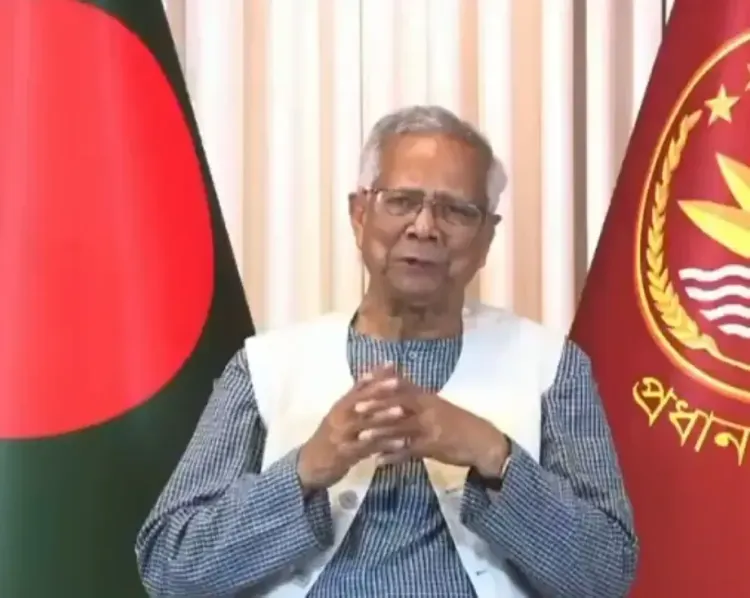
In a farewell speech, Bangladesh's interim Chief Advisor Muhammad Yunus emphasized the 'economic promise' of regional collaboration with Nepal, Bhutan, and India's northeastern states, known as the 'Seven Sisters.' His comments have sparked controversy amidst delicate diplomatic relations between Bangladesh and India.
Key Takeaways
Muhammad Yunus emphasized regional economic integration in his farewell address.
His references to India's 'Seven Sisters' have sparked controversy.
Relations between Bangladesh and India are currently strained.
Yunus's government faces criticism over law and order issues.
Experts warn of increasing unrest and extremism in Bangladesh .
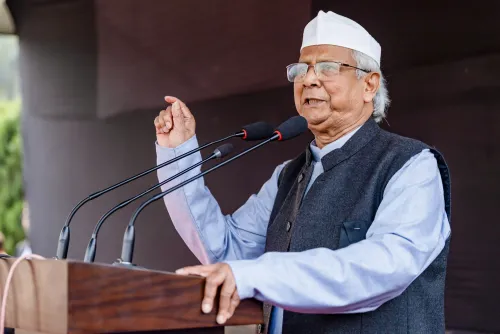
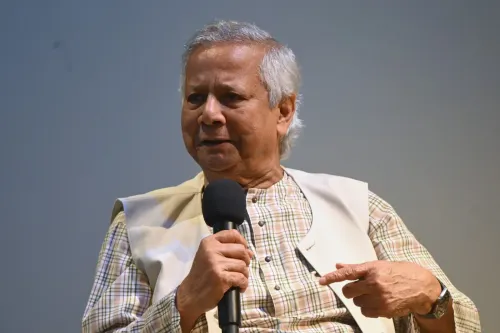
Dhaka, Feb 17 (NationPress) Bangladesh's outgoing interim government Chief Advisor Muhammad Yunus, in his farewell speech, underscored the economic potential of enhanced regional integration involving Nepal, Bhutan, and the 'Seven Sisters' — a term commonly used to denote India's northeastern states — according to local media.
His reference to this Indian region alongside independent nations has faced criticism, with observers labeling it as diplomatically inappropriate while Dhaka and New Delhi are working to stabilize bilateral relations.
In a broadcast address, Yunus stated, "Our open sea is not merely a geographical boundary but an open door to engage with the global economy for Bangladesh. This area, together with Nepal, Bhutan, and the Seven Sisters, holds tremendous economic promise."
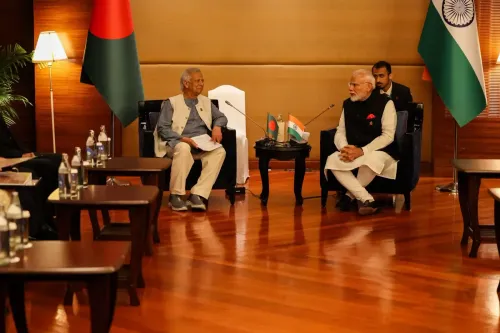
These comments emerge amidst strained relations between the two nations following the ousting of the Sheikh Hasina-led Awami League government in 2024.
Yunus's remarks have frequently ignited sensitive discussions about Indian territories, resulting in strong reactions from New Delhi.
Earlier in March 2025, during a trip to China, Yunus raised eyebrows by labeling India's northeastern states as "landlocked" and positioning Bangladesh as the region's "sole guardian of the ocean."
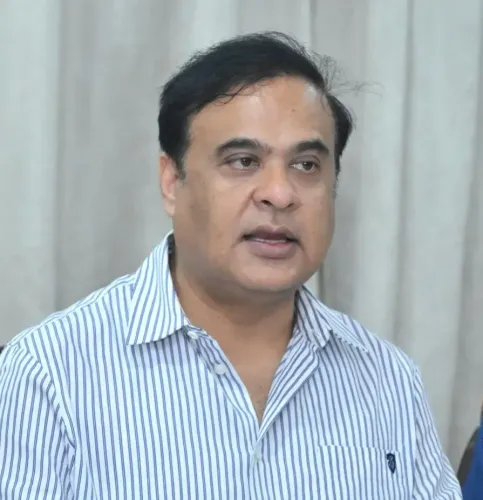
These comments were met with harsh criticism in India, including from Assam Chief Minister Himanta Biswa Sarma, who described them as "offensive and deserving of strong condemnation."
Consequently, in April 2025, India declared the cancellation of a trans-shipment arrangement that had facilitated Bangladesh's cargo exports to third countries via Indian customs, citing operational issues.
During a press conference, Ministry of External Affairs spokesperson Randhir Jaiswal explained, "The transhipment facility granted to Bangladesh had over time led to considerable congestion at our ports and airports. Logistical delays and increased costs were impeding our exports and causing backlogs. This facility has thus been revoked effective April 8, 2025. To clarify, these actions do not affect Bangladesh's exports to Nepal or Bhutan traversing Indian territory."
This decision, which followed Yunus's controversial remarks, was perceived by some analysts as indicative of rising tensions in bilateral relations.
Meanwhile, Bangladesh continues to face escalating violence, crime, mob lynching, and incidents targeting minorities and women following the July 2024 protests that resulted in the removal of the democratically elected Sheikh Hasina administration.
The Yunus-led interim government has been met with ongoing criticism regarding the worsening law and order situation and a noted increase in assaults on minorities, particularly Hindus, throughout Bangladesh.
The interim government under Yunus pledged to restore stability and uphold the rule of law. However, over a year into his tenure as Chief Advisor, the internal situation in the country remains precarious.
Experts warn that Bangladesh faces a daunting challenge in addressing ongoing unrest and combating the rise of Islamist extremism that has characterized the 18-month period of the Yunus-led interim government, particularly as the nation navigates a sensitive phase in its regional diplomacy.
Point of View
Yunus's statements, while highlighting regional economic integration, may inadvertently strain diplomatic ties at a critical juncture. Our focus should remain on fostering constructive dialogue and collaboration, ensuring that such discussions contribute positively to the relations between Bangladesh and India.
NationPress
14 Oct 2026
Frequently Asked Questions
What did Muhammad Yunus say in his farewell speech?
Yunus emphasized the economic potential of regional integration with Nepal, Bhutan, and India's northeastern states, known as the 'Seven Sisters.'
How have his remarks been received?
His comments have faced criticism for being diplomatically insensitive, especially given the current tensions between Bangladesh and India.
What was the reaction from India?
India's officials and leaders, including Assam's Chief Minister, condemned Yunus's remarks, labeling them as offensive.
What impact might this have on Bangladesh-India relations?
Yunus's comments could exacerbate existing tensions, complicating efforts to stabilize bilateral relations.
What are the key issues facing Bangladesh currently?
Bangladesh is grappling with rising violence and unrest following the removal of the Sheikh Hasina government, alongside challenges in upholding law and order.