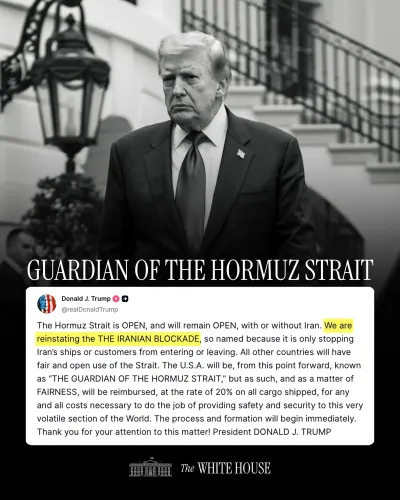
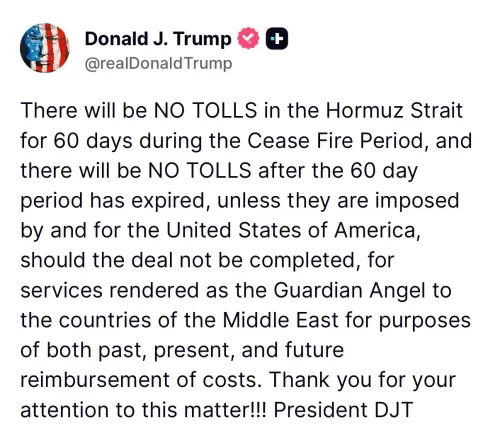
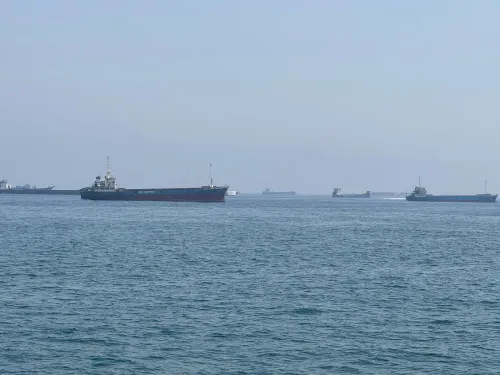
Zelensky blames Hormuz blockade for fuel prices, proposes energy ceasefire
Synopsis
Zelensky turned the diesel-price blame game on its head on Sunday, pointing to the Hormuz blockade rather than Ukraine's refinery strikes — and then Trump, without apparent coordination, declared an 'energy ceasefire' that Zelensky told Axios was 'news for me.' The episode reveals the fracture lines running through US-Ukraine relations and raises a pointed question: can a ceasefire hold when one side learns about it from a social media post?
Key Takeaways
Volodymyr Zelensky on 11 October 2026 blamed the Strait of Hormuz blockade and the Middle East conflict — not Ukraine — for rising global fuel prices.
Donald Trump had accused Ukraine's drone strikes on Russian refineries of driving up American diesel costs for 'farmers and ranchers.' Zelensky offered a mutual 'energy ceasefire' — no strikes on either side's energy infrastructure — contingent on Russia also halting attacks on Ukrainian energy assets.
Russia struck Ukraine's electricity sector 196 times and oil and gas facilities 20 times in one week, killing 153 civilians , according to Zelensky.
Trump posted on Truth Social that an energy ceasefire was 'effective immediately'; Zelensky said the announcement 'was news for me' and Moscow offered no confirmation.
Zelensky proposed a 60-day total ceasefire to allow Ukrainian elections, making the offer conditional on Putin's agreement.
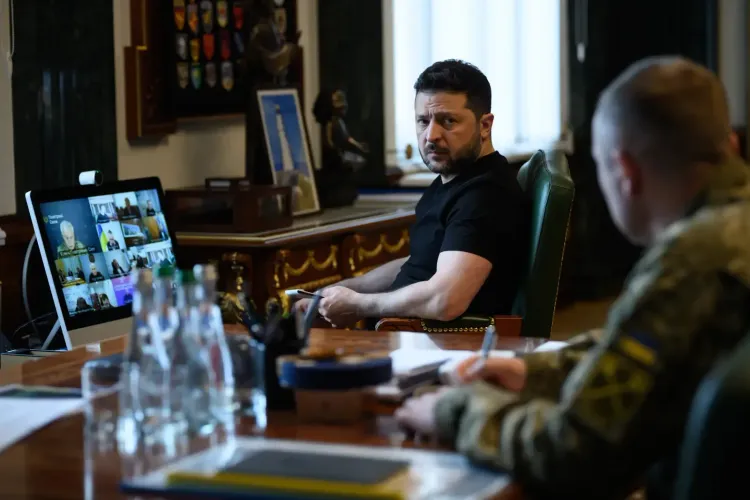
Ukrainian President Volodymyr Zelensky on Sunday, 11 October 2026, squarely attributed rising global fuel prices to the conflict in the Middle East and the blockade of the Strait of Hormuz, firmly rejecting Washington's attempts to link those costs to Ukraine. The remarks came hours before US President Donald Trump declared an 'energy ceasefire' between Kyiv and Moscow — an announcement that Zelensky himself said caught him off guard.
Zelensky Pushes Back on Fuel Price Blame
Speaking on ABC's This Week, Zelensky was pressed on why Trump and billionaire Elon Musk were holding him responsible for prolonging the war. His response was pointed: 'Because these people can't find a key how to stop Putin. Because it's more difficult to stop Putin than to pressure others. Because it's more simple to speak about the prices and connect it with Ukraine.'
Zelensky went further, directly naming the real culprits in his view: 'They're increasing because of the war in Middle East, of the blocking of Hormuz, because of these reasons. Everybody understands it.'
The exchange underscores a widening rift between Kyiv and elements of the Trump administration over the framing of the war's economic fallout, particularly as American diesel costs have become a domestic political flashpoint.
Trump's Diesel Accusation and the Energy Ceasefire
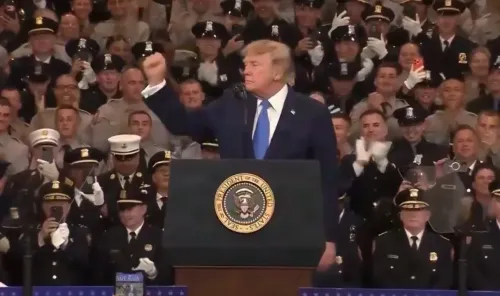
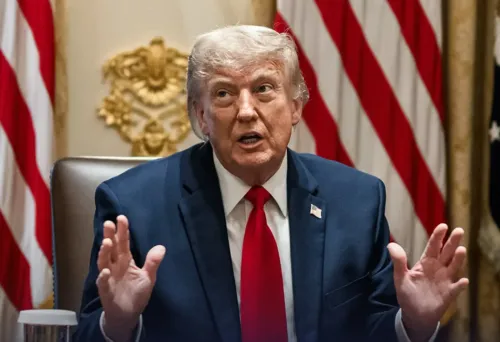
Trump had previously accused Ukraine of driving up American diesel prices through its drone strikes on Russian oil refineries. In a clip aired by CNN on Sunday, Trump said: 'He wants to make problems for our farmers, our ranchers with diesel fuel. He better damn well stop.'
In the same ABC interview, Zelensky offered a direct counter-proposal — a mutual halt to strikes on energy infrastructure. 'We are ready for energy ceasefire, not to attack energy both sides,' he said, adding: 'If the Russians want us not attack their diesel, their refineries and et cetera, we are asking President Trump, give them signal, not attack energy infrastructure of Ukraine. It's fair deal.'
He summed it up bluntly: 'Don't attack us. Don't kill our children. We will stop attack your diesel.'
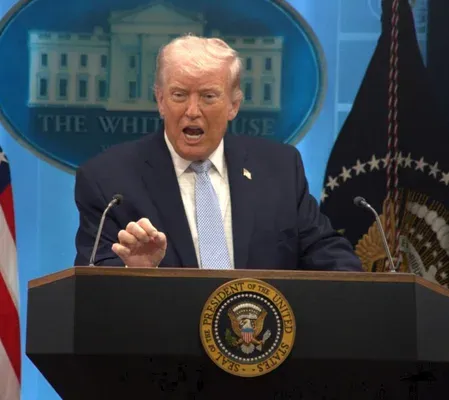
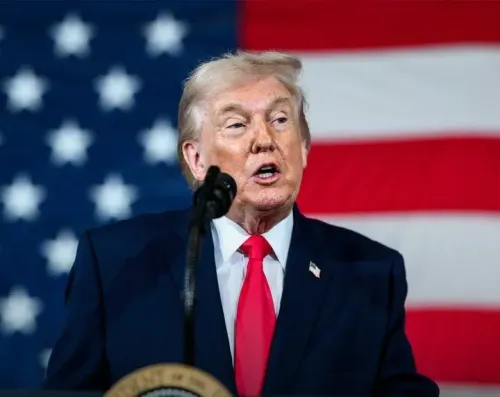
Later on Sunday, Trump posted on Truth Social: 'Effective immediately, there is an ENERGY CEASEFIRE in the War between Russia and Ukraine. Both parties have agreed.' Zelensky subsequently told Axios the announcement 'was news for me.' There was no confirmation from Moscow.
Scale of Russian Strikes on Ukrainian Infrastructure
Zelensky disclosed that Russia had struck Ukraine's electricity sector 196 times in the past week, targeted gas and oil facilities 20 times, and killed 153 civilians during that period. The figures — attributed to the Ukrainian president — paint a stark backdrop to any proposed ceasefire on energy targets, raising questions about whether a voluntary halt would hold without a formal mechanism.
This comes amid growing international pressure for a negotiated pause, with several European governments watching the energy-infrastructure dynamic closely given its knock-on effects on winter gas supply chains.
Zelensky's Election Offer to Trump
Responding to Trump's calls for a new Ukrainian president, Zelensky proposed a conditional path to elections — contingent on a full battlefield ceasefire. 'So please tell Putin, give us two months, 60 days off. Total ceasefire, 60 days, and we will organize elections,' he said on ABC.
The offer is notable: it reframes Zelensky's electoral legitimacy — long questioned by Trump allies — as a negotiating chip, making it contingent on Russia agreeing to a complete pause in hostilities. Whether Moscow responds, and how Washington processes the proposal, will shape the next phase of diplomatic manoeuvring.
Point of View
Or it is improvisational diplomacy with no verification architecture. Either scenario is alarming. Zelensky's 60-day election offer is clever — it shifts the legitimacy question back onto Putin, who now has to say no to both peace and democracy simultaneously.
NationPress
11 Oct 2026
Frequently Asked Questions
Why did Zelensky blame the Strait of Hormuz for fuel prices?
Zelensky argued that rising global fuel prices are driven by the war in the Middle East and the blockade of the Strait of Hormuz — not by Ukraine's drone strikes on Russian refineries. He made the remarks in an ABC interview on 11 October, directly rebutting claims by Trump and Elon Musk.
What is the 'energy ceasefire' that Trump announced?
On 11 October, Trump posted on Truth Social that an 'energy ceasefire' between Russia and Ukraine was 'effective immediately' and that 'both parties have agreed.' However, Zelensky told Axios the announcement 'was news for me,' and Moscow offered no public confirmation.
What did Zelensky propose regarding energy infrastructure strikes?
Zelensky offered a mutual halt: Ukraine would stop striking Russian refineries and diesel infrastructure if Russia simultaneously stopped attacking Ukraine's electricity, gas, and oil facilities. He framed it as a 'fair deal' contingent on Trump signalling Moscow to stand down.
How badly has Russia struck Ukrainian energy infrastructure recently?
According to Zelensky, Russia struck Ukraine's electricity sector 196 times and its gas and oil facilities 20 times in a single week, killing 153 civilians during that period.
What did Zelensky say about holding elections in Ukraine?
Zelensky proposed a 60-day total ceasefire as a precondition for organising elections, responding to Trump's calls for a new Ukrainian president. He asked Trump to persuade Putin to agree to a complete two-month halt in fighting before any electoral process could begin.