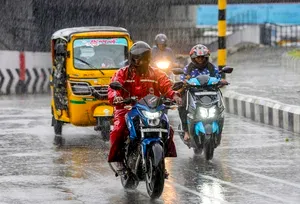
14 killed by lightning in Tamil Nadu since Northeast monsoon onset; tourists barred from Nilgiris, Kodaikanal, Yercaud
Synopsis
Tamil Nadu's Northeast monsoon has claimed 14 lives to lightning strikes since its onset, with the state now shutting tourists out of three major hill destinations — Nilgiris, Kodaikanal, and Yercaud — as heavy rain continues to batter the western districts. The figure covers only lightning deaths; the full monsoon toll may be higher.
Key Takeaways
14 people have died from lightning strikes in Tamil Nadu since the onset of the Northeast monsoon , according to Minister Sengottaiyan .
Tourists have been barred from visiting the Nilgiris , Kodaikanal , and Yercaud ; access is restricted to essential purposes only.
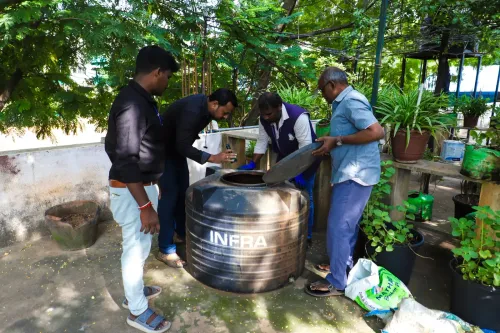
Stagnant water in Coimbatore and the Nilgiris has been cleared, helping restore normal life in affected areas.
The government has provided ₹4 lakh in financial assistance to the family of a driver killed in a Nilgiris landslide .
The 14-death figure covers only lightning fatalities and is not a comprehensive count of all rain-related deaths across the state.
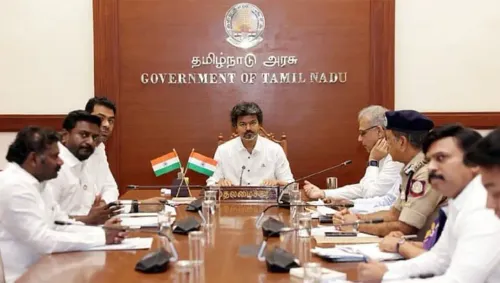
At least 14 people have died in lightning strikes across Tamil Nadu since the onset of the Northeast monsoon, state Minister Sengottaiyan confirmed on 26 October following a high-level review of heavy rainfall and rescue operations covering the Nilgiris and Coimbatore districts. The briefing was held at the Emergency Operations Centre in Chennai.
Tourist Restrictions Imposed Across Hill Stations
As a precautionary measure, authorities have barred tourists from visiting the Nilgiris, Kodaikanal, and Yercaud hill destinations. Access to these areas is now permitted only for essential purposes, the minister stated. Sengottaiyan clarified that these restrictions remain firmly in place as officials continue to respond to the ongoing heavy rainfall and its consequences in the western districts.
Flood Situation and Restoration of Normal Life
According to the minister, stagnant water that had accumulated following heavy downpours in Coimbatore and the Nilgiris has since been cleared, helping restore daily life for residents in the affected areas. The review meeting focused on assessing damage, ongoing rescue work, and measures taken to bring conditions back to normal.
Financial Aid to Landslide Victim's Family
Sengottaiyan also disclosed that financial assistance of ₹4 lakh had been extended to the family of a driver who died after being caught in a landslide in the Nilgiris. The payment was cited as part of the government's broader relief response to the monsoon's impact on affected communities.
Monsoon Death Toll: Lightning Strikes the Leading Cause
The minister was explicit that the 14 fatalities reported since the season began were exclusively caused by thunderstorm-related lightning strikes and do not represent a comprehensive count of all rain-related deaths across the state. This distinction is significant given that Tamil Nadu's Northeast monsoon season, which typically runs from October to December, historically accounts for the bulk of the state's annual rainfall and frequently triggers flooding, landslides, and lightning incidents across its western hill districts. This is the first major ministerial review of the season's impact publicly reported this year.
Authorities have indicated they are providing regular updates on the evolving rainfall situation, with restrictions on hill station tourism expected to remain until conditions improve.
Point of View
But the minister did not provide an overall count of rain-related fatalities, leaving the full picture incomplete. Tamil Nadu's western ghats districts face recurring monsoon disasters each season, and while the clearance of stagnant water signals some administrative responsiveness, the closure of three major hill tourism corridors will have immediate economic consequences for communities that depend on visitor footfall. How swiftly restrictions are lifted — and on what criteria — will test the government's ability to balance public safety with livelihood concerns.
NationPress
26 Oct 2026
Frequently Asked Questions
How many people have died in Tamil Nadu due to lightning since the Northeast monsoon began?
Fourteen people have died from lightning strikes across Tamil Nadu since the onset of the Northeast monsoon, according to Minister Sengottaiyan. This figure covers only thunderstorm-related lightning fatalities and was not presented as a total count of all rain-related deaths in the state.
Which hill stations are closed to tourists in Tamil Nadu amid heavy rain?
Tourists have been barred from visiting the Nilgiris, Kodaikanal, and Yercaud as a precautionary measure due to heavy rainfall. Access to these hill destinations is currently permitted only for essential purposes.
What relief has the Tamil Nadu government provided to monsoon-affected families?
The government has disbursed ₹4 lakh in financial assistance to the family of a driver who died after being caught in a landslide in the Nilgiris. The payment was highlighted by Minister Sengottaiyan as part of the state's broader relief response.
What is the current situation in Coimbatore and the Nilgiris after the heavy rains?
According to Minister Sengottaiyan, stagnant water that accumulated following heavy downpours in Coimbatore and the Nilgiris has been cleared, helping restore normal life for residents. However, precautionary restrictions on tourist access to hill areas remain in place.
When does the Northeast monsoon typically affect Tamil Nadu?
The Northeast monsoon, which brings the bulk of Tamil Nadu's annual rainfall, typically runs from October to December. The season frequently triggers flooding, landslides, and lightning incidents across the state's western hill districts including the Nilgiris and Coimbatore.