2008 Bengaluru bomb blast accused Abdul Khader dies of heart attack in custody
Synopsis
A suspected terrorist accused in the 2008 Bengaluru serial bomb blasts died of a heart attack on 12 June while being rushed to hospital from prison — just days before a court was poised to deliver its verdict. After 14 years in judicial custody, Abdul Khader's death means the case against him closes without a judgment, raising fresh questions about the pace of terror trials in India.
Key Takeaways
Abdul Khader , 60 , accused in the 2008 Bengaluru serial bomb blast case , died of a heart attack on 12 June .
He had been in judicial custody at Parappana Agrahara Central Prison since 2010 — over 14 years .
The court was expected to pronounce its verdict within days of his death, leaving the case legally unresolved.
The 25 July 2008 blasts involved seven coordinated IED explosions in Bengaluru, killing two people and injuring several others.
Investigators alleged the attacks were orchestrated by SIMI and Lashkar-e-Taiba (LeT) ; the NIA led the investigation and arrested dozens.
A suspected terrorist and accused in the 2008 Bengaluru serial bomb blast case, Abdul Khader, died of a heart attack on Friday, 12 June while being rushed to hospital from Parappana Agrahara Central Prison — just days before a court was set to deliver its verdict in the long-pending case. Khader, 60, had been in judicial custody since 2010 in connection with the blasts.
How Khader Died
According to prison authorities, Khader's health deteriorated suddenly on Friday morning, prompting officials to immediately arrange his transfer to Jayadeva Hospital in Bengaluru. He reportedly suffered a cardiac arrest en route and died before medical assistance could be administered.
Following his death, the body was shifted to Victoria Hospital for a post-mortem examination. His family members have been informed, prison officials said. Khader had earlier complained of health issues, which triggered the emergency response.
The 2008 Bengaluru Serial Blasts: Background
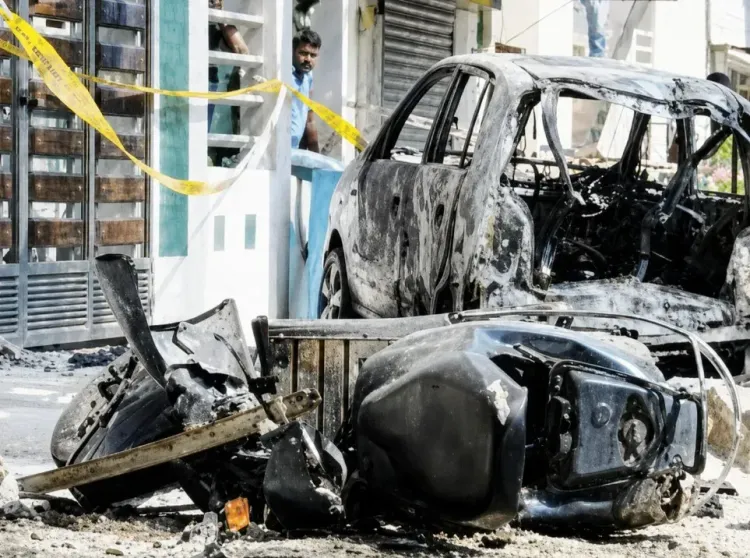
On 25 July 2008, seven coordinated low-intensity improvised explosive device (IED) explosions rocked Bengaluru within a 30-minute window. One of the primary blast sites was the Madiwala police checkpost bus stand on Hosur Road, where a woman was among those killed. In total, the attacks claimed two lives and injured several others. The injured were treated at nearby St. John's Hospital.
Investigators subsequently determined the bombings were allegedly orchestrated by the banned extremist outfit SIMI (Students Islamic Movement of India) and Lashkar-e-Taiba (LeT). The Karnataka Police and the National Investigation Agency (NIA) registered multiple FIRs and arrested dozens of suspects over the years. Several alleged handlers based in Pakistan were also identified during the course of the investigation.
Khader's Arrest and Trial
A native of Virajpet in Madikeri district, Karnataka, Khader was arrested by the NIA as part of its investigation into the 2008 explosions. He had remained in judicial custody at Parappana Agrahara Central Prison for over 14 years. The trial had reached its final stages, with the court expected to pronounce its verdict within days of his death.
Notably, his death before the delivery of judgment means the legal proceedings against him will abate — a procedural outcome that leaves his case formally unresolved after more than a decade and a half of litigation.
Broader Significance
The 2008 Bengaluru blasts remain one of the most significant urban terror incidents in Karnataka's history, prompting a sweeping overhaul of the city's security architecture. This is not the first time the protracted nature of the trial has drawn attention — the case has been pending for nearly 17 years, underscoring persistent concerns about the pace of terror-related prosecutions in India. With Khader's death, at least one chapter of the case closes without a judicial verdict.
Point of View
Secured arrests, and built a case across multiple FIRs, yet the trial outlasted the accused. That timeline is not an aberration; it is a pattern that erodes both deterrence and the credibility of the justice process for victims' families who have waited since 2008 for a verdict.
NationPress
15 Sept 2026
Frequently Asked Questions
Who was Abdul Khader and what was he accused of?
Abdul Khader was a 60-year-old resident of Virajpet in Madikeri district, Karnataka, accused of involvement in the 2008 Bengaluru serial bomb blast case. He was arrested by the NIA and had been held in judicial custody at Parappana Agrahara Central Prison since 2010.
How did Abdul Khader die?
Khader suffered a heart attack on 12 June while being rushed from Parappana Agrahara Central Prison to Jayadeva Hospital after his health suddenly deteriorated. He died before medical assistance could be provided, and his body was subsequently sent to Victoria Hospital for post-mortem.
What were the 2008 Bengaluru serial bomb blasts?
On 25 July 2008, seven coordinated low-intensity IED explosions struck Bengaluru within a 30-minute window, including a fatal blast at the Madiwala police checkpost bus stand on Hosur Road. The attacks killed two people and injured several others; investigators alleged they were orchestrated by SIMI and Lashkar-e-Taiba.
What happens to the court case now that Khader has died?
Under Indian criminal law, proceedings against an accused abate upon their death, meaning the case against Khader will be formally closed without a verdict. The trial had been in its final stages, with a court judgment expected within days of his death.
Who investigated the 2008 Bengaluru blasts?
The Karnataka Police and the National Investigation Agency (NIA) jointly investigated the blasts, registering multiple FIRs and arresting dozens of suspects over the years. Several alleged handlers based in Pakistan were also identified during the investigation.