Tungabhadra Dam: Karnataka, AP, Telangana seal historic 3-state water pact
Synopsis
Three southern states — Karnataka, Andhra Pradesh, and Telangana — have struck a rare consensus on the Tungabhadra basin, agreeing to save 33 TMC of water, build a parallel reservoir, and undertake de-silting. The pact, brokered under Union Jal Shakti Minister C.R. Patil, follows last year's gate-collapse crisis and represents an unusually cooperative chapter in India's often-contentious interstate water politics.
Key Takeaways
Karnataka , Andhra Pradesh , and Telangana reached a trilateral water-sharing consensus on 25 June over the Tungabhadra river basin .
The agreement was brokered under Union Jal Shakti Minister C.R.
Patil , who will formally announce full details.
Key proposals include saving 33 TMC of water, building the Navali parallel reservoir , and undertaking de-silting works.
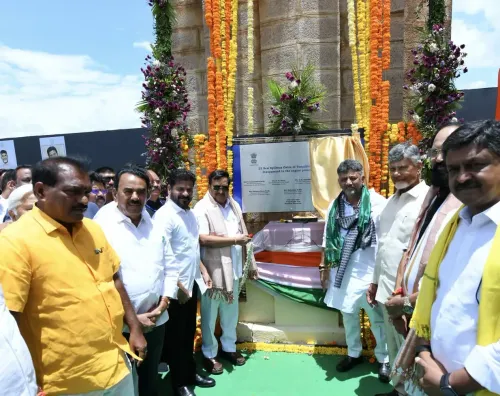
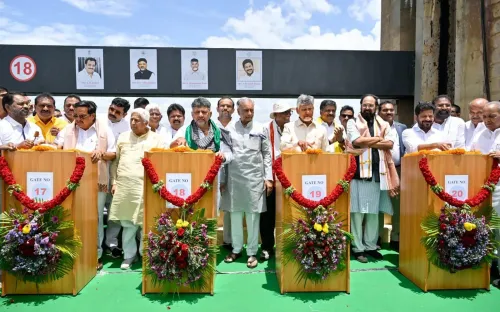
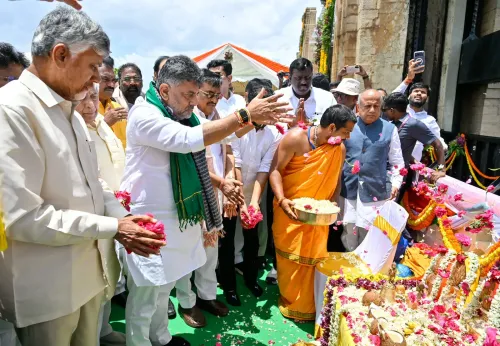
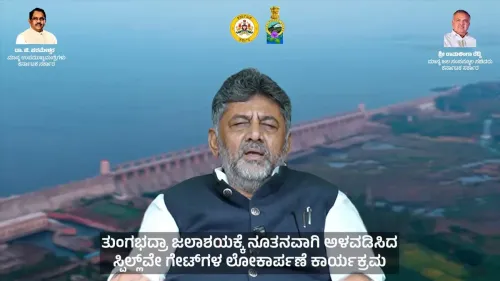
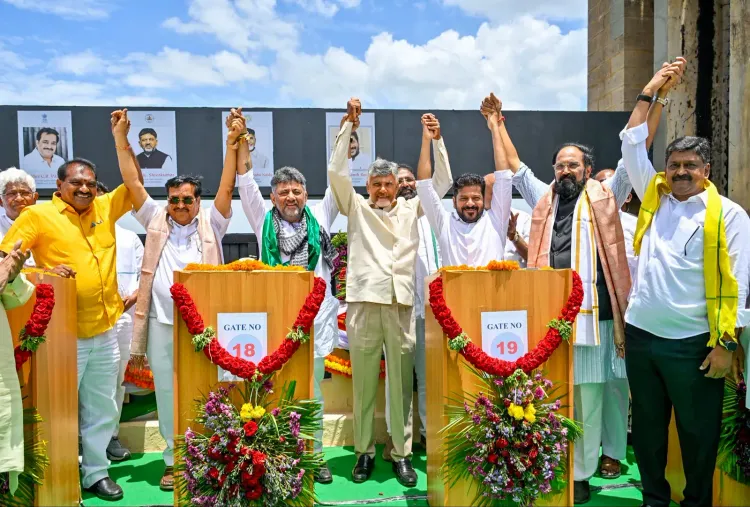
Shivakumar inaugurated 33 newly-installed spillway gates at the Tungabhadra Reservoir in Koppal district .
The overhaul follows last year's washing away of the dam's 19th gate , which triggered an emergency response within a week.
The Tungabhadra project was first proposed in 1860 and construction began in 1949 , making it one of southern India's oldest major irrigation assets.
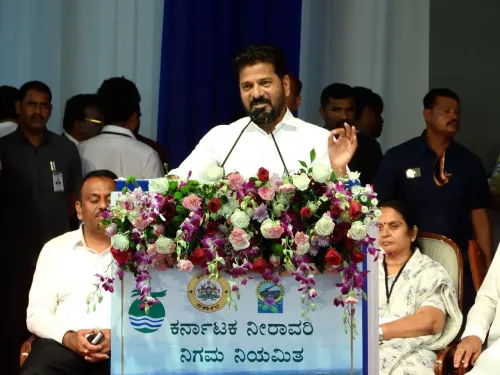
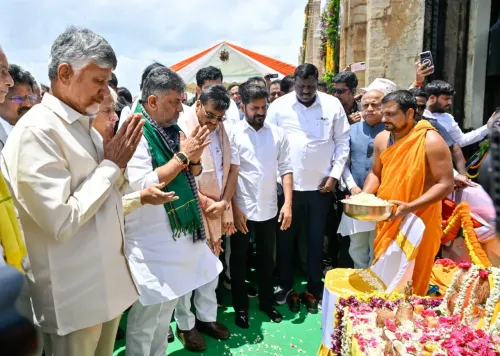
Karnataka Chief Minister D.K. Shivakumar on 25 June called the trilateral agreement among Karnataka, Andhra Pradesh, and Telangana a 'historic consensus decision' to protect farmers dependent on the Tungabhadra river basin. The announcement came at Munirabad in Koppal district, where Shivakumar inaugurated 33 newly-installed spillway gates at the Tungabhadra Reservoir.
What the Three States Agreed To
The chief ministers of the three states, convened under the leadership of Union Jal Shakti Minister C.R. Patil, reached a consensus after discussions lasting more than an hour. Key proposals on the table included saving 33 TMC of water in the reservoir, constructing the Navali parallel reservoir, and undertaking de-silting works. Shivakumar said Union Minister Patil would formally announce the full details of the agreement.
The Crisis That Triggered the Overhaul
The dam's urgent need for repair was exposed last year when the reservoir's 19th spillway gate was washed away. Shivakumar recounted that district in-charge minister Shivaraj Tangadagi and officials alerted him at midnight over fears the dam itself was at risk. He visited the site the following morning, consulted experts, and the damaged gate was replaced within a week. Despite opposition criticism over the incident, the state government subsequently decided to replace all 33 spillway gates to strengthen the dam's safety and operational efficiency.
Historical Significance of the Tungabhadra Project
Shivakumar traced the dam's origins to 1860, when British engineer Sir Arthur Cotton first proposed a reservoir on the river. Construction began in 1949, and the project has since become one of the most significant irrigation assets in southern India. The Chief Minister described the region as a 'rice bowl' whose protection remains the government's highest priority.
What Comes Next
With the formal details of the interstate agreement yet to be announced by Union Minister Patil, implementation timelines for the Navali parallel reservoir and de-silting works remain to be disclosed. Shivakumar expressed confidence that the pact would be remembered as a milestone in India's irrigation and federal governance history, adding that the slogan 'Our Water, Our Right' now carries the collective weight of three state governments.
Point of View
If still unproven. The political optics are convenient: three Congress-aligned or Congress-friendly state governments uniting under a BJP Union minister gives the deal cross-party legitimacy that is rare. But the hard details — timelines, funding splits, and an enforcement mechanism for the 33 TMC target — have been deferred to a future announcement, which is precisely where such pacts historically unravel. The Navali parallel reservoir proposal is not new; its reappearance here without a construction date should be watched closely.
NationPress
24 Sept 2026
Frequently Asked Questions
What is the Tungabhadra 3-state water agreement?
It is a trilateral consensus reached on 25 June by Karnataka, Andhra Pradesh, and Telangana to jointly protect the Tungabhadra river basin and the farming communities that depend on it. Key elements include saving 33 TMC of water, constructing the Navali parallel reservoir, and undertaking de-silting of the existing reservoir.
Why was the Tungabhadra Dam in the news last year?
The dam's 19th spillway gate was washed away last year, triggering a midnight alert to Karnataka CM D.K. Shivakumar over fears of a larger structural threat. The damaged gate was replaced within a week, after which the state decided to replace all 33 spillway gates — a process completed and inaugurated on 25 June.
Who brokered the interstate water pact?
Union Jal Shakti Minister C.R. Patil convened and led the discussions among the three state chief ministers. Shivakumar said Patil will formally announce the full details of the agreement.
What is the Navali parallel reservoir?
The Navali parallel reservoir is a proposed supplementary storage facility to augment the Tungabhadra Reservoir's capacity. It was among the proposals discussed at the trilateral meeting, though construction timelines have not yet been announced.
How old is the Tungabhadra Dam project?
The concept of a reservoir on the Tungabhadra river was first proposed in 1860 by British engineer Sir Arthur Cotton. Construction of the dam began in 1949, and it has since become one of the most significant irrigation infrastructure assets in southern India.