3,190 Health Department posts vacant in Kashmir Valley, 2,744 paramedic gaps
Synopsis
The J&K Assembly has been told that 3,190 posts — including 2,744 paramedic roles — are vacant in Kashmir Valley's Health Department, against a sanctioned strength of 11,649. With no recruitment plan announced and a recent intern strike already straining services, the region's public health system is running at roughly 73% capacity.
Key Takeaways
3,190 posts are vacant in the Kashmir Valley Health Department as of 30 September , out of a sanctioned strength of 11,649 .
The largest gap is in paramedics: 2,744 paramedic posts are unfilled, alongside 276 Medical Officers , 152 Consultants , and 18 Senior Consultants .
The figure is separate from 12,614 total vacant medical and paramedical posts across all of Jammu and Kashmir .
The government said no engagement mechanism through the Health Development Fund is currently under consideration.
A recent medical intern strike over stagnant pay — unchanged since 2019 — further disrupted services before the government conceded to their demands.
J&K is expanding eSanjeevani telemedicine as a stopgap, but no concrete recruitment timeline has been announced.
A total of 3,190 posts are lying vacant in the Health Department across the Kashmir Valley, the Jammu and Kashmir Legislative Assembly was informed on Wednesday, 30 September. The disclosure, made in response to a question by MLA Hasnain Masoodi, lays bare a structural manpower crisis in one of the region's most critical public services.
Scale of the Vacancies
According to the Health and Medical Education Department, the Directorate of Health Services Kashmir carries a sanctioned strength of 11,649 posts, against which only 8,459 personnel are currently in position — leaving a shortfall of roughly 27%. The bulk of the gap falls in the paramedical category, with 2,744 paramedic posts unfilled. Beyond that, 276 Medical Officers, 152 Consultants, and 18 Senior Consultants posts remain vacant.
No Immediate Recruitment Plan in Sight
The government told the Assembly that no mechanism for engagement through the Health Development Fund is currently under consideration to address the shortage. It added that if such a proposal is taken up in future, it would be examined on its merits — a response critics may view as non-committal given the scale of the deficit. Notably, the 3,190 figure is separate from a broader count of 12,614 vacant medical and paramedical posts across all of Jammu and Kashmir, suggesting the crisis is especially acute in Kashmir's government health infrastructure.
How the Government Plans to Cope
With Jammu and Kashmir home to around 4,000 health institutions, the administration says it is focusing on three parallel strategies: strengthening existing facilities as per Indian Public Health Standards, rationalising available manpower, and expanding telemedicine services through the eSanjeevani hub-and-spoke model. However, experts argue that telemedicine cannot substitute for the physical presence of trained paramedics and doctors in under-served areas.
Intern Strike Added to the Strain
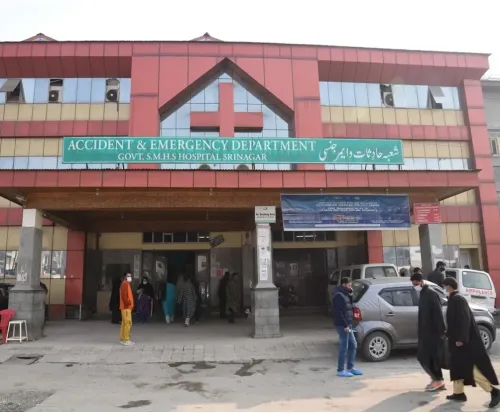
The vacancy crisis has been compounded by a recent protest strike by medical interns, who had been carrying a disproportionate share of frontline duties — including outpatient departments, operation theatres, emergency wards, and general patient care. The interns stated that their monthly remuneration had remained stagnant since 2019 and had not kept pace with the rising cost of living. The government ultimately agreed to their demands, and the interns returned to duty, reportedly normalising healthcare services across the region.
What This Means for Patients
A 27% vacancy rate in a public health system serving a population in a geographically challenging region translates directly into longer wait times, overburdened staff, and reduced access to specialist care. The paramedic shortfall — the largest single category of vacancies — is particularly consequential, as paramedics form the backbone of primary and emergency healthcare delivery. With no concrete recruitment timeline announced, the burden on existing personnel is unlikely to ease in the near term.
Point of View
That any Health Development Fund proposal will be 'examined on its merits' if raised in future, is strikingly passive for a department running 3,190 posts short. What mainstream coverage tends to underplay is the compounding effect: paramedics, who account for 86% of the vacancies, are the primary interface between citizens and the health system in rural and semi-urban Kashmir. Telemedicine through eSanjeevani is a useful supplement, not a replacement for boots on the ground. The intern strike, meanwhile, exposed how heavily the system leans on its most junior and lowest-paid members — a structural dependency that the pay freeze since 2019 made untenable.
NationPress
30 Sept 2026
Frequently Asked Questions
How many posts are vacant in the Kashmir Valley Health Department?
A total of 3,190 posts are vacant in the Kashmir Valley Health Department, as disclosed to the J&K Legislative Assembly on 30 September. Of these, 2,744 are paramedic posts, with the remainder comprising Medical Officers, Consultants, and Senior Consultants.
What is the total sanctioned strength of the Directorate of Health Services Kashmir?
The Directorate of Health Services Kashmir has a sanctioned strength of 11,649 posts, against which only 8,459 personnel are currently in position — a shortfall of approximately 27%.
Is the government planning to fill these vacancies soon?
As of 30 September, the government told the Assembly that no mechanism for engagement through the Health Development Fund is currently under consideration. It said any future proposal would be examined on its merits, without providing a concrete recruitment timeline.
How does the Kashmir figure relate to the broader J&K vacancy count?
The 3,190 vacancies in Kashmir Valley are separate from the broader figure of 12,614 vacant medical and paramedical posts across all of Jammu and Kashmir, indicating the shortage is particularly severe in Kashmir's government health services.
What was the medical intern strike about, and has it been resolved?
Medical interns went on strike because their monthly remuneration had remained stagnant since 2019, despite a rising cost of living. The government agreed to their demands, and the interns returned to duty, reportedly normalising healthcare services across J&K.