CM Dhami launches ₹5 crore ropeway at Surkanda Devi temple

Synopsis
Uttarakhand CM Pushkar Singh Dhami inaugurated a ₹5 crore ropeway at the Siddhpeeth Maa Surkanda Devi temple in Tehri district, making the high-altitude shrine significantly more accessible to elderly devotees, women, and children while boosting pilgrim footfall.
Key Takeaways
A ₹5 crore ropeway has been launched at the Siddhpeeth Maa Surkanda Devi temple in Tehri district, Uttarakhand .
The service specifically targets accessibility for elderly pilgrims, women, and children who previously faced a steep trek.
CM Pushkar Singh Dhami announced the launch on September 24, 2026, noting a 'notable increase' in pilgrim footfall since the ropeway opened.
Surkanda Devi is one of Uttarakhand's most prominent Shakti Siddhpeeth shrines, drawing large crowds particularly during Navratri.
The project fits into Uttarakhand's broader strategy of using ropeway connectivity to grow religious tourism and reduce terrain-related access barriers.
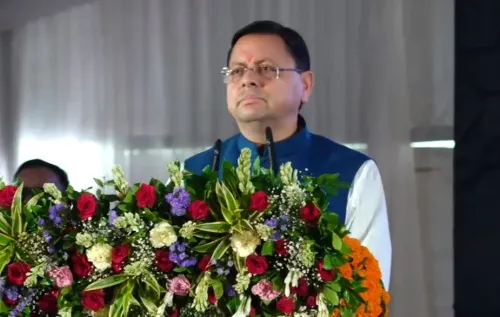
A steep Himalayan climb just got a little easier for thousands of devotees. Uttarakhand Chief Minister Pushkar Singh Dhami on Thursday, September 24 announced the inauguration of a ropeway service at the revered Siddhpeeth Maa Surkanda Devi temple in Tehri district, built at a cost of ₹5 crore to make the high-altitude shrine accessible to elderly pilgrims, women, and children.
Posting on X, CM Dhami wrote: 'Tehri janapad mein sthit Siddhpeeth Maa Surkanda Devi mandir mein shraddhaaluon ki suvidha ke liye ₹5 crore ki laagat se ropeway seva shuru ki gayi hai.' ('A ropeway service has been launched at the Siddhpeeth Maa Surkanda Devi temple in Tehri district at a cost of ₹5 crore for the convenience of devotees.') He further noted that the launch has already triggered a 'notable increase' in footfall at the temple.
Why Surkanda Devi matters to Uttarakhand's pilgrimage circuit
Perched at roughly 2,757 metres in the Tehri Garhwal hills, the Surkanda Devi temple is one of Uttarakhand's most venerated Shakti shrines, drawing large crowds especially during the Navratri festivals. For most of its history, reaching the sanctum meant a stiff uphill trek — manageable for the young and fit, but a genuine barrier for older pilgrims and families with small children. The ropeway bridges that gap in minutes.
Uttarakhand's wider ropeway push in the Himalayas
The Surkanda Devi project is not an isolated gesture. Uttarakhand has been systematically expanding ropeway and aerial-tramway connectivity across its high-altitude temple corridors and tourist sites — a strategy that tackles two challenges at once: the physical inaccessibility of Himalayan terrain and the need to grow religious tourism as a revenue stream for the state. Projects linking pilgrims to shrines at altitude have become a signature infrastructure play for the state government under CM Dhami.
The ₹5 crore investment at Surkanda Devi is a relatively modest outlay by infrastructure standards, but its social dividend is pointed: it gives elderly devotees and young families a dignified, physically viable route to a shrine many had simply given up attempting. That the footfall has already risen — by CM Dhami's account — suggests demand was suppressed, not absent.
What the footfall surge signals for Tehri's economy
Increased pilgrim numbers at a shrine this prominent feed directly into the local economy of Tehri district — from tea stalls and prasad vendors at the base to guesthouses in nearby towns. Religious tourism is among Uttarakhand's top economic drivers, and improving last-mile connectivity to key shrines is one of the most direct levers the state government can pull. Tourism officials and district administrators will be watching whether the Surkanda Devi ropeway sets a replicable template for similar sites across the state.
For a state that wears its Himalayan heritage on its sleeve, the message is straightforward: geography should not be a tax on devotion.
Point of View
The Dhami government is effectively monetising devotion while earning political goodwill among pilgrimage communities — a constituency that cuts across caste and class lines. The model, if replicated at other altitude shrines, could meaningfully shift Uttarakhand's religious-tourism revenue curve. The real test will be whether maintenance commitments match inauguration energy.
NationPress
24 Sept 2026
Frequently Asked Questions
Where is the Surkanda Devi temple located?
The Siddhpeeth Maa Surkanda Devi temple is located in Tehri Garhwal district of Uttarakhand, perched at an altitude of roughly 2,757 metres in the Himalayas. It is one of the most revered Shakti shrines in the state.
How much did the Surkanda Devi ropeway cost?
According to CM Pushkar Singh Dhami's announcement, the ropeway service at Surkanda Devi temple was built at a cost of ₹5 crore .
Who will benefit from the Surkanda Devi ropeway?
The ropeway is designed primarily for elderly pilgrims, women, and children who previously had to undertake a steep uphill trek to reach the temple. CM Dhami noted it has already led to a notable increase in pilgrim numbers.
Is Uttarakhand building more ropeways at temples?
Yes. Uttarakhand has been expanding ropeway and aerial connectivity across its high-altitude religious sites as part of a broader infrastructure strategy to improve pilgrim access and boost religious tourism. Surkanda Devi is among the recent additions to this network.
When was the Surkanda Devi ropeway inaugurated?
CM Pushkar Singh Dhami announced and highlighted the launch of the Surkanda Devi ropeway on September 24, 2026 via a post on X.