Ahmedabad Rath Yatra 2025: 53 medical cases reported at 149th procession
Synopsis
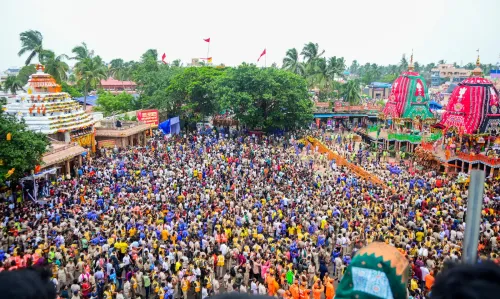
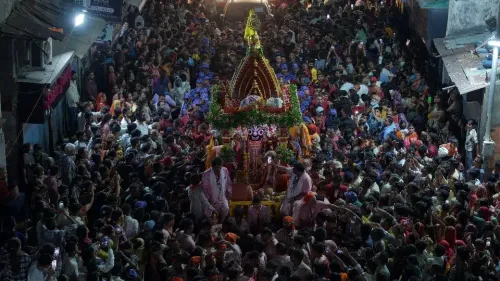
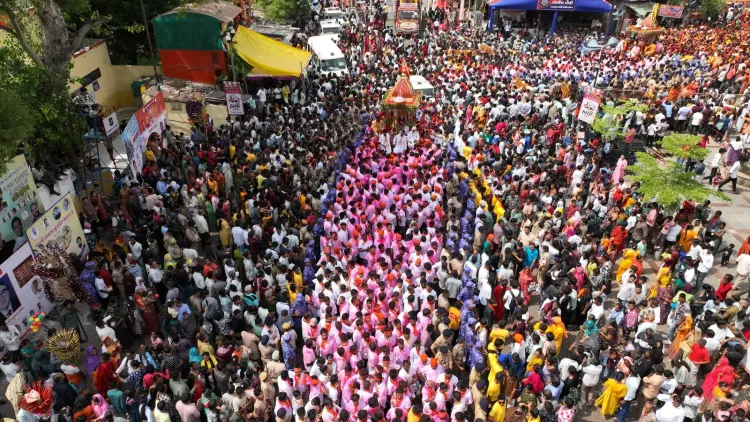
Ahmedabad's 149th Jagannath Rath Yatra drew lakhs of devotees on 16 July — and 53 medical emergencies, with fainting topping the list. Behind the spectacle was a vast operational machinery: 31,000-plus police, AI surveillance, drones, and EMRI 108 teams stationed across a 16-km route, underscoring the logistical scale of India's second-largest Rath Yatra.
Key Takeaways
53 medical cases were attended to by EMRI 108 teams during the 149th Jagannath Rath Yatra in Ahmedabad on 16 July .
Fainting was the most common emergency, accounting for 18 of the 53 cases .
Other incidents included 5 falls , 5 breathing complaints , 4 road accidents , and 3 convulsions .
The procession began at Shree Jagannathji Mandir, Jamalpur , and covered a 16-km route through Ahmedabad.
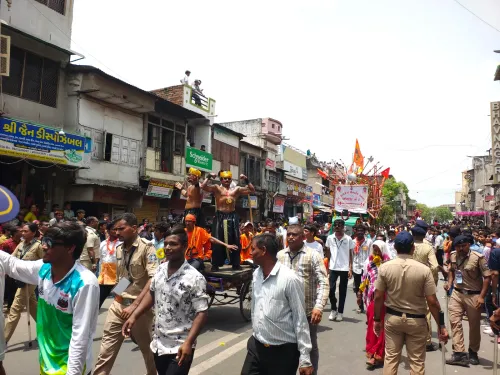
More than 31,000 police personnel were deployed, backed by AI surveillance, drones, and facial recognition systems.
The Ahmedabad yatra is considered the second-largest Jagannath Rath Yatra in India after Puri .
Emergency medical teams attended to 53 cases during Ahmedabad's 149th Jagannath Rath Yatra on Thursday, 16 July, with fainting emerging as the single largest category of medical emergencies along the 16-km procession route. The figures, released by EMRI 108, reflect the scale of on-ground health management required for one of India's largest religious processions.
Breakdown of Medical Emergencies
Of the 53 incidents attended to, 18 were fainting cases — the highest across all categories. The remaining cases included seven requiring first aid, five falls, five breathing-related complaints, four road traffic accidents, three convulsions, two cases each of abdominal pain, vomiting, and headache, and one case each of dehydration, blood pressure-related illness, and chest pain. Patients needing further care were shifted to nearby hospitals after receiving initial treatment at the scene.
Why Fainting Cases Spiked
The concentration of fainting incidents is consistent with conditions along the route — large crowds, extended outdoor exposure, and the physical demands of participating in a multi-hour procession through Ahmedabad in July. Medical teams remained stationed at strategic points throughout the day, coordinating with police, hospitals, and civic authorities to ensure a rapid response.
Scale and Significance of the Yatra
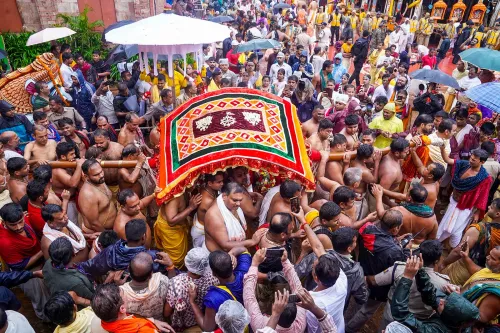
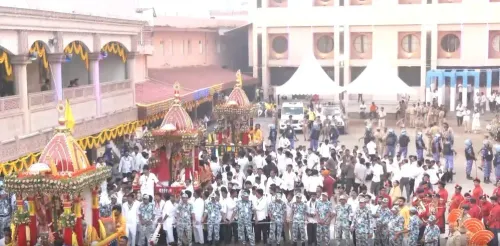
The 149th Jagannath Rath Yatra began from the historic Shree Jagannathji Mandir in Jamalpur following traditional ceremonies including the 'Pahind Vidhi'. The procession carrying the idols of Lord Jagannath, Lord Balabhadra, and Devi Subhadra travelled its customary route through the city, passing key landmarks including Saraspur, before returning to the temple. Regarded as the second-largest Jagannath Rath Yatra in India after the one held in Puri, the event draws lakhs of devotees from across Gujarat and beyond.
Security and Emergency Infrastructure
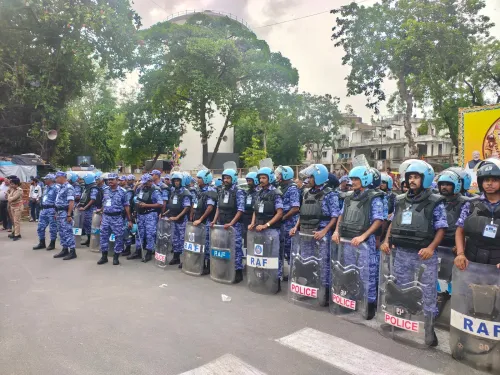
Authorities deployed a multi-layered security apparatus for the yatra, comprising more than 31,000 police personnel supported by AI-enabled surveillance, drones, facial recognition systems, CCTV cameras, and an integrated command and control centre. Emergency medical services, fire personnel, and civic teams were stationed along the entire 16-km route to facilitate swift response and ensure the smooth conduct of the procession.
Medical monitoring continued through the day, with teams on standby as the procession completed its circuit and devotees dispersed.
Point of View
Weather-driven pattern that authorities appear to have anticipated. What deserves scrutiny is whether the surge in crowd size year-on-year is being matched by proportional increases in medical staffing, not just security headcount. A 31,000-strong police deployment is impressive; the EMRI 108 case count suggests the medical infrastructure, while functional, is operating at capacity.
NationPress
15 Oct 2026
Frequently Asked Questions
How many medical cases were reported at the Ahmedabad Rath Yatra 2025?
A total of 53 medical cases were attended to by EMRI 108 emergency teams during Ahmedabad's 149th Jagannath Rath Yatra on 16 July. Fainting was the most common complaint, accounting for 18 of the 53 incidents.
What types of medical emergencies occurred at the Rath Yatra?
The 53 cases included 18 fainting incidents, 7 first-aid cases, 5 falls, 5 breathing problems, 4 road traffic accidents, 3 convulsions, and individual cases of dehydration, chest pain, and blood pressure-related illness.
What is the 149th Jagannath Rath Yatra in Ahmedabad?
It is the annual religious procession of Lord Jagannath held in Ahmedabad, Gujarat, considered the second-largest Rath Yatra in India after the one in Puri, Odisha. The procession carries the idols of Lord Jagannath, Lord Balabhadra, and Devi Subhadra along a 16-km route through the city.
How many police were deployed for the Ahmedabad Rath Yatra 2025?
More than 31,000 police personnel were deployed along the 16-km route, supported by AI-enabled surveillance, drones, facial recognition systems, CCTV cameras, and an integrated command and control centre.
Where does the Ahmedabad Rath Yatra procession start?
The procession begins at the historic Shree Jagannathji Mandir in Jamalpur, Ahmedabad, following traditional ceremonies including the 'Pahind Vidhi', and travels through key locations including Saraspur before returning to the temple.