Gujarat dolphin survey 2025: Over 680 spotted along 4,087 sq km coastline
Synopsis
Gujarat's 2025 coastal survey has counted more than 680 dolphins across 4,087 sq km of marine waters — with nearly 500 concentrated inside India's first Marine National Park in the Gulf of Kutch. The numbers offer a rare, concrete data point on the health of one of India's most ecologically significant coastlines.
Key Takeaways
Gujarat's 2025 marine survey documented over 680 dolphins across 4,087 sq km of coastal waters.
498 dolphins were recorded within the Gulf of Kutch Marine National Park — the 1,384 sq km stretch from Okha to Navlakhi .
An additional 168 were sighted in the northern Gulf of Kutch, 10 in Bhavnagar , and 4 in Morbi .
Two species are present: the Indo-Pacific humpback dolphin and the bottlenose dolphin .
Hunting or injuring dolphins is a non-bailable offence under Indian wildlife protection laws.
Coastal zones of Shivrajpur and Positra identified as prime dolphin-sighting and eco-tourism locations.
A state-wide marine survey conducted across 4,087 sq km of Gujarat's coastal waters in 2025 has documented more than 680 dolphins, with the highest concentration recorded inside India's first Marine National Park in the Gulf of Kutch. State authorities have described the findings as evidence of growing success in marine biodiversity conservation.
Key Survey Findings
Forest and Environment Minister Arjun Modhwadia said the assessment recorded 498 dolphins within the 1,384 sq km stretch of the Marine National Park and Marine Sanctuary running from Okha to Navlakhi — the single largest concentration in the survey. An additional 168 dolphins were observed in the northern Gulf of Kutch under the Kutch circle, while 10 were counted in Bhavnagar's 494 sq km coastal belt and four in Morbi's 388 sq km area.
The coastal zones of Shivrajpur and Positra were identified as among the most reliable locations for dolphin sightings, attributed to clearer waters and relatively undisturbed marine conditions — factors that also make them significant draws for wildlife-based tourism.
Conservation Framework Behind the Numbers
Minister Modhwadia credited the results to sustained conservation work carried out under Chief Minister Bhupendra Patel and coordinated efforts by the state's Forest Department. 'The figures reflect sustained conservation work carried out under the guidance of Chief Minister Bhupendra Patel and coordinated efforts by the Forest Department to protect marine ecosystems and strengthen habitats for aquatic species,' he said.
He noted that conservation measures over the past 12 years have included habitat protection, mangrove restoration, and stricter enforcement of laws against illegal fishing in ecologically sensitive zones. Fishing communities from Kutch to Bhavnagar were also acknowledged for supporting conservation efforts and avoiding harm to dolphins during fishing activities.
Species Profile and Ecological Role
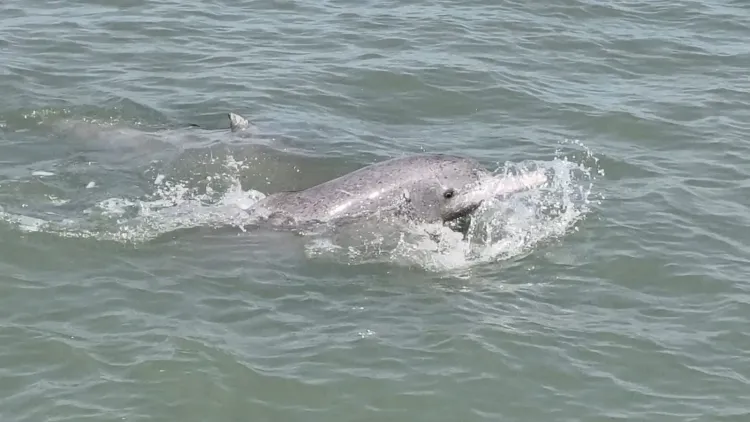
Two primary dolphin species inhabit Gujarat's waters: the Indo-Pacific humpback dolphin and the bottlenose dolphin. The humpback dolphin — more commonly encountered in the Arabian Sea — is distinguished by its prominent dorsal hump and elongated fin, and typically measures between 2.5 and 3.2 metres, weighing between 150 and 250 kilograms. Their diet consists mainly of fish, prawns, and crabs, which accounts for their frequent presence near river mouths and shallow coastal zones.
Officials emphasised that dolphins function as apex marine mammals and serve as reliable indicators of overall marine ecosystem health. 'Hunting or injuring dolphins is a non-bailable offence under wildlife protection laws, as the species is listed among vulnerable marine animals requiring strict safeguards,' Minister Modhwadia said.
Broader Significance for Marine Biodiversity
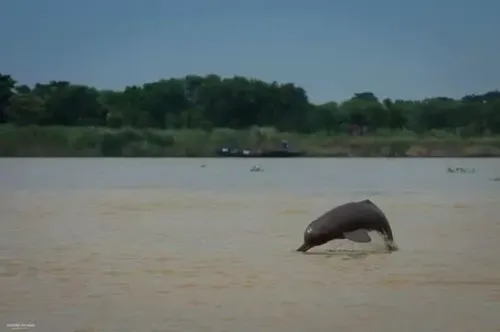
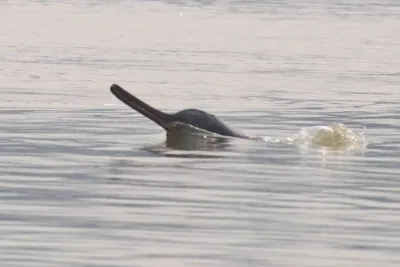
The survey results add to Gujarat's growing profile as a destination for eco-tourism and marine wildlife observation. Notably, India declared the Ganges dolphin its national aquatic animal in 2009, underscoring the country's long-standing policy emphasis on aquatic species protection. The increasing visibility of dolphins along the Kutch-Bhavnagar coastline is being read by authorities as an encouraging indicator of ecological stability in the region.
With protected zones now yielding measurable population data, the next phase of conservation work is expected to focus on expanding monitoring coverage and reinforcing eco-tourism infrastructure along Gujarat's marine corridor.
Point of View
And the survey report as presented does not detail survey technique, error margins, or independent verification — gaps that matter when the findings are being used to validate 12 years of conservation policy. That said, the geographic distribution data is specific enough to be useful: concentrating nearly 500 animals within the Marine National Park boundary suggests the protected-zone model is working better than unprotected stretches. The more pointed question is whether Gujarat's mangrove restoration and illegal-fishing enforcement have actually expanded in scale, or whether the dolphin numbers reflect natural population cycles. Eco-tourism framing is fine, but it should not substitute for a peer-reviewed population assessment.
NationPress
19 Sept 2026
Frequently Asked Questions
How many dolphins were recorded in Gujarat's 2025 marine survey?
The 2025 survey documented more than 680 dolphins across 4,087 sq km of Gujarat's coastal waters. The highest concentration — 498 dolphins — was found within the Gulf of Kutch Marine National Park, spanning the Okha to Navlakhi stretch.
Where are dolphins most commonly sighted along the Gujarat coast?
The Gulf of Kutch Marine National Park, covering 1,384 sq km from Okha to Navlakhi, holds the largest dolphin population in the state. The coastal zones of Shivrajpur and Positra are also identified as reliable sighting locations due to clearer, less-disturbed waters.
Which dolphin species are found in Gujarat's coastal waters?
Two species are present: the Indo-Pacific humpback dolphin and the bottlenose dolphin. The humpback dolphin is more commonly seen in the Arabian Sea and measures between 2.5 and 3.2 metres, weighing between 150 and 250 kilograms.
Is it legal to hunt or harm dolphins in India?
No. Hunting or injuring dolphins is a non-bailable offence under Indian wildlife protection laws, as dolphins are listed among vulnerable marine animals requiring strict legal safeguards.
Why do dolphins matter for marine ecosystem health?
Dolphins are apex marine mammals that help maintain balance within the food chain and serve as biological indicators of overall marine ecosystem health. Their sustained presence along a coastline is generally read as a sign of ecological stability.