AAP Mass Exodus: Anna Hazare, BJP React as 7 MPs Join BJP
Synopsis
Seven AAP MPs including Raghav Chadha have joined BJP, triggering a political earthquake. Anna Hazare — the moral founder of AAP's movement — indirectly blamed Kejriwal's leadership for the exodus, while BJP called it a 'growing faith' in Modi's governance. AAP's worst internal crisis yet.
Key Takeaways
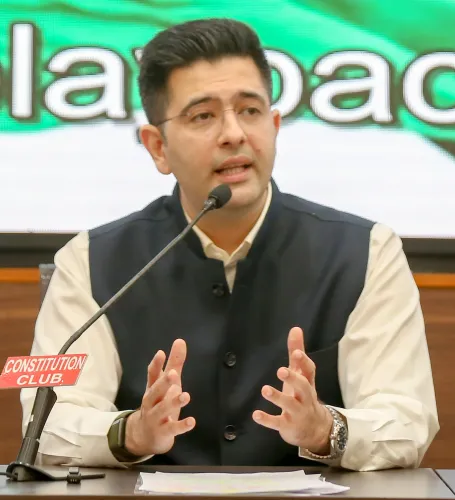
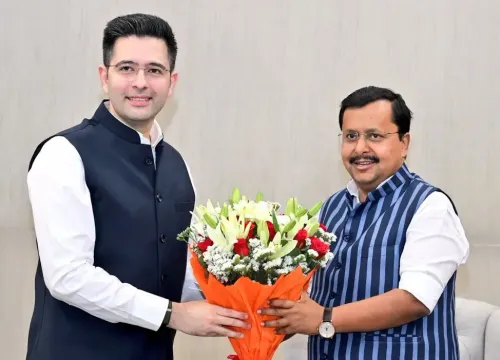
Seven AAP MPs , including Rajya Sabha MP Raghav Chadha , resigned from the Aam Aadmi Party and joined the BJP on April 25, 2025 .
Anna Hazare , whose 2011 anti-corruption movement gave birth to AAP, defended the defections and indirectly blamed Arvind Kejriwal's leadership for the exodus.
BJP spokesperson Shehzad Poonawala declared AAP now stands for "Akele Arvind Ki Party" , referencing the party's alleged over-centralisation under Kejriwal.
JD(U) spokesperson Rajeev Ranjan described Raghav Chadha's treatment within AAP as "undoubtedly very unfortunate," alleging Kejriwal sidelined loyal leaders.
Congress leader Abhishek Dutt predicted that even Arvind Kejriwal himself may eventually merge into the BJP, reflecting the opposition's view of AAP's terminal decline.
The defections follow AAP's catastrophic defeat in the February 2025 Delhi Assembly elections , compounding what critics call the party's worst-ever leadership crisis.
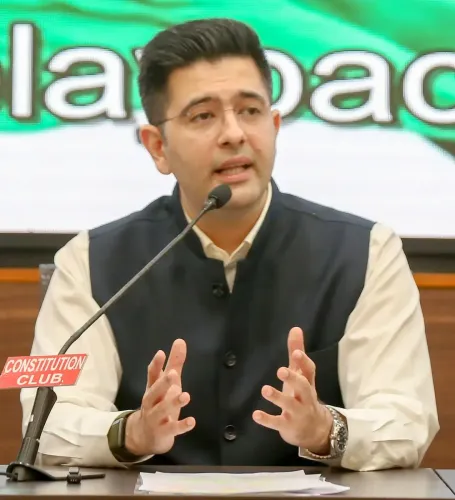
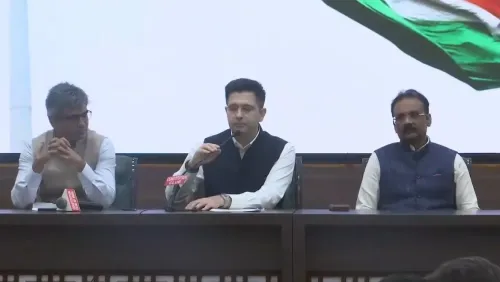
New Delhi, April 25, 2025 — The dramatic resignation of Rajya Sabha MP Raghav Chadha and six other Members of Parliament from the Aam Aadmi Party (AAP) to join the Bharatiya Janata Party (BJP) has sent shockwaves through Indian politics, triggering sharp reactions from social activist Anna Hazare, senior BJP leaders, and opposition figures. The mass departure — one of the most significant defections from AAP since its founding — raises serious questions about the party's internal cohesion and Arvind Kejriwal's leadership style.
Anna Hazare Calls It a Democratic Right
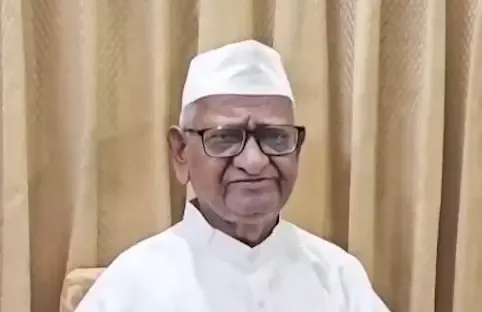
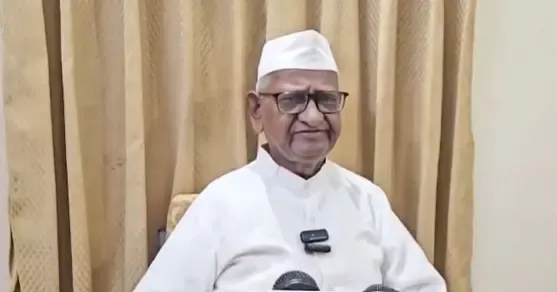
Speaking to reporters on April 25, veteran social activist Anna Hazare — whose 2011 anti-corruption movement gave birth to AAP — defended the departing leaders, framing their exit as a legitimate democratic choice.
Hazare stated, "In a democracy, where to go and where to stay is a matter of individual choice and opinion." He went further, suggesting the departures signal deeper dysfunction within the party. "If they left, they must have faced some issues or had their own reasons. If the party had been functioning properly, they would not have left," he said pointedly.
The irony is striking: Hazare, the moral face behind AAP's founding, is now indirectly validating the exodus of leaders from the very party his movement inspired — a symbolic moment that underscores how far AAP has drifted from its origins.
BJP Leaders Hail the Defections as a Vote of Confidence
BJP Bihar President Sanjay Saraogi framed the defections as part of a broader national trend of political realignment toward the BJP, crediting Prime Minister Narendra Modi's governance model as the primary draw.
"Those who believe in the Prime Minister's work and BJP's policies are now looking towards the party. Good people from other parties are developing faith in BJP and are eager to join," Saraogi said.
Senior BJP leader Ram Kripal Yadav launched a pointed critique of AAP's ideological drift. "The Aam Aadmi Party, which Arvind Kejriwal once said stood for the poor and the oppressed, has now forgotten all of that — and so the people are also forgetting them," he said.
BJP spokesperson Shehzad Poonawala delivered the sharpest attack, coining a new acronym for AAP. "AAP doesn't mean Aam Aadmi Party anymore. It has become Akele Arvind Ki Party. Those who had come holding Anna's finger, they were tied up with Lalu. Those who said they would not go into VVIP culture, they were turned into Sheesh Mahal," he said, referencing the controversy over Kejriwal's official residence.
JD(U) and Congress Pile On — Kejriwal's Leadership Under Scrutiny
JD(U) National Spokesperson Rajeev Ranjan expressed sympathy for Raghav Chadha, describing his treatment within AAP as "undoubtedly very unfortunate." He alleged that Kejriwal sidelined his most loyal lieutenants despite their dedicated service.
"Raghav Chadha was serving as a trusted advisor and strategist, fulfilling responsibilities assigned by Arvind Kejriwal. However, Kejriwal ignored his loyal leaders, and he is now facing the consequences of that decision," Ranjan said.
Congress leader Abhishek Dutt took a more sweeping view, predicting AAP's eventual merger into BJP. "It is not far when even Arvind Kejriwal himself, along with the Aam Aadmi Party, may merge into the BJP," he said. He also questioned why Kejriwal failed to act decisively when Swati Maliwal and Raghav Chadha were publicly opposing him, asking why neither was suspended or expelled from the party.
Deeper Context: AAP's Unraveling — A Pattern, Not an Anomaly
This mass defection does not exist in a vacuum. AAP has faced a series of internal crises over the past two years — from the Swati Maliwal assault controversy at Kejriwal's residence to the arrest of senior leaders including Manish Sisodia and Satyendar Jain in corruption cases, allegations that AAP strongly denies.
Notably, AAP's performance in the February 2025 Delhi Assembly elections was catastrophic — the party that once swept 67 of 70 seats in 2020 was decimated at the ballot box, signalling a dramatic collapse in voter trust. The defections now accelerate what critics describe as a leadership crisis that Kejriwal has refused to publicly acknowledge.
The departure of Raghav Chadha — once one of AAP's most articulate and media-savvy faces — is particularly symbolic. His exit, combined with the silence of other senior party figures, suggests the rot may run deeper than AAP's public messaging admits.
What Happens Next — Political Implications
With seven MPs now joining BJP, AAP's parliamentary presence is significantly weakened. The defections could trigger a domino effect, with other disenchanted AAP legislators reassessing their political futures ahead of upcoming state elections.
For the BJP, absorbing high-profile AAP defectors serves a dual purpose: it strengthens the party's parliamentary numbers while simultaneously dealing a reputational blow to one of its most vocal critics. Political analysts will be watching whether these defectors are given significant roles within BJP or remain peripheral additions.
As Arvind Kejriwal faces mounting pressure from within and outside his party, the coming weeks will be critical in determining whether AAP can stabilise its leadership and rebuild credibility — or whether this exodus marks the beginning of a terminal decline for a party that once promised to transform Indian politics.
Point of View
AAP's own founding conscience, is publicly validating the departures speaks volumes about how comprehensively Kejriwal has alienated even his closest ideological allies. What mainstream coverage misses is the structural irony: a party built on anti-establishment rebellion has itself become a centralised, personality-driven machine — the very model it was created to dismantle. With seven MPs gone, a Delhi election catastrophe behind it, and senior leaders in legal jeopardy, AAP's trajectory now looks less like a temporary setback and more like an irreversible unraveling.
NationPress
3 Oct 2026
Frequently Asked Questions
Why did Raghav Chadha and other AAP MPs join BJP?
Raghav Chadha and six other AAP MPs resigned from the party and joined the BJP on April 25, 2025, citing dissatisfaction with AAP's internal functioning. Anna Hazare suggested the departures reflect underlying issues within the party under Arvind Kejriwal's leadership.
What did Anna Hazare say about AAP MPs joining BJP?
Anna Hazare defended the defections as a democratic right, stating that in a democracy, political choices are individual decisions. He indirectly criticised AAP's leadership, saying the departures would not have happened if the party had been functioning properly.
How many AAP MPs have joined BJP in 2025?
Seven AAP MPs, including Rajya Sabha MP Raghav Chadha, joined the BJP in April 2025. This represents one of the largest single defections from AAP since the party was founded.
What is the impact of AAP MPs joining BJP on the party?
The defection of seven MPs significantly weakens AAP's parliamentary presence and deepens the party's leadership crisis following its crushing defeat in the February 2025 Delhi Assembly elections. Political analysts warn it could trigger further departures from the party.
What did BJP leaders say about AAP defections?
BJP leaders including Sanjay Saraogi, Ram Kripal Yadav, and Shehzad Poonawala welcomed the defections, calling them a sign of growing faith in PM Modi's governance. Poonawala coined the term 'Akele Arvind Ki Party' to mock AAP's alleged centralisation under Kejriwal.