Raghav Chadha Slams AAP's 'Toxic Culture', Backs BJP Move
Synopsis
Rajya Sabha MP Raghav Chadha has publicly accused AAP of a 'toxic work culture' and corruption after joining BJP alongside six other MPs. In a striking Instagram video, he revealed three choices he faced and lost 2 million followers overnight — exposing a deep fracture in the party that once promised to reinvent Indian politics.
Key Takeaways
Raghav Chadha resigned from AAP and announced his merger with BJP on April 27, 2025 , citing a toxic internal culture.
A total of 7 Rajya Sabha MPs — including Swati Maliwal, Harbhajan Singh, Sandeep Pathak, Ashok Mittal, Rajinder Gupta, and Vikram Sahni — collectively resigned from AAP.
Chadha alleged that AAP MPs were being prevented from speaking in Parliament and that the party was controlled by corrupt individuals serving personal interests.
Chadha reportedly lost approximately 2 million Instagram followers following the announcement, reflecting strong backlash from young voters.
Chadha dedicated 15 years to AAP as a founding member before leaving, describing the party's transformation as a betrayal of its original vision.
The defection significantly weakens AAP's presence in the Rajya Sabha and strengthens BJP's parliamentary numbers and urban outreach.
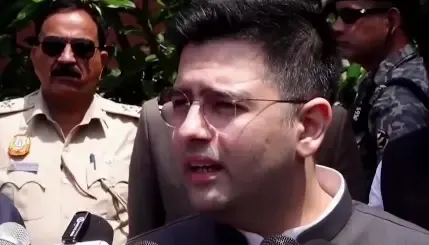
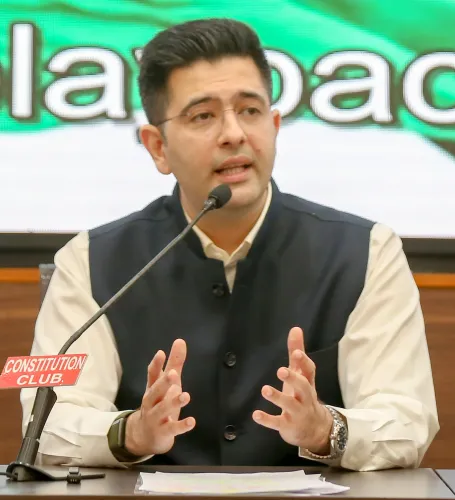
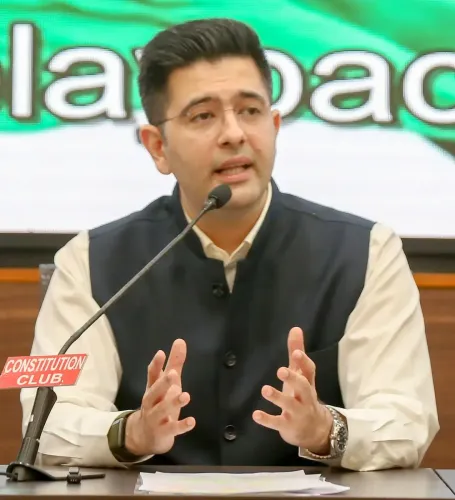
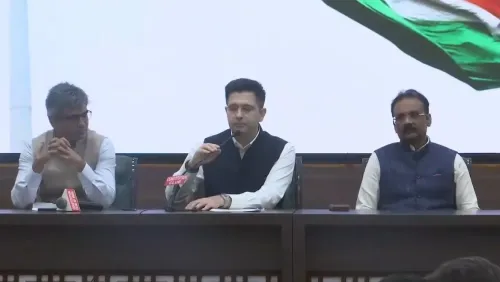
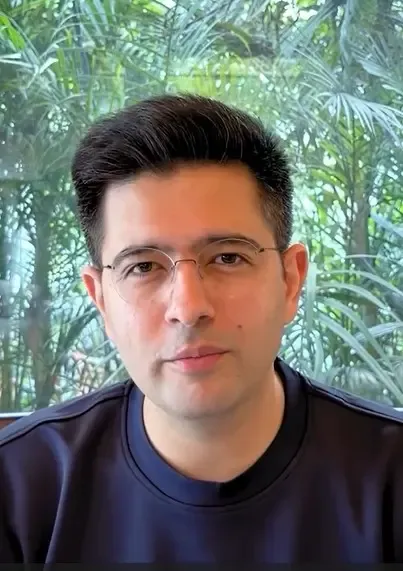
New Delhi, April 27: Rajya Sabha MP Raghav Chadha has publicly broken his silence over his dramatic exit from the Aam Aadmi Party (AAP), accusing the party of fostering a "toxic work environment" that prevented elected representatives from functioning effectively. In a video message posted on Instagram on Monday, Chadha defended his decision to join the Bharatiya Janata Party (BJP), asserting that the move would allow him to not just raise public issues but also ensure their actual implementation on the ground.
The Breaking Point: Why Chadha Left AAP After 15 Years
Chadha, a Chartered Accountant by profession who gave up his career to become a founding member of AAP, described the party's transformation as deeply troubling. He stated that he had dedicated 15 years — "the prime of his youth" — to building the party through "blood, sweat, and immense hard work."
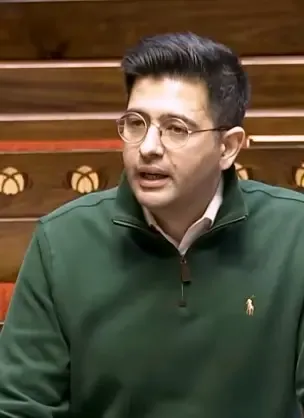
He alleged that the party had been captured by a "select few corrupt and compromised individuals" who now work for personal gain rather than public service. He claimed that MPs were being prevented from speaking in Parliament and blocked from performing their duties — a serious allegation that strikes at the heart of democratic representation.
"You are prevented from doing your work; you are stopped from speaking in Parliament," Chadha said in the video, drawing a pointed parallel with toxic corporate workplaces. "If your workplace were to become a toxic environment, how much work would you actually be able to accomplish?"
Seven MPs Collectively Resign: A Coordinated Political Exodus
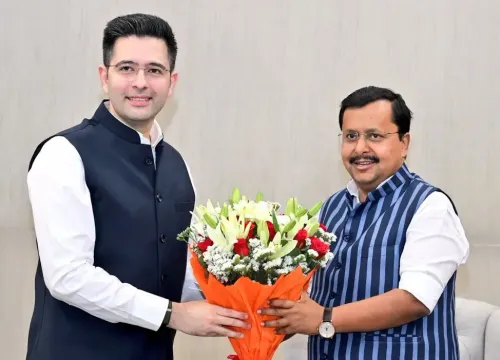
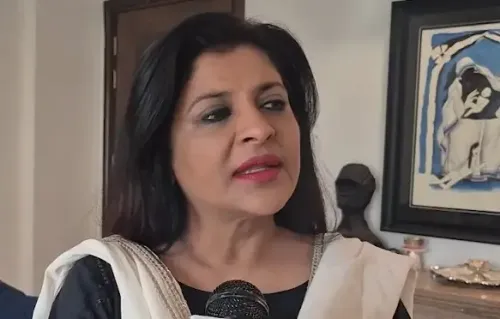
The resignation was not an isolated act. Chadha was joined by six other Rajya Sabha MPs — Swati Maliwal, Harbhajan Singh, Sandeep Pathak, Ashok Mittal, Rajinder Gupta, and Vikram Sahni — all of whom have announced their intent to merge with the BJP. This represents one of the largest single-day defections from AAP since the party's founding.
Chadha used the collective nature of the exit as a moral defence against critics. "A single individual might be mistaken; two individuals might be mistaken; but seven people cannot all be wrong," he argued, also pointing to the broader exodus of educated and ideologically committed individuals from the party over the years.
Notably, this political realignment comes at a critical juncture — AAP is already reeling from the legal troubles of its top leadership, declining electoral performance in Delhi, and a significant erosion of its urban middle-class support base.
The Three Options Chadha Considered
Chadha outlined three choices he faced: quit politics entirely, stay in AAP and attempt internal reform, or move to a different political platform. He said internal reform proved impossible, and quitting politics was not an option for someone committed to public service.
He framed joining the BJP as the most constructive path — one that would allow him to channel his experience into "positive politics" and deliver tangible results for constituents. He assured followers that his core issues and causes would remain unchanged, promising to pursue them "with renewed energy and great passion."
Social Media Backlash and the Gen Z Fallout
Chadha notably chose Instagram — a platform with a predominantly young audience — to deliver his message, even as he reportedly lost approximately 2 million followers following news of his defection. The backlash reflects the deep emotional investment many young urban voters had placed in AAP's original anti-corruption, good-governance narrative.
This irony is not lost on political observers: Chadha, once celebrated as the articulate, youthful face of a new kind of politics, is now defending his move to join the very establishment party that AAP was built to challenge. Critics argue that the shift raises legitimate questions about ideological consistency, while supporters contend that the original AAP vision no longer exists within the party.
What This Means for AAP and Indian Opposition Politics
The collective defection of seven Rajya Sabha MPs significantly weakens AAP's presence in the Upper House of Parliament, potentially impacting its ability to block or debate legislation. For the BJP, the merger adds experienced parliamentary voices and strengthens its outreach to urban, educated voters.
This development also raises broader questions about the sustainability of personality-driven political movements in India. AAP, which rose to national prominence on the promise of clean politics and systemic change, now faces an existential credibility crisis as its own founding members cite corruption and authoritarianism within its ranks.
As the political dust settles, all eyes will be on how Arvind Kejriwal responds publicly and whether additional AAP leaders follow suit in the coming weeks — a development that could further reshape the opposition landscape ahead of future state elections.
Point of View
Citing internal suppression and corruption, suggests this is not sour grapes but a systemic failure of internal democracy within AAP. More significantly, Chadha's move to BJP — the ideological antithesis of AAP's founding identity — signals that for many in this cohort, access to power now outweighs ideological purity. Indian voters, especially the disillusioned urban youth, deserve to ask: if AAP's own founders call it corrupt, what exactly are they being asked to vote for?
NationPress
20 Sept 2026
Frequently Asked Questions
Why did Raghav Chadha leave AAP?
Raghav Chadha left AAP citing a toxic work environment, internal corruption, and being prevented from speaking in Parliament. He stated the party had been taken over by a few corrupt individuals working for personal gain rather than public service.
Which AAP MPs joined BJP along with Raghav Chadha?
Six other Rajya Sabha MPs joined Raghav Chadha in resigning from AAP and merging with BJP — Swati Maliwal, Harbhajan Singh, Sandeep Pathak, Ashok Mittal, Rajinder Gupta, and Vikram Sahni. The collective resignation marks one of the biggest defections in AAP's history.
How did social media react to Raghav Chadha joining BJP?
Raghav Chadha reportedly lost around 2 million Instagram followers following news of his defection to BJP, reflecting significant backlash from young urban voters. He posted a video on Instagram specifically to address the criticism and explain his decision.
What impact will the AAP MP resignations have on Parliament?
The departure of seven Rajya Sabha MPs significantly weakens AAP's strength in the Upper House of Parliament. This reduces the party's ability to effectively debate, block, or influence key legislation going forward.
What did Raghav Chadha say about his future political work after joining BJP?
Chadha assured supporters that his political priorities and causes would remain unchanged after joining BJP. He argued that the new platform would allow him to not only raise public issues but also ensure their actual implementation, which he claimed was impossible within AAP.