Breaking: AAP Leaders Join BJP, Tejashwi Yadav Fires Back
Synopsis
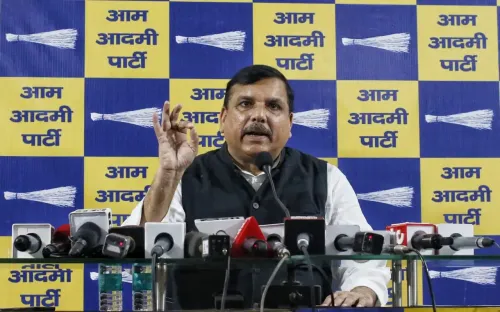
In a dramatic political shake-up on April 24, AAP's Rajya Sabha MP Raghav Chadha and senior leader Sandeep Pathak resigned and joined the BJP. RJD's Tejashwi Yadav fired back, accusing defectors of being 'sold out' or 'scared', framing the exodus as a litmus test of who truly stands for India's Constitution and democracy.
Key Takeaways
Rajya Sabha MP Raghav Chadha resigned from AAP and joined the BJP on April 24, 2025 , in one of the party's most high-profile defections.
Senior AAP organiser Sandeep Pathak also quit the party and joined the BJP , citing an emotional but necessary departure after years of grassroots work.
RJD National Working President Tejashwi Yadav accused defecting leaders of having made deals, being scared, or being "sold out" to the BJP .
Political analysts view the defections as a serious blow to AAP 's national expansion strategy, particularly beyond Delhi and Punjab .
The BJP is positioned to benefit from the experience, public recognition, and organisational networks of the incoming leaders.
The wave of defections reflects a broader pattern of opposition fragmentation driven by the structural power imbalance between the ruling party and opposition groups in India .
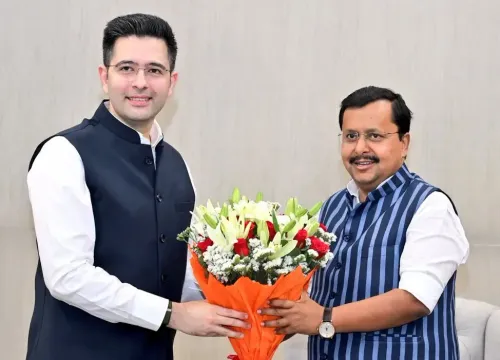
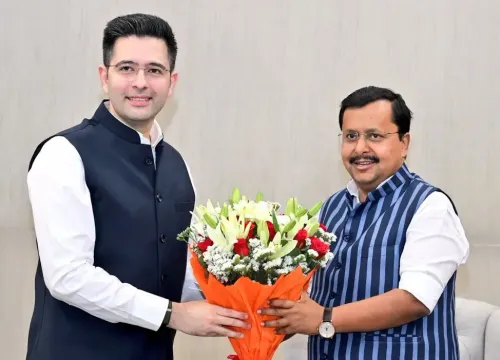
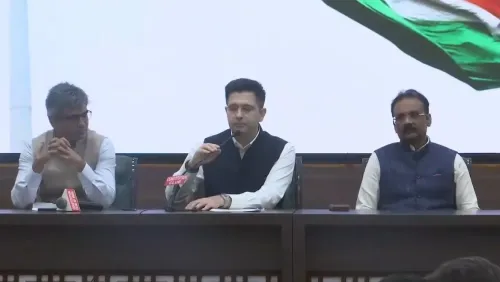
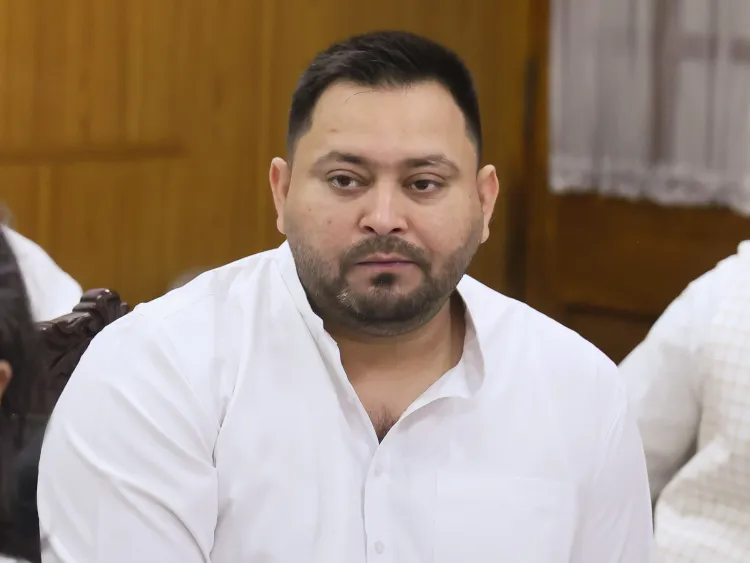
Patna, April 24: A sweeping wave of political defections rocked the Aam Aadmi Party (AAP) on Thursday, April 24, as prominent leaders including Rajya Sabha MP Raghav Chadha and senior organiser Sandeep Pathak resigned from the party and formally joined the Bharatiya Janata Party (BJP). The mass exodus prompted RJD National Working President Tejashwi Yadav to launch a scathing attack, alleging that defecting leaders had either cut deals, buckled under fear, or been "sold out".
Tejashwi Yadav's Blistering Counterattack
Tejashwi Yadav, speaking from Patna, did not mince words in his response to the defections. He drew a sharp ideological line between those who, in his view, compromised for personal gain and those continuing to fight for the Constitution and democratic values.
"Now, whoever is leaving — you know that everyone has already made a deal. Whoever got scared has gone to the BJP. Whoever got sold out has gone to the BJP. Whoever is struggling, fighting, is standing to save the country's Constitution and democracy. Such people are standing against the BJP," Tejashwi Yadav said.
His remarks are being read as a broader message to the opposition bloc, urging voters and leaders alike to identify who is genuinely committed to the democratic cause versus who is switching sides for political convenience or self-preservation.
Raghav Chadha's High-Profile Exit from AAP
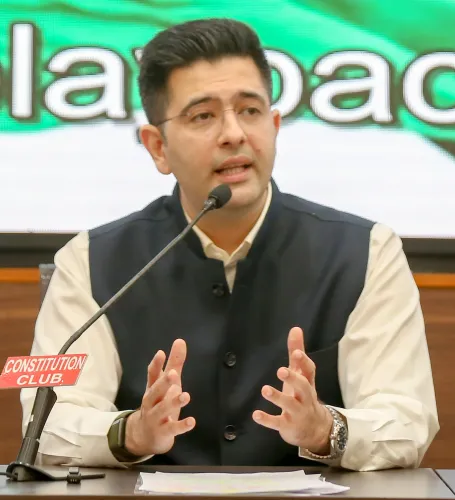
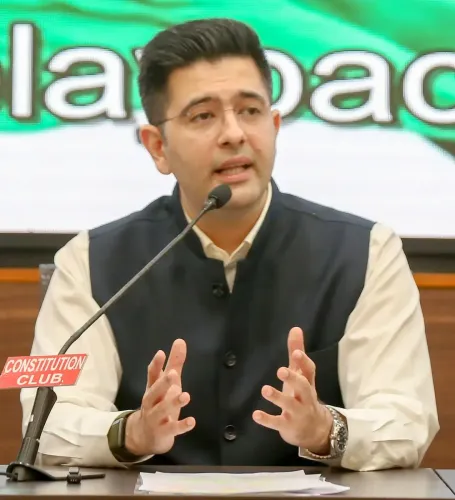
Raghav Chadha, one of AAP's most recognisable national faces and a sitting Rajya Sabha MP, formally tendered his resignation from the party before joining the BJP. His departure is widely regarded as the most significant blow to AAP in this round of defections.
In his post-resignation statement, Chadha alleged that the party had drifted away from its foundational principles and no longer functioned in the broader national interest. He pledged to continue public service with a renewed sense of purpose under the BJP banner.
Notably, Chadha had been one of the party's most vocal spokespersons, frequently representing AAP in national debates and media forums. His switch carries both symbolic and organisational weight for the party.
Sandeep Pathak and the Organisational Blow to AAP
Sandeep Pathak, a senior AAP leader known for his deep organisational work across states, also quit the party and joined the BJP. He described his exit as emotionally difficult, given the years he had invested in building the party's grassroots infrastructure.
Pathak's departure is particularly damaging because his strength lay in ground-level mobilisation — a critical asset for any party with national expansion ambitions. Losing such a figure undermines AAP's organisational capacity beyond its strongholds of Delhi and Punjab.
What This Means for AAP's National Ambitions
Political analysts view this wave of defections as a serious structural setback for AAP, which has been actively attempting to establish a pan-India presence following its Punjab victory in 2022. The party had been eyeing states like Gujarat, Rajasthan, and Haryana as expansion territories.
This comes amid a broader pattern of opposition fragmentation, where the BJP's organisational muscle and access to power have repeatedly drawn leaders away from smaller or struggling parties. Critics argue this trend reflects the structural imbalance between the ruling party and the opposition in terms of resources and institutional influence.
The BJP, on the other hand, stands to gain not just in terms of numbers but also in absorbing the experience, public recognition, and networks that leaders like Chadha and Pathak bring with them.
Broader Political Implications
The defections add another chapter to what observers describe as a sustained erosion of the opposition's bench strength. Tejashwi Yadav's framing of the situation — as a battle between those who "sold out" and those still fighting — is a deliberate attempt to recast the narrative and consolidate the remaining opposition's identity.
This is not the first time AAP has faced internal turbulence. The party has previously dealt with high-profile exits and internal dissent, particularly following legal troubles surrounding its top leadership. However, the simultaneous departure of both a sitting parliamentarian and a key organisational figure marks a new depth of crisis.
As India moves closer to the next electoral cycle, all eyes will be on whether AAP can arrest this bleeding and regroup, or whether the defections will trigger a further cascade of exits from the party's ranks.
Point of View
But it also exposes the opposition's deeper crisis: the inability to offer leaders the same institutional security, legal cover, or resource access that comes with aligning with the ruling establishment. The real story here is not just AAP's loss — it is the structural asymmetry of Indian politics, where the gravitational pull of power increasingly overrides ideology, and where opposition unity remains aspirational rather than operational.
NationPress
11 Oct 2026
Frequently Asked Questions
Why did Raghav Chadha leave AAP and join BJP?
Raghav Chadha resigned from AAP stating that the party had deviated from its founding principles and no longer functioned in the national interest. He joined the BJP on April 24, 2025, pledging to continue public service with renewed commitment.
What did Tejashwi Yadav say about AAP leaders joining BJP?
Tejashwi Yadav alleged that leaders leaving opposition parties for the BJP had either made deals, got scared, or were 'sold out'. He framed those still in the opposition as the true defenders of India's Constitution and democracy.
Who else from AAP joined the BJP along with Raghav Chadha?
Senior AAP leader and key organiser Sandeep Pathak also resigned from the party and joined the BJP on the same day. He described his departure as emotionally difficult after years of grassroots organisational work.
How will these defections impact AAP's national expansion plans?
The departures of Raghav Chadha and Sandeep Pathak are seen as a major setback to AAP's ambitions of expanding beyond Delhi and Punjab. Losing a sitting MP and a ground-level organiser simultaneously weakens both the party's public profile and its structural capacity.
Is this the first time AAP has faced major defections?
No, AAP has previously experienced high-profile exits and internal dissent, particularly amid legal controversies involving its top leadership. However, the simultaneous loss of a Rajya Sabha MP and a senior organiser marks one of the most significant rounds of defections in the party's recent history.