CM Samrat Choudhary Hails AAI's ₹294 Cr Purnia Airport Tender
Synopsis
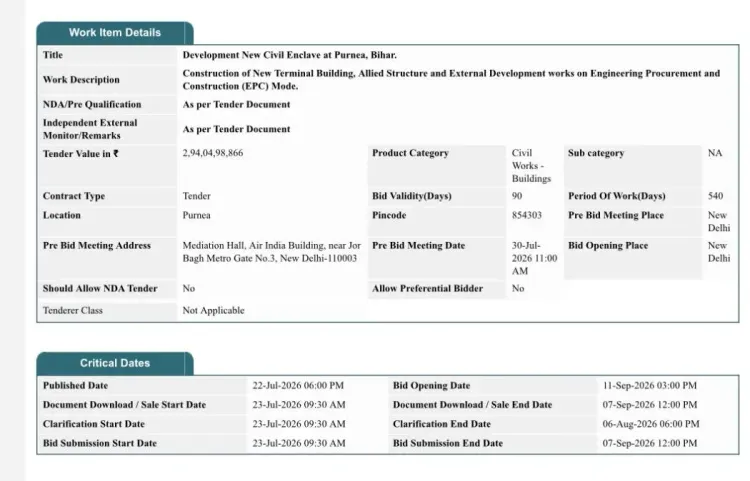
Bihar CM Samrat Choudhary has welcomed the AAI's issuance of a ₹294.05 crore EPC tender for a permanent civil enclave at Purnia Airport, building on the interim facility inaugurated by PM Modi in September 2025 and the airport's current 10 daily flights.
Key Takeaways
The Airports Authority of India (AAI) has issued an EPC tender of approximately ₹294.05 crore for constructing a permanent civil enclave at Purnia Airport in Bihar.
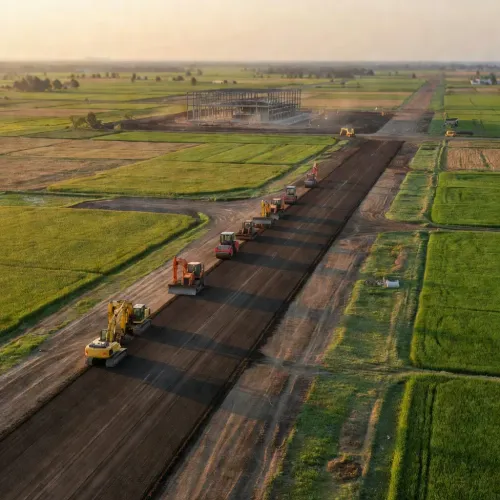
The tender covers a modern terminal building, aviation infrastructure, and external development works at the airport.
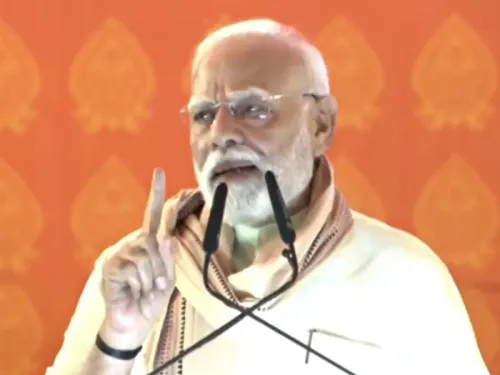
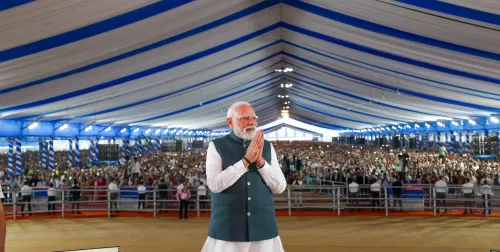
Bihar CM Samrat Choudhary credited PM Narendra Modi with inaugurating the interim civil enclave on 15 September 2025 , calling it a historic step for Seemanchal's connectivity.
Purnia Airport currently operates 10 daily flights , cited by the Chief Minister as evidence of strong regional demand.
The project is aligned with the Central government's UDAN scheme , which has been promoting regional air connectivity since 2016 .
The permanent enclave is expected to accelerate tourism, trade, investment, and employment in the Seemanchal region of north-eastern Bihar.
Bihar Chief Minister Samrat Choudhary on Wednesday, 22 July 2026 publicly thanked Prime Minister Narendra Modi after the Airports Authority of India (AAI) issued an EPC tender worth approximately ₹294.05 crore for constructing a permanent civil enclave at Purnia Airport in north-eastern Bihar, marking a significant step forward for aviation connectivity in the Seemanchal region.
Context
Choudhary's post recalled that Prime Minister Modi had inaugurated the interim civil enclave at Purnia Airport on 15 September 2025, describing it as a 'historic gift of air connectivity' (ऐतिहासिक सौगात) to millions of residents of Seemanchal and north-eastern Bihar. The Chief Minister noted that the airport now handles 10 daily flights, which he cited as evidence of both the project's success and the region's growing appetite for air travel.
The AAI's decision to float the EPC tender signals a transition from the existing interim facility to a full-scale permanent infrastructure, a move that state officials have long sought to anchor commercial aviation in the district.
Policy Backdrop
Purnia Airport's expansion sits squarely within the Central government's UDAN (Ude Desh ka Aam Naagrik) scheme, launched in 2016 to extend affordable air connectivity to underserved tier-2 and tier-3 cities across India. Bihar, a state with historically limited aviation infrastructure, has been a focus of this regional connectivity push.
The AAI, as the nodal agency for airport development, has been tasked with executing such upgrades through competitive EPC (Engineering, Procurement and Construction) contracts. The ₹294.05 crore outlay for Purnia is intended to fund a modern terminal building, airside infrastructure, and external development works, according to Choudhary's post.
This fits a broader national pattern of coordinated Centre-state investment in eastern India's transport backbone, aimed at stimulating economic activity in districts that lag behind western and southern metros in connectivity and industrial output.
Stakeholders and Impact
The primary beneficiaries are the residents of Seemanchal — a cluster of districts including Purnia, Katihar, Araria, and Kishanganj — who previously had to travel to Patna or Bagdogra for commercial flights. Improved connectivity is expected to reduce travel time and costs for a population that includes a significant diaspora with family ties to the Gulf and other states.
Choudhary argued that the permanent enclave would 'give new momentum to tourism, trade, investment and employment in Seemanchal' (पर्यटन, व्यापार, निवेश और रोजगार को नई गति). Local business associations and logistics operators stand to benefit from faster freight and passenger options, while the construction phase itself is expected to generate direct employment in the region.
The Bihar government has framed the development as integral to its 'Viksit Bihar' (Developed Bihar) vision, aligning it with the national 'Viksit Bharat' (Developed India) narrative championed by the BJP-led Central government.
What's Next
The immediate focus will be on the outcome of the EPC tender process — including bidder response, contract award, and the commencement of construction. The timeline for completing the permanent terminal has not been specified in Choudhary's post or the accompanying research.
Once operational, the permanent civil enclave is expected to substantially increase passenger capacity beyond what the current interim facility allows, potentially attracting new airline routes and strengthening Purnia's case as a regional aviation hub for the Bihar-Bengal-Nepal border belt. The progress of this tender will be a key indicator of how quickly the Centre-state coordination translates into ground-level infrastructure delivery.
Point of View
CM Choudhary is reinforcing Centre-state alignment — a political posture that helps Bihar secure further federal allocations. The 10-flight daily figure, if sustained, also strengthens the case that UDAN's demand-stimulation model is working in eastern India, where sceptics once questioned whether tier-3 cities could generate viable passenger loads. The permanent enclave, once built, could redefine Seemanchal's economic geography, making it a test case for replicating similar upgrades across Bihar's other underserved districts.
NationPress
21 Oct 2026
Frequently Asked Questions
What is the Purnia Airport permanent civil enclave project?
It is a ₹294.05 crore infrastructure project for which the Airports Authority of India has issued an EPC tender to build a modern terminal building, airside infrastructure, and external development works at Purnia Airport in Bihar, replacing the existing interim civil enclave.
When was Purnia Airport's interim civil enclave inaugurated?
According to Bihar CM Samrat Choudhary's post, Prime Minister Narendra Modi inaugurated the interim civil enclave at Purnia Airport on 15 September 2025.
How many flights operate from Purnia Airport currently?
Bihar CM Samrat Choudhary stated in his post that Purnia Airport is currently handling 10 daily flights, which he cited as evidence of the project's success and growing demand for air travel in the region.
What is the UDAN scheme and how does it relate to Purnia Airport?
UDAN (Ude Desh ka Aam Naagrik) is a Central government scheme launched in 2016 to provide affordable air connectivity to smaller and underserved cities. Purnia Airport's expansion is part of this framework to extend aviation access in north-eastern Bihar.
What benefits will the permanent civil enclave bring to Seemanchal?
CM Choudhary's post states the permanent enclave will boost tourism, trade, investment, and employment in the Seemanchal region while strengthening regional air connectivity for millions of residents who previously lacked direct flight access.