Amit Shah Marks 5 Years of Cooperation Ministry With Key Launches
Synopsis
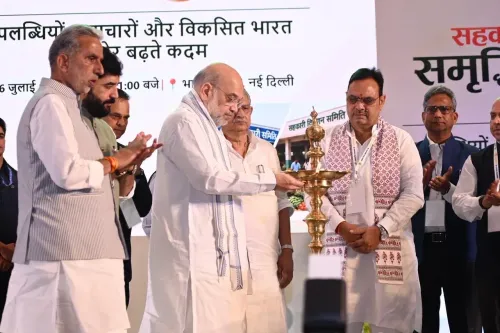
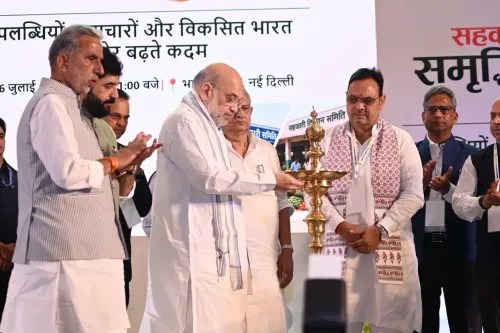
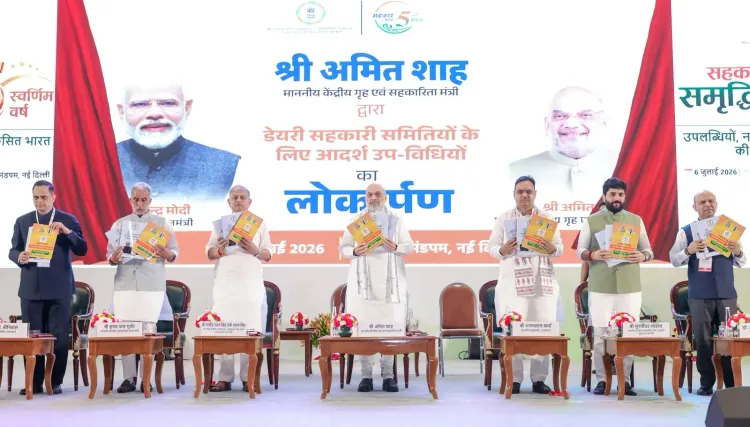
Union Home Minister Amit Shah on July 6, 2026, marked five years of the Ministry of Cooperation by inaugurating 232 grain storage warehouses, launching digital banking platforms Sahkar CBS and Sahkar Sahayogi for urban cooperative banks, releasing model bye-laws for dairy cooperatives, and laying the foundation for BBSSL tissue culture facilities.
Key Takeaways
Five-year milestone: The Ministry of Cooperation, established in July 2021 , completed five years on July 6, 2026 , with Amit Shah citing more than 150 initiatives under the Sahkar Se Samriddhi campaign.
Storage infrastructure: Foundation stones laid and inaugurations held for 232 grain storage warehouses to reduce post-harvest losses and strengthen rural food security.
Digital banking launch: Sahkar CBS (core banking solution) and Sahkar Sahayogi (digital banking service) launched for urban cooperative banks.
Dairy governance: Model bye-laws for dairy cooperative societies formally released to standardise governance across the sector.
Seed supply chain: Foundation stone laid for tissue culture facilities of BBSSL , aimed at improving quality seed availability through the cooperative network.
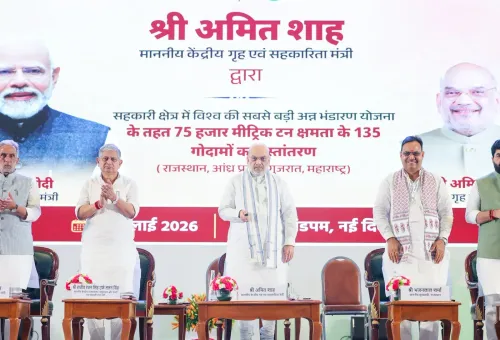
Union Home Minister and Minister of Cooperation Amit Shah on Monday, July 6, 2026, marked the completion of five years of the Ministry of Cooperation by inaugurating and laying foundation stones for 232 grain storage warehouses, launching digital banking services for urban cooperative banks, and releasing model bye-laws for dairy cooperatives.
Context
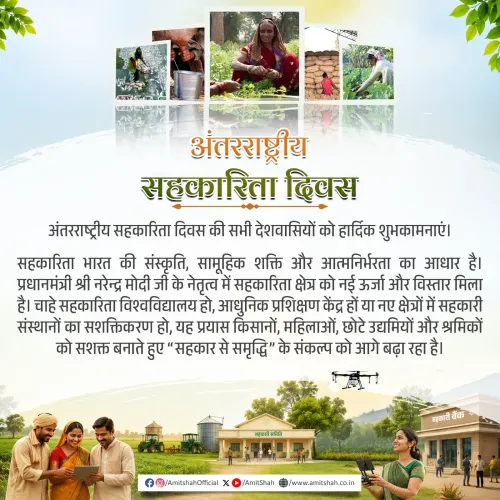
Posting on X under the hashtag #SahkarSeSamriddhiKe5Saal (meaning 'Five Years of Prosperity Through Cooperation'), Shah said that more than 150 initiatives undertaken during this period have become the foundation of a digital revolution in the cooperative sector. He stated that these efforts — spanning milk production to organic farming — are accelerating India's self-reliance and the vision of a Viksit Bharat (Developed India).
The Ministry of Cooperation was established in July 2021 as a dedicated central ministry to modernise and strengthen India's cooperative movement, with Amit Shah appointed as its first minister.
Policy Backdrop
The ministry has pursued a multi-pronged strategy since its creation — combining grassroots cooperative structures with central technology platforms. A key earlier milestone was the approval of the computerisation of 63,000 Primary Agricultural Credit Societies (PACS) in 2022–23, aimed at improving transparency and efficiency at the village level.
On July 6, two new digital platforms were launched for urban cooperative banks: 'Sahkar CBS', a core banking solution, and 'Sahkar Sahayogi', a digital banking service. Model bye-laws for dairy cooperative societies were also formally released, building on governance standardisation efforts that began with model bye-laws for multi-state cooperatives circulated from 2022 onwards.
Additionally, the foundation stone for tissue culture facilities of Bharatiya Beej Sahakari Samiti Limited (BBSSL) — a national cooperative focused on seed production and distribution — was laid, signalling an expansion of the ministry's footprint into agricultural input supply chains.
Stakeholders and Impact
Dairy cooperatives stand to benefit from the newly released model bye-laws, which are designed to standardise governance and improve accountability across thousands of societies. Urban cooperative banks, long considered a fragmented and under-regulated segment, will gain access to a unified core banking platform through Sahkar CBS, potentially improving service delivery for millions of account holders.
The 232 grain storage warehouses — a mix of inaugurations and foundation-stone layings — are aimed at reducing post-harvest losses and strengthening food security infrastructure, particularly in rural areas. The BBSSL tissue culture facilities are expected to enhance the availability of quality seeds through the cooperative network.
What's Next
Attention will now turn to the pace of rollout of Sahkar CBS across urban cooperative banks and the completion timelines for the 232 announced storage warehouses. The ministry's ability to translate these announcements into operational infrastructure will be closely watched by cooperative sector stakeholders. The integration of digital tools with cooperative governance structures remains a central test of the five-year reform agenda's durability beyond its anniversary milestone.
Point of View
Digital platforms, and governance frameworks — into high-visibility occasions, reinforcing the BJP government's narrative of institutional reform in the cooperative sector. The simultaneous launch of Sahkar CBS and model bye-laws for dairy societies reflects an attempt to address two long-standing weaknesses: technological fragmentation in urban cooperative banks and governance deficits in rural dairy bodies. The BBSSL tissue culture initiative signals a deliberate push to extend the cooperative model upstream into agricultural inputs, a domain historically dominated by private players. Whether these launches translate into measurable outcomes for farmers and cooperative members will determine the political and policy legacy of the ministry's first five years.
NationPress
6 Jul 2026
Frequently Asked Questions
What is the Ministry of Cooperation and when was it formed?
The Ministry of Cooperation is a central government ministry established in July 2021 to provide dedicated focus to India's cooperative sector, with Amit Shah as its first minister. It oversees policy, regulation, and development of cooperatives across agriculture, dairy, banking, and other sectors.
What are the 232 grain storage warehouses announced by Amit Shah?
On July 6, 2026 , Amit Shah inaugurated and laid foundation stones for 232 grain storage warehouses as part of the five-year anniversary of the Ministry of Cooperation. These are intended to reduce post-harvest losses and strengthen food security infrastructure through the cooperative network.
What is BBSSL and what are its tissue culture facilities?
BBSSL (Bharatiya Beej Sahakari Samiti Limited) is a national cooperative focused on seed production, multiplication, and distribution. The foundation stone for its tissue culture facilities was laid on July 6, 2026 , to improve the availability of quality planting material through cooperative channels.
What is Sahkar Se Samriddhi?
Sahkar Se Samriddhi (Prosperity Through Cooperation) is a campaign and guiding theme of the Ministry of Cooperation, highlighting its initiatives over five years from 2021 to 2026 . The hashtag #SahkarSeSamriddhiKe5Saal was used to mark the ministry's fifth anniversary.