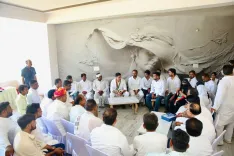
Nadda meets IMA doctors in Ambala, highlights 12 years of health reforms
Synopsis
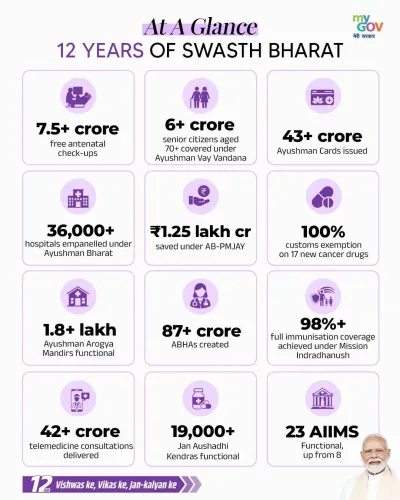
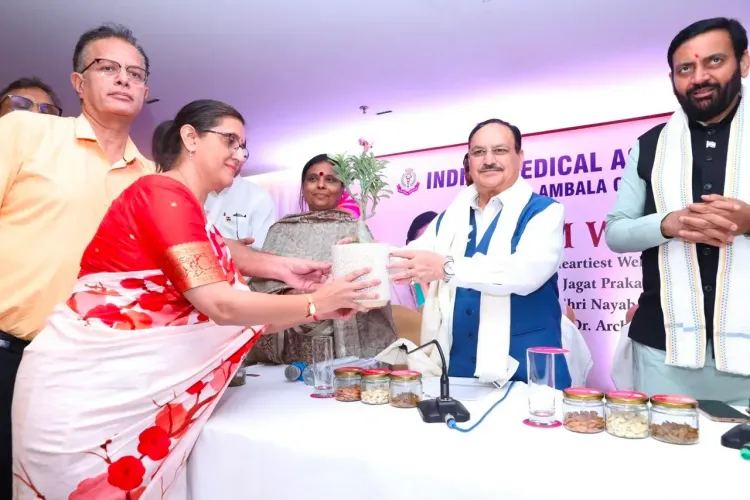
Union Health Minister J. P. Nadda met Indian Medical Association doctors in Ambala City on 6 July 2026, highlighting Ayushman Bharat PM-JAY, Ayushman Arogya Mandirs, digital health initiatives, and medical education expansion as pillars of India's healthcare transformation over 12 years under PM Modi.
Key Takeaways
Nadda met IMA healthcare professionals in Ambala City, Haryana on 6 July 2026 .
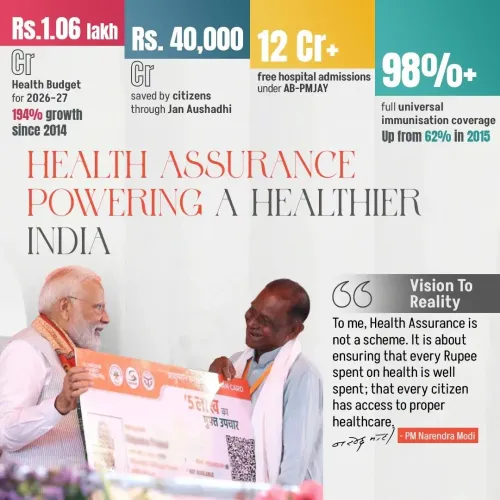
Ayushman Bharat PM-JAY , launched in 2018 , provides up to Rs 5 lakh annual health cover per family and is the world's largest government-funded health insurance scheme.
Ayushman Arogya Mandirs deliver comprehensive primary care including preventive and promotive health services at community level.
The National Digital Health Mission (2020) is building a unified digital health ID and records infrastructure across India.
Supply-side expansion under Pradhan Mantri Swasthya Suraksha Yojana has added new AIIMS campuses and upgraded government medical colleges since 2014 .
Nadda described doctors, nurses, and allied health workers as 'the backbone' of India's healthcare transformation.
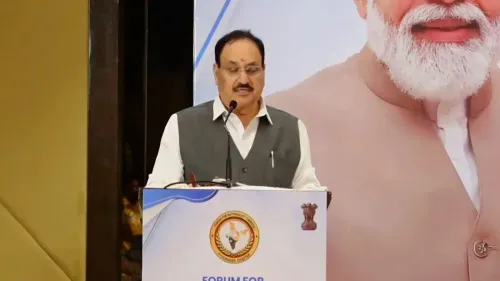
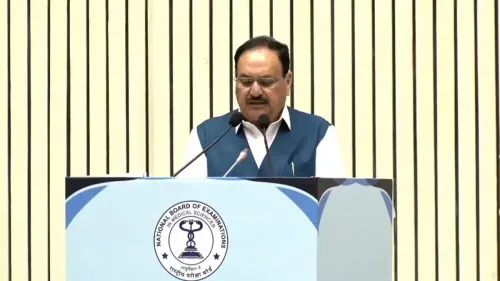
Union Health Minister J. P. Nadda met healthcare professionals of the Indian Medical Association (IMA) in Ambala City, Haryana, on Monday, 6 July 2026, underscoring the central government's record on health sector transformation over the past 12 years under Prime Minister Narendra Modi.
Context
Addressing IMA members, Nadda credited flagship programmes — Ayushman Bharat PM-JAY, Ayushman Arogya Mandirs, digital health interventions, and an expanded medical education network — for what he described as a 'remarkable transformation' of India's healthcare ecosystem. He called doctors, nurses, and allied healthcare professionals 'the backbone of this transformation.'
The Ambala interaction is part of a pattern of ministerial outreach to organised medical bodies, which serve as key interlocutors between the central government and practising clinicians on policy rollout.
Policy Backdrop
Ayushman Bharat PM-JAY, launched in 2018, is the world's largest government-funded health insurance scheme, providing up to Rs 5 lakh cover per family per year for secondary and tertiary hospitalisation. Its companion component, the Ayushman Arogya Mandirs — rebranded from Health and Wellness Centres — extends comprehensive primary care, including preventive and promotive services, to communities across the country.
The National Digital Health Mission, launched in 2020, underpins the digital health interventions Nadda referenced, creating unique health IDs and working toward integrated digital records across facilities. Parallel supply-side efforts since 2014 have added new AIIMS campuses and upgraded existing government medical colleges under the Pradhan Mantri Swasthya Suraksha Yojana.
These measures reflect the direction set by the National Health Policy 2017, which targeted raising public health expenditure to 2.5 per cent of GDP and strengthening primary care delivery.
Stakeholders and Impact
The IMA represents the largest organised body of registered medical practitioners in India and has historically engaged with the Health Ministry on issues ranging from clinical protocols to medical education reform. Nadda's meeting signals continued government interest in keeping professional associations aligned with national health priorities.
At the ground level, the programmes cited directly affect rural and low-income patients who depend on public facilities and insurance cover for hospitalisation costs. State health departments remain critical implementation partners, particularly for PM-JAY enrolment and Ayushman Arogya Mandir utilisation.
What's Next
Attention will now turn to parliamentary deliberations on the Health Ministry budget and any fresh agreements between the Centre and state governments on PM-JAY implementation. Periodic evaluation reports on Ayushman Arogya Mandir utilisation rates are also awaited and will offer a clearer picture of how far the primary-care network has penetrated underserved areas.
As the government approaches the completion of a full decade of the Ayushman Bharat architecture, Nadda's Ambala outreach suggests the BJP leadership is keen to consolidate professional and public support for the health agenda ahead of future policy announcements.
Point of View
Keeping the IMA — historically a vocal critic on issues like medical education norms — within the government's consultative orbit. By anchoring the interaction in a 12-year reform narrative, the BJP leadership is framing healthcare as a durable achievement rather than a work in progress, a posture that carries electoral as well as policy significance. The emphasis on digital health and primary care alongside insurance coverage signals that the government sees the next phase of reform as deepening existing architecture rather than introducing new flagship schemes. How effectively PM-JAY and the Ayushman Arogya Mandirs are actually reaching the intended beneficiaries will be the real test of that narrative.
NationPress
5 Oct 2026
Frequently Asked Questions
What is Ayushman Bharat PM-JAY and who is eligible?
Ayushman Bharat PM-JAY is the world's largest government-funded health insurance scheme, launched in 2018 , that provides up to Rs 5 lakh per family per year for secondary and tertiary hospitalisation. It targets economically vulnerable families identified through socio-economic census data.
What are Ayushman Arogya Mandirs?
Ayushman Arogya Mandirs are rebranded Health and Wellness Centres under the Ayushman Bharat programme, designed to deliver comprehensive primary healthcare — including preventive, promotive, and curative services — closer to communities, particularly in rural areas.
Why did J. P. Nadda meet IMA doctors in Ambala?
J. P. Nadda interacted with Indian Medical Association healthcare professionals in Ambala City on 6 July 2026 to discuss India's health sector progress and the role of medical professionals in advancing national health programmes.
What is the National Digital Health Mission?
The National Digital Health Mission , launched in 2020 , aims to create unique digital health IDs for citizens and integrate health records across facilities, forming the digital backbone of India's healthcare system.
What is J. P. Nadda's role in the Indian government?
J. P. Nadda serves as Union Minister of Health and Family Welfare and Minister of Chemicals and Fertilizers in the Government of India. He is also the national president of the Bharatiya Janata Party (BJP) .