Nadda Highlights 12 Years of Health Gains Under Modi
Synopsis
Union Health Minister J. P. Nadda on June 14, 2026 outlined 12 years of healthcare gains under PM Modi, citing AIIMS expansion from 8 to 23, over 42 crore eSanjeevani teleconsultations, 43 crore Ayushman Bharat cards, and India's dominant role in global generic medicine and vaccine supply.
Key Takeaways
The number of AIIMS in India has grown from 8 to 23 over the past 12 years under PM Modi's government.
The eSanjeevani telemedicine platform has completed more than 42 crore teleconsultations .
More than 43 crore Ayushman Bharat cards have been issued, providing health insurance to low-income families.
Over 90 crore digital health records have been created, and more than 19,000 Jan Aushadhi Kendras are operational.
India supplies 70% of global antiretroviral medicines , 55–60% of UNICEF's vaccine needs , and roughly 20% of global generic medicines .
The Ayushman Vay Vandana Yojana is among newer initiatives aimed at extending coverage to elderly and vulnerable groups.
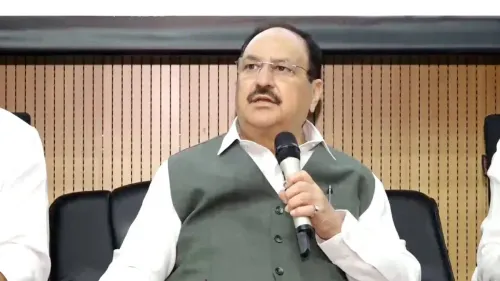
Union Health Minister J. P. Nadda on Sunday, June 14, 2026, took to X to catalogue what the government describes as sweeping achievements in India's healthcare sector over the past 12 years under Prime Minister Narendra Modi, citing expansion of premier medical institutions, digital health infrastructure, and India's growing role as a global pharmaceutical supplier.
Context
Posting under the hashtag #12YearsOfSwasthBharat, Nadda credited Modi's 'visionary leadership' for what he described as a 'comprehensive expansion' of health services — from COVID-19 management to the development of quality treatment facilities. The post arrives as the ruling BJP marks over a decade in government and seeks to consolidate its health-sector narrative ahead of future electoral cycles.
Nadda stated that the number of AIIMS (All India Institutes of Medical Sciences) in the country has grown from 8 to 23 in the past 12 years, adding premier tertiary-care capacity to states that previously had none. This expansion was anchored in the Pradhan Mantri Swasthya Suraksha Yojana, under which new AIIMS campuses were announced from 2015 onward.
Policy Backdrop
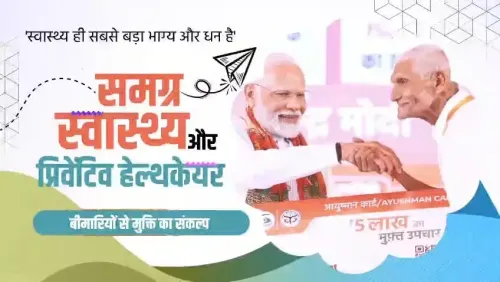
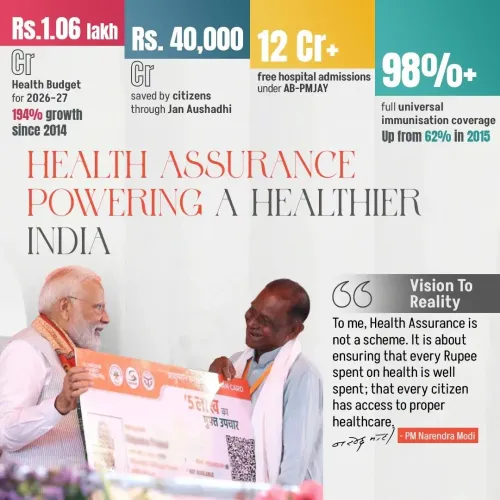
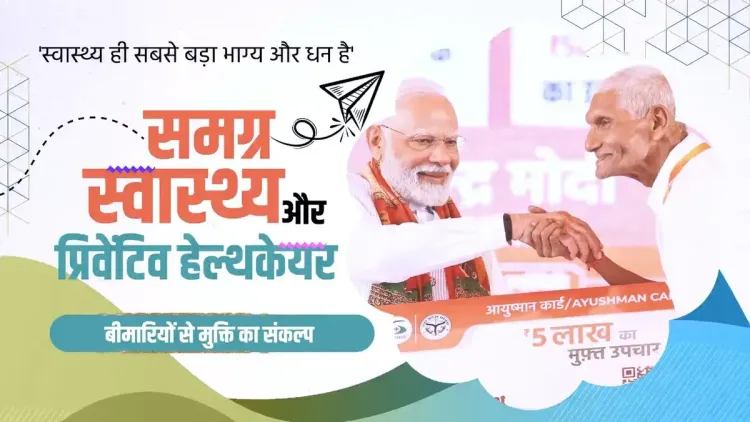
The minister highlighted that the government's telemedicine platform eSanjeevani has facilitated more than 42 crore teleconsultations, a figure that reflects the platform's aggressive scaling during and after the COVID-19 pandemic. More than 43 crore Ayushman Bharat cards have been issued, the post states, providing financial protection of up to Rs 5 lakh per family per year to crores of vulnerable households under the Pradhan Mantri Jan Arogya Yojana launched in 2018.
Nadda also pointed to 90 crore-plus digital health records, more than 19,000 Jan Aushadhi Kendras supplying affordable generic medicines, and the Ayushman Vay Vandana Yojana as measures that have made healthcare 'more accessible, affordable and people-centric.' The Pradhan Mantri Jan Aushadhi Yojana was relaunched and significantly scaled after 2014, with the kendra network expanding to reach smaller towns and rural areas.
Stakeholders and Impact
The primary beneficiaries of these programmes are low-income families and rural patients who previously faced high out-of-pocket healthcare expenditure. The Ayushman Bharat scheme specifically targets households at the bottom of the economic pyramid, while Jan Aushadhi Kendras cut medicine costs sharply against branded equivalents.
Nadda's post also underscored India's global pharmaceutical footprint, asserting that the country supplies 70% of the world's antiretroviral medicines, meets 55–60% of UNICEF's vaccine requirements, and accounts for nearly 20% of global generic medicine supply. These figures position India as what Nadda called an 'important player in the global health sector,' reinforcing the government's 'pharmacy of the world' branding for domestic manufacturers.
What's Next
Attention will now turn to the further operationalisation of newly built AIIMS campuses, potential expansions of Ayushman Bharat coverage in the upcoming health budget, and parliamentary scrutiny of digital health data protection rules governing the 90 crore-plus health records now held on government platforms.
With India's healthcare transformation framed as the foundation of a 'healthy, empowered and developed India,' the government's next policy signals on funding, staffing of new institutions, and insurance coverage limits will determine whether the momentum highlighted in Nadda's post translates into measurable improvements in health outcomes for the country's most vulnerable citizens.
Point of View
Timed to consolidate the BJP's decade-plus health narrative ahead of future electoral contests. By anchoring the message in specific, large-scale numbers — AIIMS count, crore-level beneficiaries, global pharmaceutical share — the party seeks to shift the health debate from access gaps to aggregate achievement. The framing of India as the 'pharmacy of the world' also serves a dual purpose: domestic political capital and international positioning at a time when global supply-chain resilience is under scrutiny. The real test of these claims will come from independent audits of scheme penetration, hospital staffing at new AIIMS campuses, and actual out-of-pocket expenditure trends among low-income households.
NationPress
26 Sept 2026
Frequently Asked Questions
How many AIIMS are there in India in 2026?
According to Union Health Minister J. P. Nadda's post on June 14, 2026, India now has 23 AIIMS , up from 8 before 2014. The expansion was driven by the Pradhan Mantri Swasthya Suraksha Yojana, which funded new campuses across previously underserved states.
How many Ayushman Bharat cards have been issued?
Nadda stated that more than 43 crore Ayushman Bharat cards have been issued, providing eligible low-income families with health insurance coverage of up to Rs 5 lakh per year under the Pradhan Mantri Jan Arogya Yojana.
What is eSanjeevani and how many consultations has it completed?
eSanjeevani is the Indian government's national telemedicine platform that connects patients with doctors remotely. As per Nadda's post, it has facilitated more than 42 crore teleconsultations , making it one of the largest public telemedicine systems in the world.
What is India's role in global medicine supply?
India supplies approximately 70% of the world's antiretroviral medicines , meets 55–60% of UNICEF's vaccine requirements , and accounts for nearly 20% of global generic medicine supply , according to figures cited by Health Minister Nadda, reinforcing India's status as the 'pharmacy of the world'.
What is the Jan Aushadhi Kendra scheme?
The Pradhan Mantri Jan Aushadhi Yojana operates a network of dedicated outlets — Jan Aushadhi Kendras — that sell quality generic medicines at significantly lower prices than branded alternatives. Nadda's post states there are now more than 19,000 such kendras across India.