Nadda Marks 12 Years of Modi Govt's Healthcare Gains
Synopsis
Union Health Minister J. P. Nadda marked 12 years of the Modi government's healthcare push on June 14, 2026, citing Ayushman Bharat PM-JAY, 23 AIIMS, and digital platforms like CoWIN and e-Sanjeevani as proof of an affordable, accessible health system for every Indian.
Key Takeaways
Union Health Minister J.
Nadda posted on June 14, 2026 , marking 12 years of the Modi government's healthcare record under #12YearsOfSwasthBharat .
Ayushman Bharat PM-JAY , launched in 2018 , provides up to Rs 5 lakh annual health coverage to economically vulnerable families.
India's AIIMS network has expanded from one institute to 23 campuses, alongside increases in MBBS and PG seats .
Digital platforms including CoWIN , U-WIN , e-Sanjeevani , and the Ayushman Bharat Digital Mission have reshaped how citizens register for and access health services.
Ayushman Arogya Mandirs (formerly Health and Wellness Centres) have extended primary and preventive care to underserved communities.
State-level rollout of U-WIN for routine immunisation and integration with digital health IDs remain key implementation priorities going forward.
Union Health Minister J. P. Nadda on Sunday, June 14, 2026, took to X to highlight what he described as 'unprecedented progress' in India's healthcare sector over the past 12 years under Prime Minister Narendra Modi, citing expanded medical infrastructure, digital health platforms, and insurance coverage as pillars of transformation.
Context
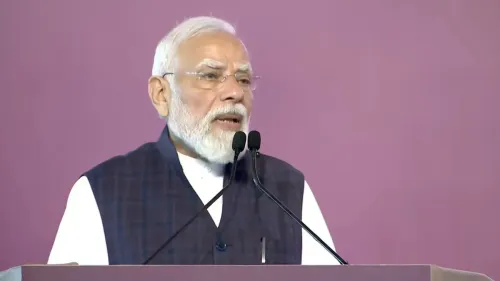
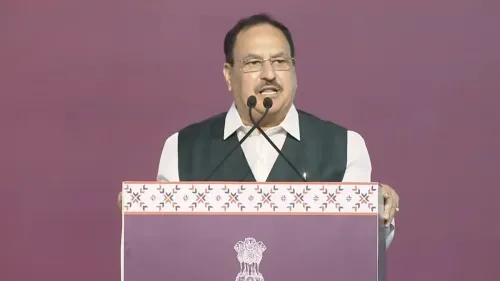
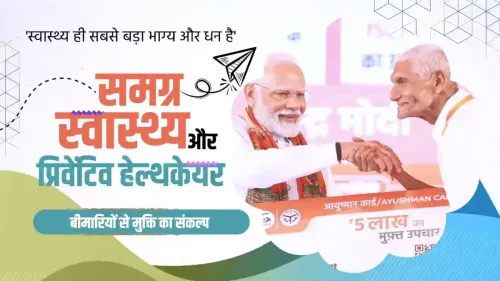
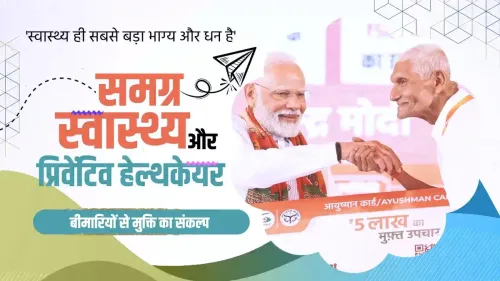
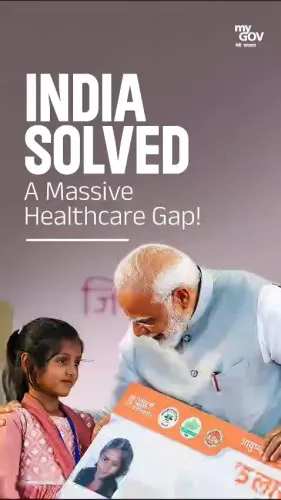
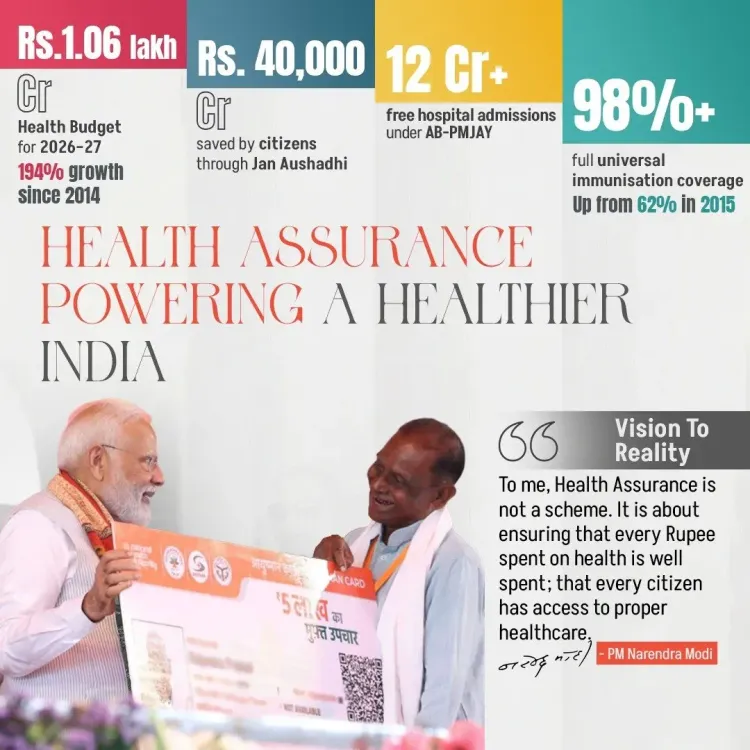
Nadda's post, tagged #12YearsOfSwasthBharat, frames the 12-year anniversary of the Modi government as a landmark moment for public health policy. 'A healthy citizen is the greatest strength of a strong nation,' he wrote, anchoring the anniversary message in a broader vision of national well-being. The post accompanied four images highlighting healthcare milestones.
The minister specifically named Ayushman Bharat PM-JAY, Ayushman Arogya Mandirs, the Ayushman Bharat Digital Mission, U-WIN, CoWIN, and e-Sanjeevani as platforms that have 'transformed the way citizens access healthcare services.' He also pointed to the expansion of MBBS and PG seats as critical to building a stronger medical workforce.
Policy Backdrop
Ayushman Bharat PM-JAY, launched in 2018, provides up to Rs 5 lakh annual health coverage for economically vulnerable families, targeting secondary and tertiary care. It remains one of the world's largest government-funded health insurance programmes by beneficiary count. The accompanying Health and Wellness Centres — now rebranded as Ayushman Arogya Mandirs — extended preventive and primary care to the last mile.
The Ayushman Bharat Digital Mission, announced in 2020 as the National Digital Health Mission, has built a national digital health ecosystem encompassing unique health IDs, electronic health records, and telemedicine linkages. CoWIN, originally developed for COVID-19 vaccine registration and certificate issuance, has since been adapted for routine immunisation record-keeping. e-Sanjeevani has enabled remote teleconsultations, particularly benefiting patients in rural and underserved areas.
On infrastructure, Nadda highlighted a historic shift: from one AIIMS and one PGIMER to 23 AIIMS across the country today. This expansion is rooted in the Pradhan Mantri Swasthya Suraksha Yojana, phases of which have been implemented since 2006, with significant acceleration post-2014 under the current government.
Stakeholders and Impact
The primary beneficiaries of these programmes span a wide demographic: rural patients accessing telemedicine through e-Sanjeevani, economically vulnerable families covered under PM-JAY, and medical students who now have access to more seats in government medical colleges. The combined effect, the government argues, is a healthcare system that is simultaneously more affordable and more accessible.
The digital platforms — CoWIN, U-WIN, and the Ayushman Bharat Digital Mission — represent a structural shift in how citizens interact with the health system, moving from paper-based, facility-dependent processes to portable, digitally verifiable health records and registrations. State-level operationalisation of U-WIN for routine immunisation and deeper integration with Ayushman Bharat Digital Mission health IDs remain active areas of implementation.
What's Next
Nadda's post signals that the BJP-led government intends to keep healthcare as a central political and policy narrative heading further into its current term. The framing of 12 years as a coherent arc — from foundational insurance schemes to pandemic-era digital infrastructure — sets the stage for the government to present health outcomes as a deliverable of long-term governance, not episodic intervention.
Driven by what Nadda describes as PM Modi's vision, the government's stated goal is a healthcare system that is 'affordable, accessible and compassionate, ensuring a healthier future for every Indian.' Deeper integration of digital health IDs with insurance and immunisation platforms will be the practical test of whether that vision translates into seamless citizen experience at the ground level.
Point of View
Using the 12-year milestone to consolidate the government's healthcare narrative ahead of future electoral cycles. By listing specific schemes — PM-JAY, AIIMS expansion, digital platforms — rather than speaking in abstractions, the BJP is positioning health delivery as a measurable governance achievement, not merely an aspiration. The move also signals that the party sees healthcare as a vote-getter among rural and lower-income demographics, who are the primary beneficiaries of both insurance and telemedicine outreach. The broader arc, from bricks-and-mortar AIIMS campuses to pandemic-forged digital infrastructure, suggests a deliberate effort to present health policy as both legacy-building and future-ready.
NationPress
24 Sept 2026
Frequently Asked Questions
What is Ayushman Bharat PM-JAY and who does it cover?
Ayushman Bharat PM-JAY is a government health insurance scheme launched in 2018 that provides up to Rs 5 lakh per year in coverage for secondary and tertiary hospitalisation to economically vulnerable Indian families. It is one of the largest such programmes in the world by beneficiary count.
How many AIIMS are there in India now?
According to Union Health Minister J. P. Nadda 's post on June 14, 2026 , India now has 23 AIIMS , up from the original single institute in New Delhi , marking a historic expansion of advanced medical infrastructure.
What is the Ayushman Bharat Digital Mission?
The Ayushman Bharat Digital Mission is a national digital health ecosystem that creates unique health IDs for citizens, enables electronic health records, and links telemedicine and insurance services across public and private facilities. It was announced in 2020 as the National Digital Health Mission.
What is e-Sanjeevani used for?
e-Sanjeevani is a government telemedicine platform that allows patients, particularly in rural and underserved areas, to consult doctors remotely, reducing the need to travel to hospitals for non-emergency care.
What is U-WIN in the context of Indian healthcare?
U-WIN is a digital platform designed to manage and track routine immunisation records across India, building on the infrastructure and lessons of the CoWIN system developed during the COVID-19 vaccination drive. Its state-level operationalisation is an active implementation priority.