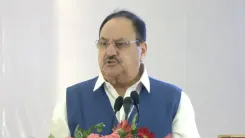
Amit Shah marks 5 years of Ministry of Cooperation
Synopsis
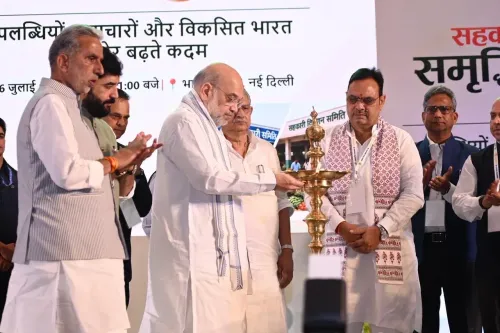
Union Home Minister Amit Shah marked five years of the Ministry of Cooperation at a live event in New Delhi on 6 July 2026, reaffirming the government's 'Sahkar Se Samriddhi' vision of transforming crores of lives through the cooperative model.
Key Takeaways
The Ministry of Cooperation completed five years on 6 July 2026 , marked by a live event in New Delhi .
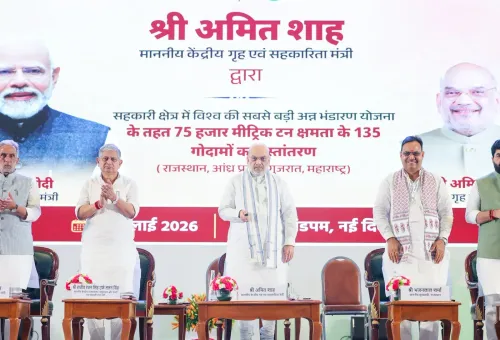
Union Home Minister Amit Shah , who also holds the Cooperation portfolio, addressed the anniversary event and broadcast it live on X.
The ministry was established in July 2021 as India's first standalone central ministry dedicated to the cooperative sector.
The guiding motto 'Sahkar Se Samriddhi' (prosperity through cooperation) has framed the ministry's five-year policy direction.
Key beneficiaries include cooperative societies and rural farmers across India, spanning dairy, credit, sugar, and housing sectors.
Legislative and regulatory changes affecting multi-state cooperatives remain on the policy agenda as the ministry enters its next phase.
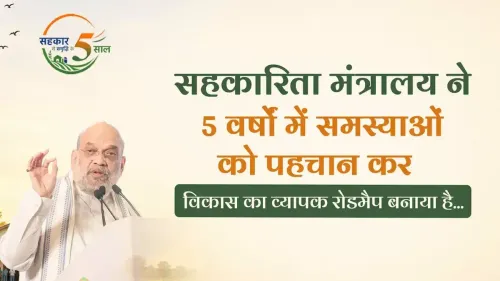
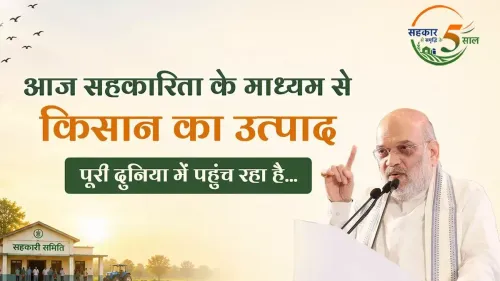
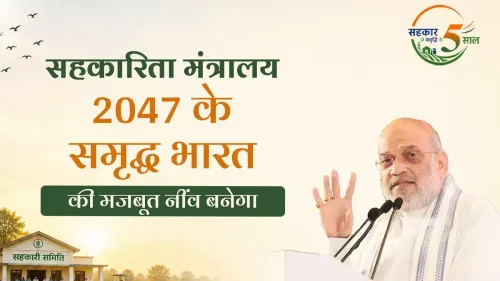
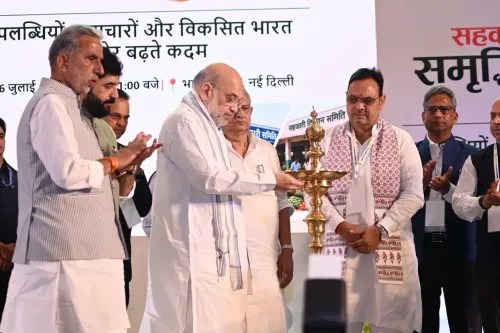
Union Home Minister and Minister of Cooperation Amit Shah addressed a live event in New Delhi on Monday, 6 July 2026, marking the completion of five years of the Ministry of Cooperation, underscoring the government's claim that the ministry has transformed the lives of crores of Indians through the 'Sahkar Se Samriddhi' (prosperity through cooperation) vision.
Context
Shah posted on X that the Ministry of Cooperation has, over the past five years, worked on the mantra of 'Sahkar Se Samriddhi' — 'prosperity through cooperation' — and has been 'bringing change in the lives of crores of people.' The post included a link to a live broadcast of the anniversary event held in New Delhi.
The ministry was established in July 2021 as a standalone central ministry, the first of its kind dedicated exclusively to the cooperative sector. Before its creation, cooperative affairs were handled as a sub-domain within the agriculture or rural development ministries.
Policy Backdrop
The creation of the Ministry of Cooperation in 2021 marked a deliberate policy shift — elevating cooperatives from a peripheral concern to a distinct governance domain. The cooperative movement in India has roots in early 20th-century legislation and has long been seen as a vehicle for rural financial inclusion and grassroots economic activity.
The ministry's founding motto, 'Sahkar Se Samriddhi', was framed as a guiding principle to channel the cooperative model toward broader rural prosperity. Amit Shah has held the Cooperation portfolio since the ministry's inception, making him the architect of its policy direction over this five-year period.
Stakeholders and Impact
The primary beneficiaries of the ministry's work are cooperative societies and rural farmers across India, who rely on the cooperative network for credit, input supply, and market access. The cooperative sector spans dairy, sugar, fertiliser, credit, and housing, touching millions of households in both rural and semi-urban areas.
Multi-state cooperatives and state-level cooperative federations are key institutional stakeholders, as any central regulatory or legislative change directly affects their operations and governance structures.
What's Next
The fifth-anniversary event signals that the ministry is likely to use this milestone to announce or review its legislative and regulatory agenda, particularly concerning multi-state cooperatives and the deepening of central schemes at the state level. Further reforms to cooperative governance frameworks remain on the policy watch-list as the ministry enters its second five-year phase.
The government's continued emphasis on 'Sahkar Se Samriddhi' suggests cooperatives will remain a central pillar of its rural economy strategy ahead of future electoral and budgetary cycles.
Point of View
The government has signalled that cooperative reform is a top-tier political priority, not a technocratic afterthought. The live broadcast of the event on X reflects a deliberate communication strategy to reach cooperative society members and rural stakeholders directly. Whether the ministry's second phase delivers measurable legislative reform — particularly on multi-state cooperatives — will determine how durable this policy legacy proves to be.
NationPress
6 Jul 2026
Frequently Asked Questions
When was the Ministry of Cooperation established in India?
The Ministry of Cooperation was established in July 2021 by the Government of India as the country's first standalone central ministry dedicated to the cooperative sector.
What does 'Sahkar Se Samriddhi' mean?
'Sahkar Se Samriddhi' is a Hindi phrase meaning 'prosperity through cooperation.' It is the official motto of India's Ministry of Cooperation, reflecting the government's goal of improving rural livelihoods through the cooperative model.
Who is the Minister of Cooperation in India?
Amit Shah , who also serves as Union Home Minister, has held the Cooperation portfolio since the ministry was created in July 2021 .
What does the Ministry of Cooperation do?
The Ministry of Cooperation promotes and regulates India's cooperative sector, which spans dairy, credit, sugar, fertiliser, and housing cooperatives, with a focus on rural financial inclusion and grassroots economic activity.
What was the five-year anniversary event of the Ministry of Cooperation about?
On 6 July 2026 , the Ministry of Cooperation held a live event in New Delhi to mark its fifth anniversary, with Amit Shah addressing the gathering and reaffirming the 'Sahkar Se Samriddhi' vision.