Amit Shah marks 5 years of Ministry of Cooperation in New Delhi
Synopsis
Union Home Minister Amit Shah on 6 July 2026 marked five years of the Ministry of Cooperation at a New Delhi event, highlighting cooperative outreach across agriculture, dairy, banking, logistics and mobility and reaffirming the government's village-to-global-market cooperative model.
Key Takeaways
The Ministry of Cooperation completed five years on 6 July 2026 , having been established by bifurcating functions from the Ministry of Agriculture in July 2021.
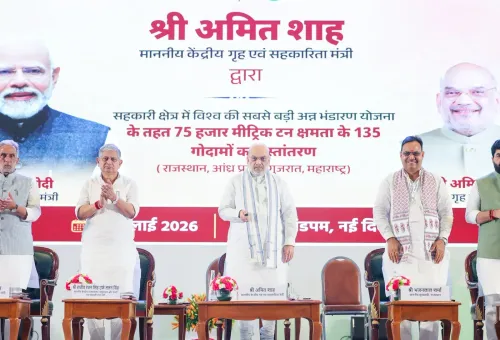
Union Home Minister Amit Shah attended an anniversary event in New Delhi and interacted with cooperative-sector representatives from across India.
The ministry's work spans five sectors : agriculture, dairy, banking, logistics and mobility.
The government's stated goal is to empower farmers, rural women and youth while strengthening the broader economy through the cooperative model.
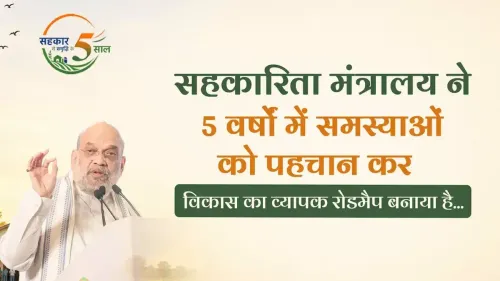
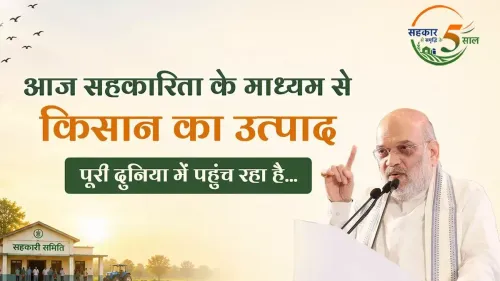
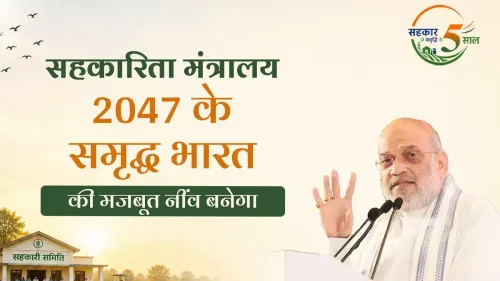
The Sahkar Se Samridhi campaign frames the cooperative sector as a vehicle connecting village-level institutions to national and global markets.
Further amendments to multi-state cooperative laws are anticipated in upcoming parliamentary sessions.
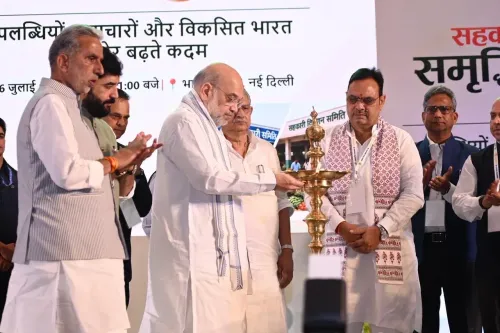
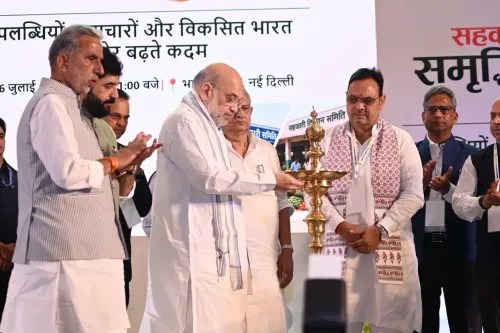
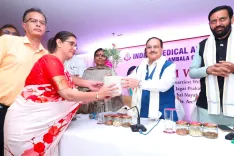
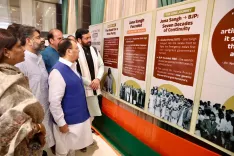
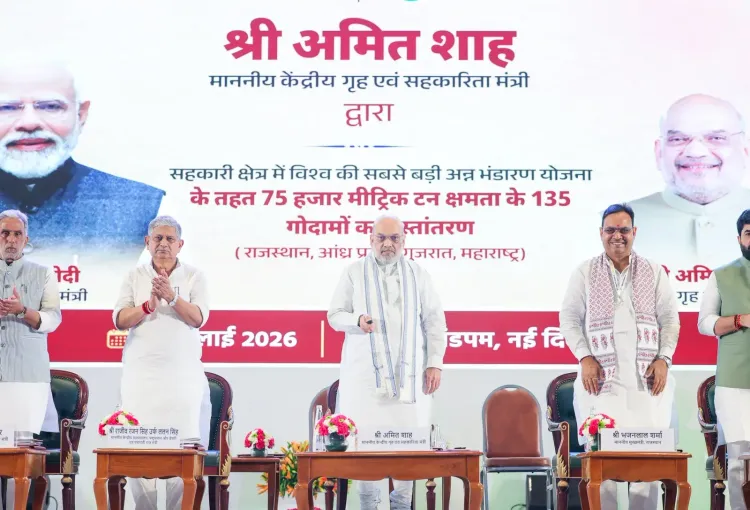
Union Home Minister and Minister of Cooperation Amit Shah on Monday, 6 July 2026, marked the fifth anniversary of the Ministry of Cooperation at an event in New Delhi, interacting with cooperative-sector stakeholders from across the country and reaffirming the government's push to build a cooperative model stretching from villages to global markets.
Context
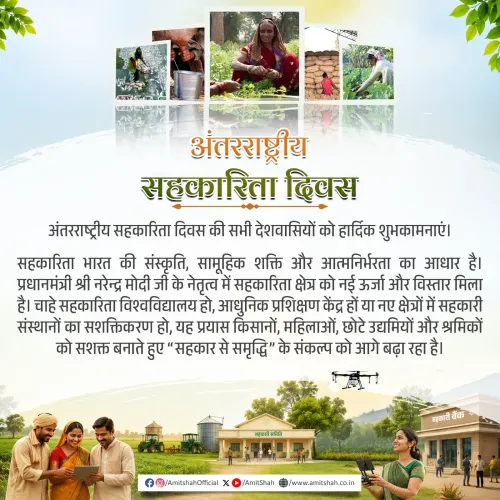
Shah posted on X in Hindi, stating that the ministry was established five years ago under what he described as Prime Minister Narendra Modi's 'far-sighted leadership' with the goal of making 'farmers prosperous, women empowered, youth self-reliant and the country's economy strong.' He added that under the hashtag #SahkarSeSamriddhiKe5Saal ('Five years of prosperity through cooperation'), people connected to sectors such as agriculture, dairy, banking, logistics and mobility are being empowered, and a 'strong and successful model of cooperation' is being established from the village level to the global marketplace.
At the anniversary event in New Delhi, Shah said he interacted directly with cooperative-sector representatives who had travelled from across India for the occasion.
Policy Backdrop
The Ministry of Cooperation was carved out of the Ministry of Agriculture and formally established on 6 July 2021, making the anniversary event a precise five-year milestone. The creation of a standalone ministry was presented by the government as recognition that the cooperative sector — encompassing rural credit, marketing, dairy and consumer cooperatives — warranted dedicated administrative focus rather than being a sub-portfolio within agriculture.
The move built on the long-standing role of cooperative institutions in Indian rural life, from village-level credit societies to large dairy federations such as Amul, which have served as templates for scaling grassroots enterprise. The ministry has since worked on amendments to multi-state cooperative laws and on integrating cooperatives into newer domains including logistics and mobility.
Stakeholders and Impact
Shah's post cited cooperative outreach across agriculture, dairy, banking, logistics and mobility as the five pillars of the ministry's work over the past five years. The government's stated aim is to connect rural cooperative structures to national and international markets, addressing both income support and governance gaps within existing cooperative frameworks.
Key beneficiary groups identified by the ministry include cooperative farmers, rural women's self-help and cooperative groups, and members of cooperative banks. The integration of logistics and mobility into the cooperative fold represents a newer frontier, seeking to reduce post-harvest losses and lower transaction costs for rural producers.
What's Next
The anniversary event signals continued political priority for the cooperative sector as the government looks toward further legislative action, including potential amendments to multi-state cooperative society laws in upcoming parliamentary sessions. The Sahkar Se Samridhi ('Prosperity through cooperation') campaign framing is expected to serve as a communications anchor for the ministry's next phase of outreach and policy rollout, with an emphasis on deepening cooperative penetration in banking and rural supply chains.
Point of View
Dairy, banking, logistics, mobility), the government signals an intent to expand the cooperative model well beyond its traditional agrarian base. Shah's direct interaction with stakeholders from across India reinforces his personal ownership of the cooperation portfolio, which has become a distinct policy identity for him alongside the home ministry. The legislative agenda — particularly multi-state cooperative law amendments — will be the real test of whether the ministry's ambitions translate into durable institutional change.
NationPress
6 Jul 2026
Frequently Asked Questions
When was the Ministry of Cooperation established in India?
The Ministry of Cooperation was established on 6 July 2021 , carved out of the Ministry of Agriculture to provide dedicated focus to India's cooperative sector.
What is Sahkar Se Samridhi?
Sahkar Se Samridhi , meaning 'Prosperity through cooperation,' is the government's campaign framing for cooperative-led rural development, covering agriculture, dairy, banking, logistics and mobility.
Who is the Minister of Cooperation in India?
Amit Shah , who also serves as Union Home Minister, holds the Cooperation portfolio and has overseen the ministry since its creation in 2021.
What sectors does the Ministry of Cooperation cover?
The ministry's work spans agriculture, dairy, banking, logistics and mobility, aiming to connect village-level cooperative institutions to national and global markets.
What legislative changes are expected for cooperatives in India?
Amendments to multi-state cooperative society laws are anticipated in upcoming parliamentary sessions as part of the ministry's next phase of policy action.