Amit Shah: Railway electrification jumps from 30% to 99.6% under Modi
Synopsis
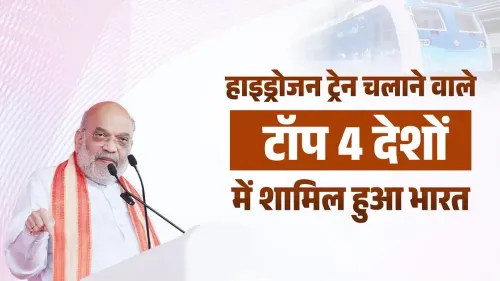
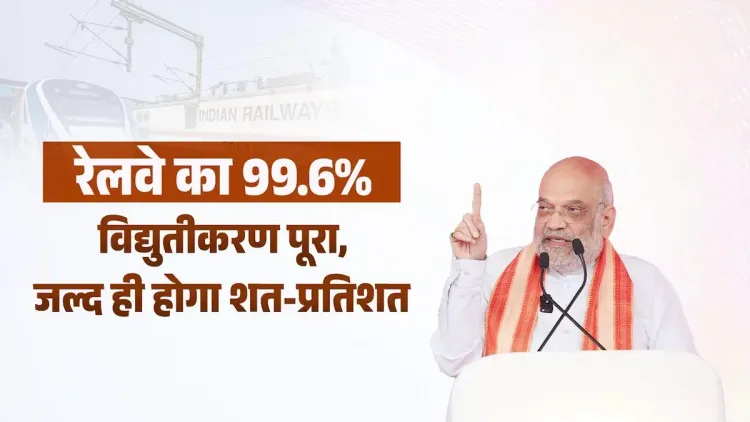
Union Home Minister Amit Shah highlighted that Indian Railways electrification surged from 30% at independence to 2014 to 99.6% under the Modi government, with full 100% electrification projected within the next year — marking one of independent India's most dramatic infrastructure accelerations.
Key Takeaways
30% to 99.6%: Indian Railways electrification rose from roughly 30% (at independence through 2014) to 99.6% under the Modi government, as stated by Amit Shah on September 27, 2026 .
100% target: Shah stated full electrification of the network will be achieved within the next year.
Mission-mode drive: The Ministry of Railways formally adopted a full broad-gauge electrification mission in 2017 , backed by successive railway budgets.
Massive network: Indian Railways covers over 68,000 route kilometres , making this one of the largest rail electrification projects globally.
Cost and climate dividend: Shifting from diesel to electric traction cuts operating costs significantly and reduces carbon emissions, supporting India's energy-security goals.
Next checkpoint: Official confirmation expected in upcoming Railway Board progress reports and the forthcoming Union Budget .
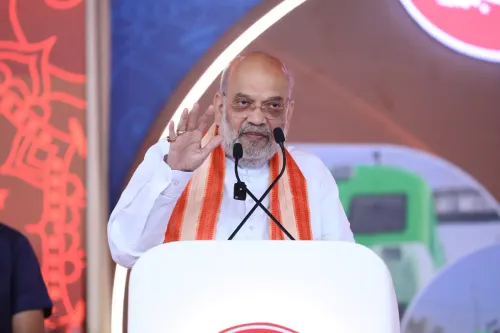
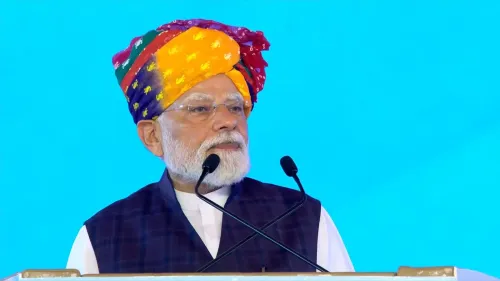
From just 30 percent electrified track in 67 years of independence to nearly a fully electric national network in little over a decade — Union Home Minister Amit Shah on Sunday, September 27, 2026, put that transformation in stark numerical relief, declaring that Indian Railways now stands at 99.6% electrification and will hit the full 100% mark within the next year.
Shah's post in Hindi noted pointedly: 'Aazadi ke baad se 2014 tak railway ka maat 30% vidyuteekaran ho paya tha, jabki Modi sarkar mein yeh 99.6% tak pahunch chuka hai aur agle varsh shat-pratishat ho jaayega' — 'From independence until 2014, only 30% of the railway network could be electrified, whereas under the Modi government it has reached 99.6% and will become 100% in the coming year.'
Seven decades of slow progress, one decade of sprint
Indian Railways spans over 68,000 route kilometres and is among the world's largest rail networks. Electrification crawled through successive five-year plans after 1947, with diesel traction dominating vast stretches of the network well into the 2010s. By the early 2010s — more than six decades after independence — only roughly 30 percent of the broad-gauge network ran on electric traction.
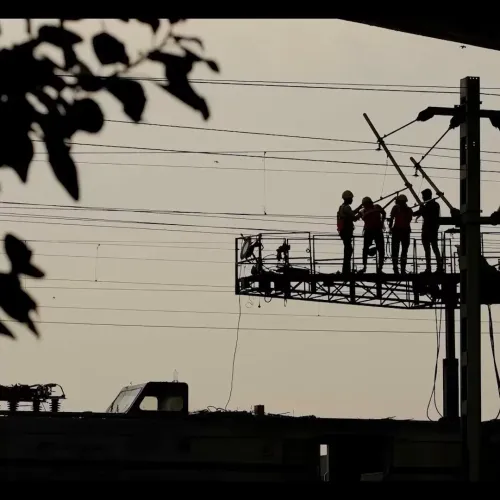
The shift in ambition came after 2014. The Ministry of Railways formally adopted a mission-mode electrification drive in 2017, and successive railway budgets channelled capital into traction infrastructure at a pace not seen before. The goal: eliminate diesel dependency on the main network entirely.
Why electrification is more than an infrastructure milestone
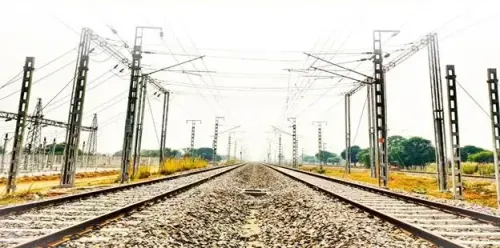
The drive to electric traction is not just about modernisation optics. Diesel traction is expensive — Indian Railways has historically spent tens of thousands of crores annually on diesel fuel — and carbon-intensive. Switching to electric traction slashes operating costs per kilometre, reduces emissions, and plugs into India's growing renewable energy capacity. Every electrified route is also a route that can, in principle, run on solar or hydro power rather than imported oil.
For freight operators, electrification on key corridors directly complements the Dedicated Freight Corridor project, enabling heavier, faster electric freight trains. For passengers, it means cleaner, quieter, and faster journeys on an expanding share of the network.
What the final 0.4% and the 100% target mean in practice
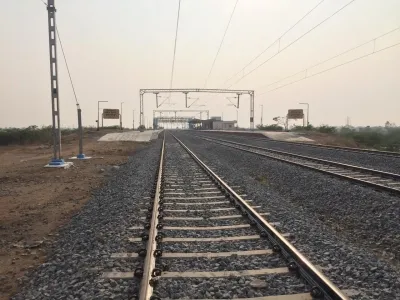
Shah's claim that 100% electrification will be achieved 'next year' refers to the completion of the remaining sections of the broad-gauge network. Official confirmation of that milestone is expected through the Railway Board's progress reports and could feature as a headline announcement in the forthcoming Union Budget. Reaching that figure would make India one of the few large national rail networks in the world to achieve full broad-gauge electrification — a landmark that successive governments had targeted but not reached.
Point of View
Concrete metric (electrification percentage) as evidence of generational governance failure corrected. The 30%-versus-99.6% contrast is designed to be devastatingly simple, and on infrastructure timelines it largely holds up. The broader significance is that achieving full electrification on a 68,000-km network would give India a genuine global benchmark at a time when rail decarbonisation is a live international policy debate. The political subtext is equally clear: with a Union Budget cycle approaching, the ruling dispensation is keen to cement the narrative that infrastructure delivery under this government has been qualitatively different from all predecessors.
NationPress
28 Sept 2026
Frequently Asked Questions
What is the current railway electrification percentage in India?
According to Union Home Minister Amit Shah , Indian Railways has achieved 99.6% electrification as of 2026, up from just 30% at the time of the 2014 change of government.
When will Indian Railways achieve 100% electrification?
Amit Shah stated on September 27, 2026 that Indian Railways will achieve 100% electrification within the next year , completing the remaining broad-gauge sections.
Why is railway electrification important for India?
Electrification eliminates costly diesel fuel dependence, cuts carbon emissions, lowers per-kilometre operating costs, and enables trains to run on renewable energy — all critical for India's energy security and climate commitments.
How much of Indian Railways was electrified before 2014?
Only about 30 percent of the railway network had been electrified in the nearly seven decades from independence in 1947 through 2014, according to Amit Shah's statement.
Which ministry oversees Indian Railways electrification?
The Ministry of Railways oversees all electrification policy and projects. It formally adopted a mission to electrify the entire broad-gauge network in 2017 , reinforced in subsequent railway budgets.