Amit Shah shares RSS centenary closing speech by Mohan Bhagwat
Synopsis
Union Home Minister Amit Shah shared RSS chief Dr. Mohan Bhagwat's keynote address at the Rashtriya Swayamsevak Sangh's centenary closing ceremony in Nagpur, highlighting calls for national unity, Sanatan culture and vigilance against divisive forces.
Key Takeaways
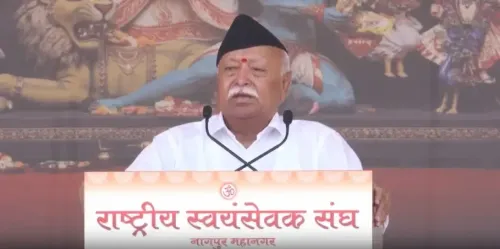
Union Home Minister Amit Shah shared the RSS centenary closing ceremony speech by Dr.
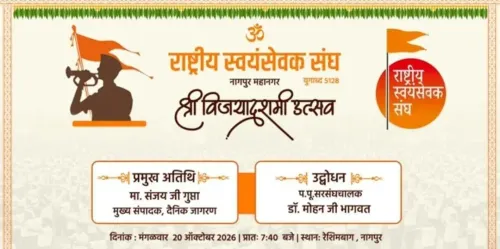
Mohan Bhagwat on October 20, 2026 .
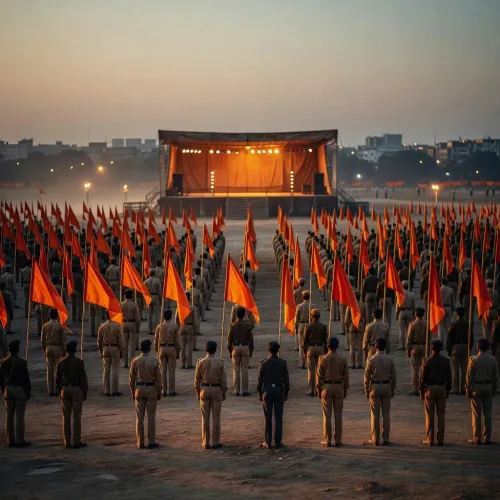
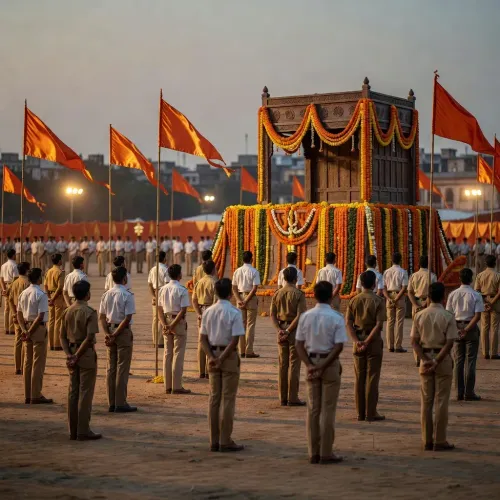
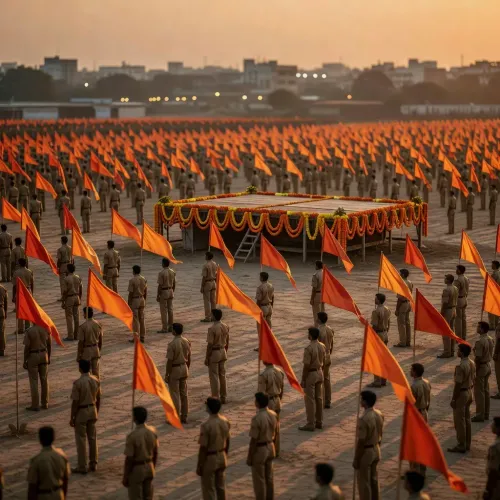
The ceremony was held in Nagpur , the founding city and headquarters of the RSS, marking 100 years since the organisation's establishment in 1925 .
Bhagwat's address, per Shah's summary, focused on Sanatan culture , national unity, social harmony and alertness against forces 'spreading anarchy.' Shah described the speech as an 'invigorating address' and urged followers to watch the full video, sharing a direct link.
Bhagwat has served as RSS Sarsanghchalak since 2009 , regularly delivering addresses on cultural continuity and national integrity at major organisational events.
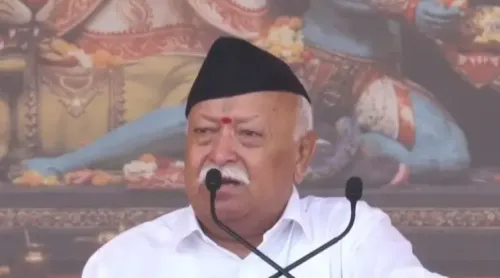
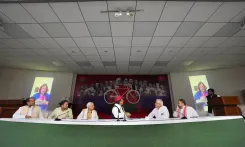
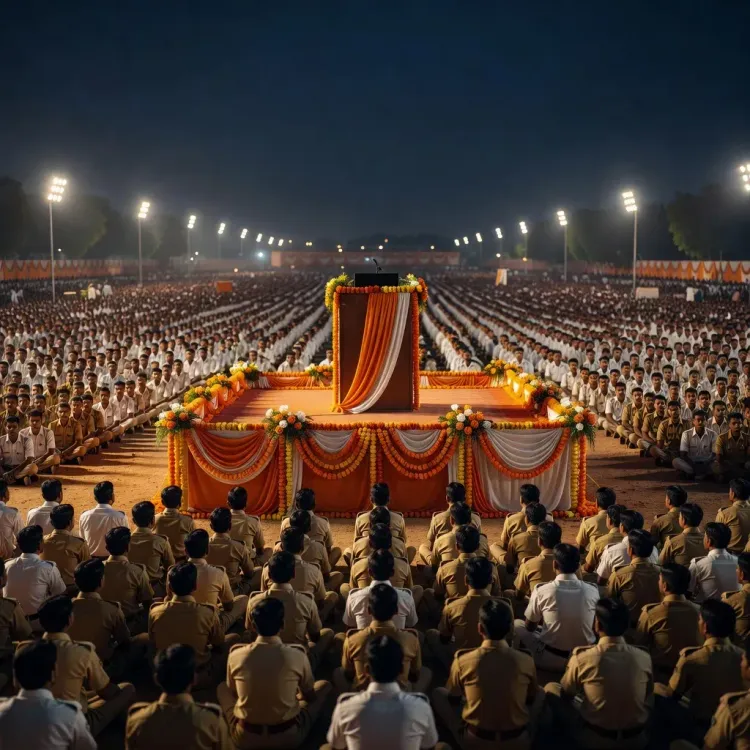
A century in the making, and the closing note rang out from Nagpur — the very city where the Rashtriya Swayamsevak Sangh was born in 1925. Union Home Minister Amit Shah took to X on Tuesday, October 20, 2026, to share the keynote address delivered by RSS chief Dr. Mohan Bhagwat at the organisation's centenary year closing ceremony, calling it an 'invigorating address dedicated to national unity, integrity and a glorious future.'
Shah, posting in Hindi, described Bhagwat as 'pūjanīya Sarsanghchalak' (revered chief) and summarised the address as carrying a 'powerful message of Sanatan culture, national unity and social harmony.' He urged followers to watch the full speech, linking directly to the video. The centenary year marks 100 years since the RSS was founded in Nagpur in 1925 by Dr. Keshav Baliram Hedgewar.
Bhagwat's three-point call from Nagpur
According to Shah's characterisation of the speech, Bhagwat delivered three interlocking appeals: a reaffirmation of Sanatan culture as a civilisational anchor, a warning to stay alert against 'forces trying to break the country and spread anarchy in society,' and a call to build a 'united, organised and capable society.' These are recurring themes at major RSS conclaves — but the centenary platform lent them unusual symbolic weight.
The RSS, which operates through a nationwide network of shakhas (daily local gatherings), has consistently used landmark organisational events to articulate its vision of Hindu cultural nationalism and social service. Bhagwat, who has led the organisation since 2009, has over the years addressed issues ranging from caste harmony to border security from the same Nagpur stage.
Why a Union Home Minister amplified the message
Shah's decision to post the address is consistent with the long-standing organisational overlap between the BJP's senior leadership and the RSS. The Home Minister himself rose through BJP structures that have deep ideological roots in the sangh. Public endorsement of RSS events by cabinet ministers has become a routine feature of India's political communication landscape — though the centenary closure gives this particular post an exceptional historical framing.
The amplification by one of the country's most powerful ministers ensures the speech travels well beyond the rally grounds in Nagpur, reaching millions of followers across social media at a moment when the RSS's hundred-year arc is itself a subject of broad national commentary.
One hundred years after a small group of men gathered in Nagpur and swore themselves to a vision of Hindu cultural revival, the organisation's chief stood at the same city and called for vigilance and unity — and India's Home Minister told the country: listen to every word.
Point of View
However, elevates this from routine political communication to a historically freighted endorsement — the first time in the RSS's hundred-year history that a sitting Union Home Minister has broadcast the organisation's closing keynote to a national social media audience. The themes Bhagwat articulated — civilisational continuity, social cohesion, vigilance against internal disruption — align closely with the BJP government's own stated security and cultural policy framing, signalling that the RSS-BJP ideological convergence remains publicly foregrounded ahead of any coming electoral cycle.
NationPress
20 Oct 2026
Frequently Asked Questions
What did Mohan Bhagwat say at the RSS centenary closing ceremony?
According to Union Home Minister Amit Shah's post, Bhagwat delivered a message centred on Sanatan culture, national unity and social harmony, and called on people to remain alert against forces seeking to 'break the country and spread anarchy,' while urging the building of a united and capable society.
Where was the RSS centenary closing ceremony held?
The ceremony was held in Nagpur , Maharashtra — the founding city and permanent headquarters of the Rashtriya Swayamsevak Sangh.
When was the RSS founded and what does the centenary mark?
The RSS was founded on September 27, 1925 , in Nagpur by Dr. Keshav Baliram Hedgewar. The centenary year marks 100 years of the organisation's existence.
Why did Amit Shah share Mohan Bhagwat's RSS speech?
Shah, a senior BJP leader with longstanding RSS organisational roots, shared the address to amplify its message of national unity and cultural continuity, calling it an 'invigorating address' and urging followers to watch it in full.
Who is the Sarsanghchalak of the RSS?
Dr. Mohan Bhagwat is the Sarsanghchalak — the supreme head — of the Rashtriya Swayamsevak Sangh. He has held the position since 2009 .