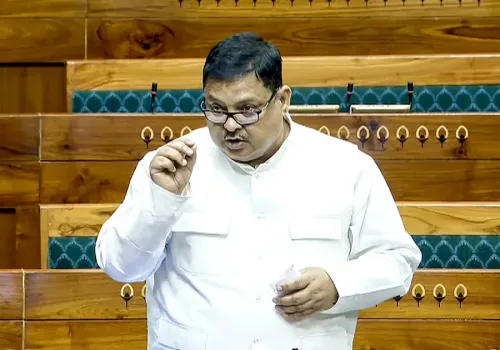
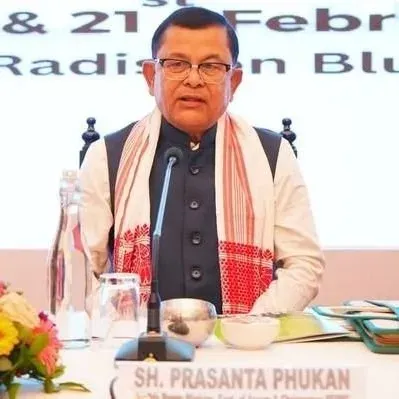
Assam BJP MLA Prashanta Phukan blames global conflicts for price rise
Synopsis
A senior Assam BJP MLA has deflected domestic inflation criticism by pointing squarely at global conflicts and supply chain disruptions — echoing the party’s national line. With opposition pressure mounting over rising essential commodity prices, the BJP’s ‘global factors’ argument is becoming its primary political shield on inflation.
Key Takeaways
Prashanta Phukan , senior BJP MLA and former Assam minister, attributed price rise to global conflicts and geopolitical instability on Monday .
Phukan stated that wars and conflicts worldwide have disrupted supply chains, pushing up prices of essential commodities.
He expressed optimism that inflationary pressure would ‘gradually ease’ as the global situation stabilises.
Rising prices of fuel, food, and daily-use items have become a major political flashpoint, with opposition parties targeting BJP -led governments at the Centre and in states.
Phukan’s remarks reflect the BJP ’s consistent position that global factors, not domestic policy failures, are the primary driver of inflation.
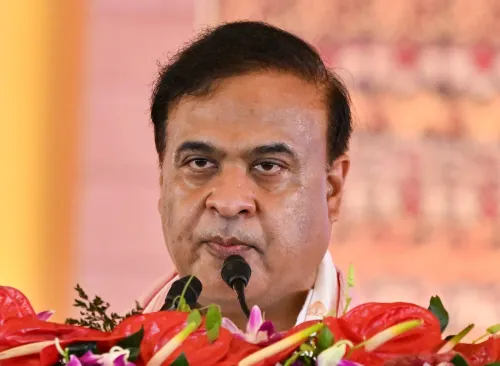
Senior Bharatiya Janata Party (BJP) legislator and former Assam minister Prashanta Phukan on Monday attributed the ongoing surge in prices of essential commodities to global conflicts and geopolitical instability, expressing confidence that inflationary pressures would ease in the months ahead. Phukan made the remarks while speaking to reporters in Guwahati.
Global Conflicts at the Root, Says Phukan
The BJP MLA argued that inflation is not a problem confined to Assam or India, but a symptom of a wider global economic disruption. “The price rise that we are witnessing today is linked to a global situation. Wars and conflicts are taking place across the world, and these developments are having an impact on the economy and prices everywhere,” Phukan said.
He added that ongoing international conflicts have fractured supply chains and created sustained pressure on the availability and cost of essential goods. “The environment that has been created because of the conflicts is one of the major reasons behind the inflationary trend,” he noted.
Optimism on Recovery
Despite the current strain, Phukan expressed measured optimism. “I believe that after some time, the situation will improve. Slowly and steadily, things will move towards a better condition,” he said. He maintained that once geopolitical tensions stabilise, the pressure on commodity prices should correspondingly ease.
Political Context
The remarks come at a charged moment in India’s political calendar. Rising costs of fuel, food, and daily-use items have emerged as a central opposition talking point, with multiple parties repeatedly holding the BJP-led Centre and state governments accountable for inflation. The BJP’s consistent counter-argument — that global factors, not domestic policy, are the primary driver — is reflected in Phukan’s comments.
Party Line and Broader Implications
Phukan’s position aligns with the broader BJP stance that supply chain disruptions stemming from international conflicts have contributed significantly to price increases across the economy. Notably, this framing shifts the accountability debate from domestic fiscal and monetary management toward external, largely uncontrollable variables. As global conflict dynamics evolve, the political and economic narrative around inflation in India is likely to remain contested.
Point of View
But it sidesteps legitimate questions about domestic fuel taxation, procurement policy, and monetary transmission. India’s retail inflation has structural components — food prices in particular — that are not straightforwardly explained by geopolitical disruption alone. The BJP’s repeated invocation of ‘global factors’ as a catch-all explanation risks becoming a substitute for policy accountability rather than a complement to it. As elections approach in multiple states, voters’ lived experience of price levels will matter more than the explanatory framework offered by party legislators.
NationPress
9 Oct 2026
Frequently Asked Questions
What did Assam BJP MLA Prashanta Phukan say about price rise?
Prashanta Phukan said the ongoing rise in prices is linked to global conflicts and geopolitical instability, not domestic failures. He argued that wars and supply chain disruptions worldwide have pushed up the cost of essential commodities across all economies, including India.
Why is inflation a political issue in India right now?
Rising prices of fuel, food, and daily-use items have become a central opposition talking point, with parties targeting BJP-led governments at the Centre and in states over inflation. The BJP has consistently argued that global factors, including international conflicts, are the primary cause.
Did Prashanta Phukan say when prices will come down?
Phukan expressed optimism but did not give a specific timeline. He said he believes ‘slowly and steadily, things will move towards a better condition’ as the global situation stabilises.
How does the BJP explain inflation in India?
The BJP’s consistent position, reflected in Phukan’s remarks, is that inflation is driven largely by external factors — global conflicts, geopolitical tensions, and supply chain disruptions — rather than domestic policy decisions.
Where did Prashanta Phukan make these remarks?
Phukan made the remarks while speaking to reporters in Guwahati, Assam, on Monday, 25 May.