Assam Budget 2026: Matcha Tea Added to ATISIS, Orthodox Output Up 80%
Synopsis
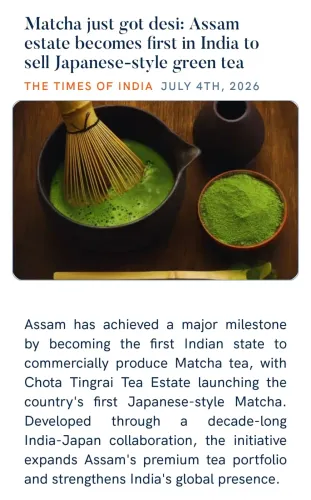
The Chief Minister's Office of Assam announced in Budget 2026 highlights that Matcha Tea will be added to the ATISIS scheme under the orthodox and specialty tea category, as orthodox tea production in the state has grown over 80 percent in four years.
Key Takeaways
Matcha Tea has been made eligible under the orthodox and specialty tea category of the ATISIS scheme as part of Assam Budget 2026 .
Orthodox tea production in Assam has grown by over 80 percent in four years, reflecting the impact of successive state incentive programmes.
The ATISIS expansion is aimed at encouraging value addition and boosting exports from Assam's tea sector.
Assam is India's largest tea-producing state, contributing more than half of national output.
The move aligns with a broader state and national strategy to shift from bulk CTC tea toward higher-value orthodox and specialty grades .
Detailed ATISIS guidelines and budget allocations are awaited in the final Assam Budget 2026 document.
The Chief Minister's Office of Assam announced on Friday, 10 July 2026 that the state's Assam Tea Industry Support and Incentive Scheme (ATISIS) will be expanded to include Matcha Tea under the orthodox and specialty tea category, a move aimed at encouraging value addition and boosting exports. The announcement came as part of the #AssamBudget2026 highlights shared by the official CMO account.
The post stated that 'support for tea growers will be expanded under ATISIS, with Matcha Tea now eligible under the orthodox and specialty tea category to encourage value addition and exports,' and noted that 'orthodox tea production in Assam has grown by over 80% in four years.'
Context
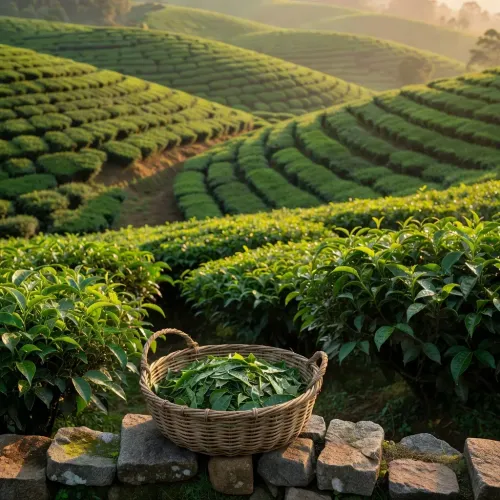
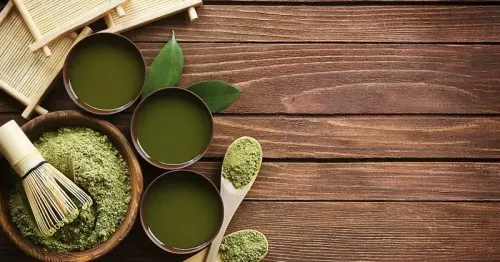
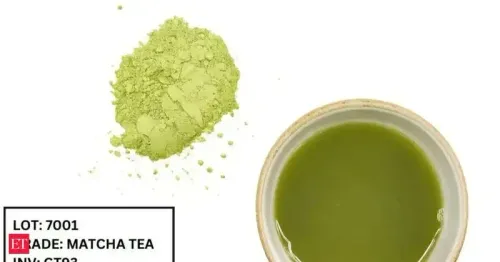
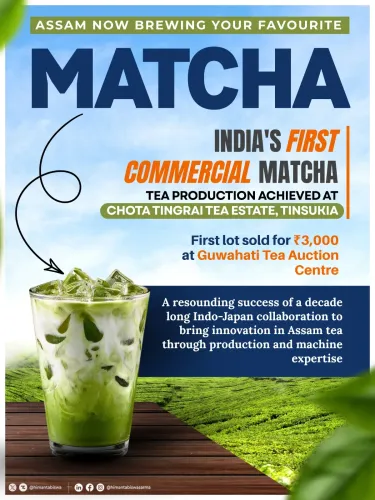
Assam is India's largest tea-producing state, accounting for more than half of national output. The state has in recent years pivoted away from bulk CTC (Crush, Tear, Curl) tea toward higher-value orthodox and specialty grades, which command significantly better unit prices in international markets. The inclusion of Matcha — a finely ground, shade-grown green tea — under ATISIS marks a notable expansion of this strategy into an entirely new product category. Matcha has seen surging global demand, particularly in East Asia, Europe, and North America, driven by health-conscious consumer trends. By making it eligible under the orthodox and specialty tea incentive framework, the Assam government is signalling intent to position the state as a source of premium, export-ready specialty teas beyond its traditional identity as a black tea belt.Policy Backdrop
ATISIS is a state scheme that provides financial incentives and technical support to tea growers for production improvements and value addition. Since 2022, successive Assam government budgets have progressively widened the scheme's scope and deepened its incentives for orthodox tea, with the stated goal of raising farmer incomes and improving export competitiveness. The over 80 percent growth in orthodox tea production over four years cited in the post reflects the cumulative impact of these earlier interventions, including garden-level replanting and processing upgrades by tea estates that responded to state incentives. This trajectory mirrors efforts at the national level by the Tea Board of India and the commerce ministry to diversify Indian tea offerings and reduce dependence on commodity-grade bulk exports.Stakeholders and Impact
Tea growers — both large estates and small growers — stand to benefit directly from the expanded ATISIS coverage, as Matcha production requires specific cultivation techniques, including shading, that can add significant value per kilogram compared to conventional CTC output. Tea exporters operating out of Assam could gain a new, high-margin product line to offer international buyers. For small and marginal growers, however, the transition to Matcha cultivation involves upfront investment in shading infrastructure and processing equipment. The extent to which ATISIS incentives will offset these entry costs will depend on the detailed guidelines and budget allocations that emerge in the final Assam Budget 2026 document.What's Next
Attention will now turn to the full budget document for specifics on ATISIS allocations, eligibility criteria for Matcha, and per-kilogram or area-based incentive structures. Tea Board of India export data for FY 2026-27 will serve as an early indicator of whether the policy push translates into measurable gains in specialty tea shipments. If Assam succeeds in establishing a credible Matcha supply chain, it could reshape the state's positioning in global specialty beverage markets and offer a replicable model for other tea-growing regions in Northeast India.Point of View
High-margin product category, signalling that the state government is willing to back unconventional bets to capture export value. The 80 percent orthodox output growth figure, if sustained, gives the policy credibility and creates a foundation on which specialty-grade expansion can be built. However, the real test lies in implementation: Matcha cultivation is technically demanding, and whether ATISIS incentives are calibrated generously enough to draw in small growers — not just large estates — will determine the breadth of impact. Watched alongside national Tea Board diversification efforts, Assam's move could become a template for repositioning Indian tea in premium global markets.
NationPress
8 Oct 2026
Frequently Asked Questions
What is ATISIS in Assam?
ATISIS stands for Assam Tea Industry Support and Incentive Scheme, a state government programme that provides financial incentives and support to tea growers for production improvements and value addition, with a focus on orthodox and specialty tea grades.
Why has Matcha Tea been added to ATISIS?
Matcha Tea has been included under the orthodox and specialty tea category of ATISIS to encourage value addition and boost exports, as Matcha commands high unit prices in global markets, particularly in East Asia, Europe, and North America.
How much has orthodox tea production grown in Assam?
According to the Assam Budget 2026 highlights shared by the Chief Minister's Office, orthodox tea production in Assam has grown by over 80 percent in four years.
What is the difference between CTC and orthodox tea?
CTC (Crush, Tear, Curl) tea is a machine-processed bulk variety used mainly in strong brewed teas, while orthodox tea is produced using traditional rolling methods that preserve the leaf's character, fetching higher prices in specialty and export markets.
What should tea growers watch for after this announcement?
Tea growers and exporters should watch for the final Assam Budget 2026 document, which will detail ATISIS allocations, per-kilogram or area-based incentive structures, and specific eligibility criteria for Matcha cultivation and processing.