Assam CM Office: State's First Matcha Tea Fetches Rs 3,000/kg
Synopsis
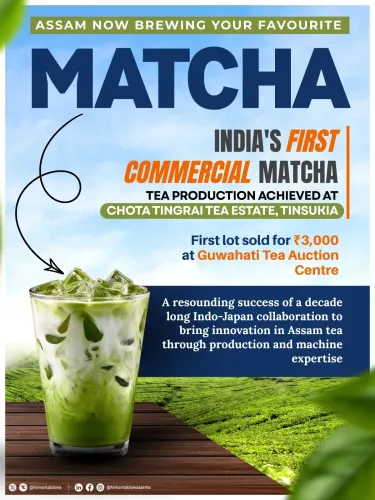
Assam's CM Office announced the state's first locally produced matcha tea sold at auction for Rs 3,000 per kg on 5 July 2026, marking a milestone in the state's push to diversify beyond bulk CTC black tea toward high-value specialty exports.
Key Takeaways
Assam's first locally produced matcha tea was sold at auction, fetching Rs 3,000 per kilogram .
The announcement was made by the Chief Minister's Office of Assam on 5 July 2026 .
Assam produces over half of India's tea across more than 3,00,000 hectares of plantations, historically dominated by CTC black tea.
The Assam government has promoted specialty and orthodox tea diversification since 2016 to improve farmer returns.
Matcha commands significant premiums over conventional CTC auction prices, offering higher per-unit income for growers.
Expansion of matcha cultivation trials in upper Assam districts and integration into state export schemes are being watched as next steps.
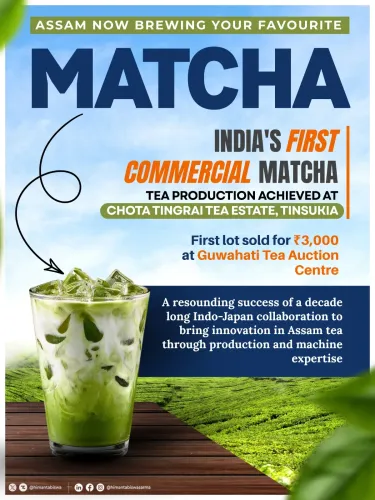
The Chief Minister's Office of Assam announced on Sunday, 5 July 2026 that Assam's first locally produced matcha tea has been sold at auction, fetching Rs 3,000 per kilogram — a significant milestone for the northeastern state's push into premium, high-value tea segments.
Context
Assam is India's largest tea-producing state, with plantations spanning over 3,00,000 hectares and accounting for more than half of the country's total tea output. Historically, the sector has been dominated by CTC (crush-tear-curl) black tea varieties oriented toward bulk export markets, where price realisations have remained under pressure from global commodity fluctuations. The auction of locally produced matcha marks a departure from that tradition.
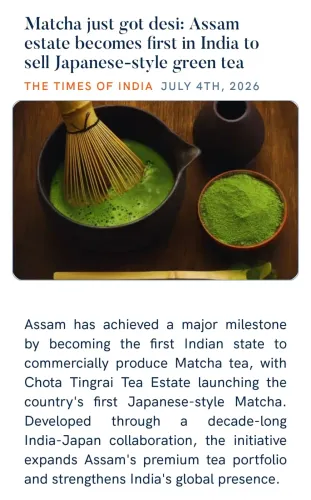
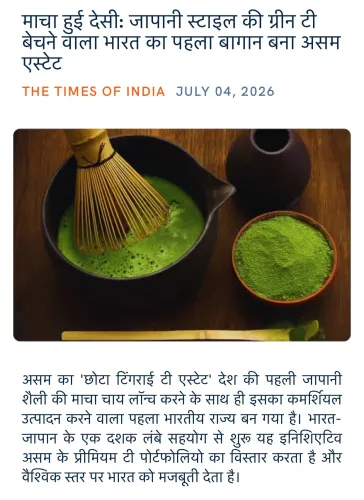
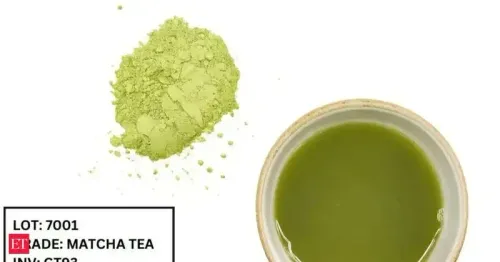
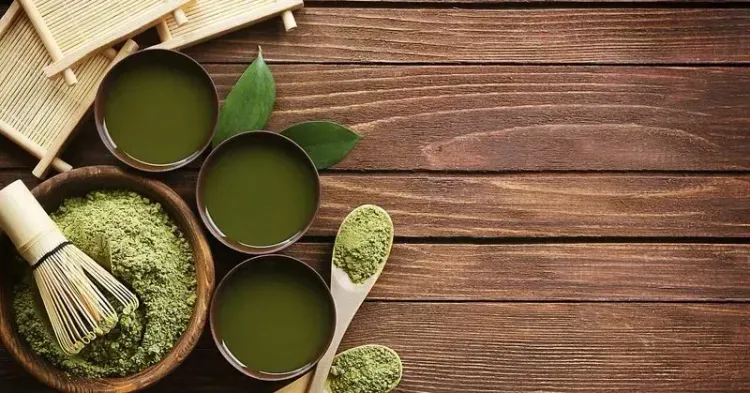
Matcha is a finely ground powder of specially processed green tea leaves, originally associated with Japan and commanding premium prices in global wellness and food markets. Its successful auction in Assam signals that the state's agro-climatic conditions can support this high-value category.
Policy Backdrop
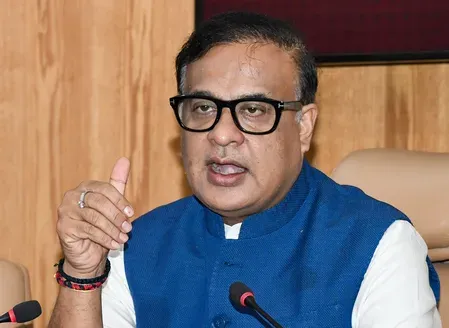
The Assam government has, since 2016, actively encouraged diversification away from CTC production through initiatives promoting orthodox and specialty teas, including geographical indication (GI) tagging for distinct regional varieties. Chief Minister Himanta Biswa Sarma, who has led the state since May 2021, has positioned agricultural value-addition as a key pillar of rural economic policy.
The Tea Board of India, the statutory body under the Ministry of Commerce that regulates tea auctions and supports industry promotion, plays a central role in facilitating such speciality auctions and connecting growers to premium buyers. Diversification into green and matcha-style teas has also been observed in Darjeeling and the Nilgiris over the past decade, reflecting a national pattern of leveraging distinct agro-climatic zones for premium agricultural exports.
Stakeholders and Impact
The primary beneficiaries of this development are Assam's tea growers and specialty exporters, for whom a price realisation of Rs 3,000 per kg represents a substantial premium over conventional CTC auction prices, which frequently settle in the range of a few hundred rupees per kilogram. Higher per-unit realisations directly improve farmer returns and incentivise investment in processing infrastructure.
For specialty exporters, Assam-origin matcha opens a new sourcing option in a global market where Japanese and Chinese matcha dominate. An Indian alternative — especially from a region with established tea-growing credibility — could attract buyers in Europe, the United States, and domestic wellness retail segments that have seen strong demand growth.
What's Next
Attention will now turn to whether this auction outcome translates into broader cultivation trials across upper Assam districts, and whether the state government integrates matcha promotion into existing horticulture missions or export facilitation schemes. A sustained pipeline of locally produced matcha batches reaching auction would be needed to establish Assam as a credible supplier in this niche category.
If the price signal holds across subsequent auctions, it could accelerate a structural shift in how Assam's tea estates allocate land and processing capacity — with meaningful implications for grower incomes and the state's agricultural export earnings over the coming years.
Point of View
000 per kg is more than a novelty — it is a proof-of-concept for a state that has long been locked into low-margin bulk tea exports. The CM Office's decision to amplify this development publicly signals that the Sarma administration sees specialty tea as a replicable model for agricultural value-addition, not a one-off experiment. Set against the broader national push to improve farm incomes through premium and GI-tagged produce, Assam's matcha moment fits a pattern of northeastern states repositioning their agri-commodities up the value chain. The real test will be whether institutional support — from the Tea Board, horticulture missions, and export facilitation bodies — follows quickly enough to convert a single auction milestone into a durable industry segment.
NationPress
3 Oct 2026
Frequently Asked Questions
What is the price of Assam matcha tea at auction?
Assam's first locally produced matcha tea fetched Rs 3,000 per kilogram at auction, as announced by the Chief Minister's Office of Assam on 5 July 2026.
Has Assam ever produced matcha tea before?
According to the Chief Minister's Office of Assam, the batch sold at auction in July 2026 is described as the state's first locally produced matcha tea , marking a new category for Assam's tea industry.
What is matcha tea and why is it valuable?
Matcha is a finely ground powder made from specially processed green tea leaves. It commands premium prices globally — particularly in wellness, food, and beverage markets — because of its distinct flavour profile and nutritional properties, making it far more valuable per kilogram than conventional CTC black tea.
How does Assam's tea sector benefit from producing matcha?
Shifting toward matcha and other specialty teas allows Assam's tea growers to earn significantly higher per-kilogram returns compared to bulk CTC varieties, helping improve farmer incomes and reducing dependence on volatile global commodity prices.
What is the Tea Board of India's role in Assam tea auctions?
The Tea Board of India is a statutory body under the Ministry of Commerce that regulates tea auctions across India, supports industry promotion, and helps connect growers — including those producing specialty teas like matcha — to premium domestic and export buyers.