Assam Budget: Semiconductors, Gaming & Green Energy to Drive Jobs
Synopsis
Assam's 2026 budget charts a new employment vision anchored in semiconductors, gaming, and green energy, signalling a break from the state's traditional reliance on government recruitment and oil-agriculture jobs, as announced by the Chief Minister's Office on 11 July 2026.
Key Takeaways
The Chief Minister's Office of Assam announced on 11 July 2026 that the state budget targets semiconductors, gaming, and green energy as new employment pillars.
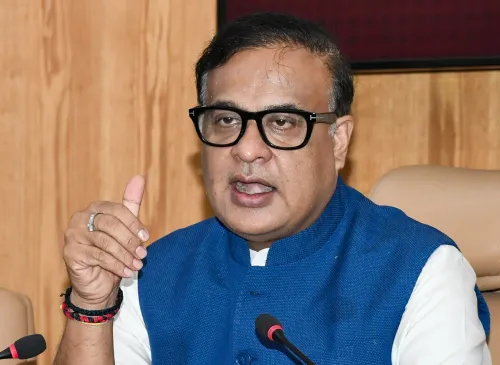
Chief Minister Himanta Biswa Sarma has prioritised economic diversification since taking office in May 2021 .
The semiconductor focus aligns with the central government's India Semiconductor Mission , launched in 2021 under the PLI framework.
The budget represents a structural shift away from Assam's historic dependence on government jobs, oil, and agriculture for employment.
Actual budget allocations and investment MoUs are expected to be detailed during the ongoing Assam Assembly session .
Success in attracting new-economy investment could reduce chronic out-migration of skilled Assamese youth to other states.
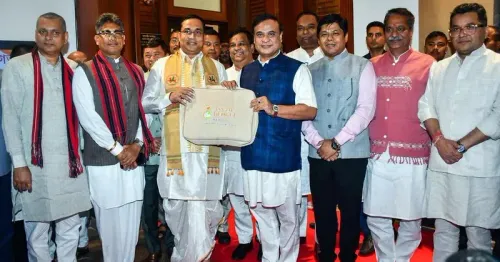
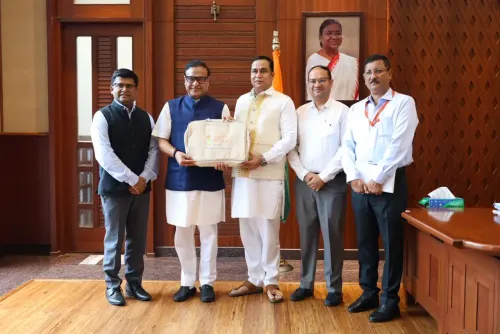
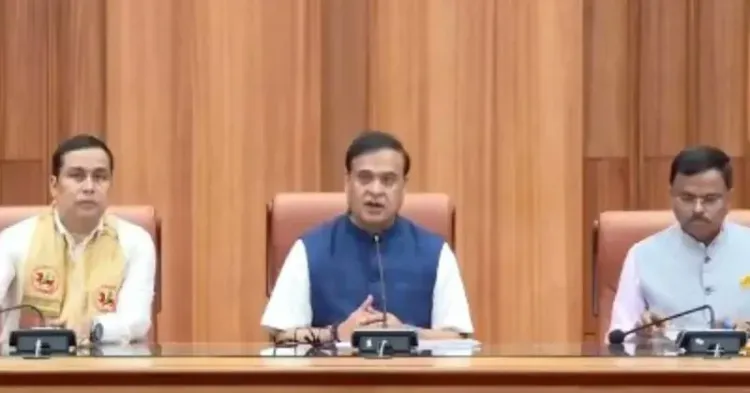
The Chief Minister's Office of Assam on Saturday, 11 July 2026 shared details of the state's latest budget, highlighting semiconductors, gaming, and green energy as the three pillars of a new employment roadmap designed to move Assam beyond traditional government recruitment.
Context
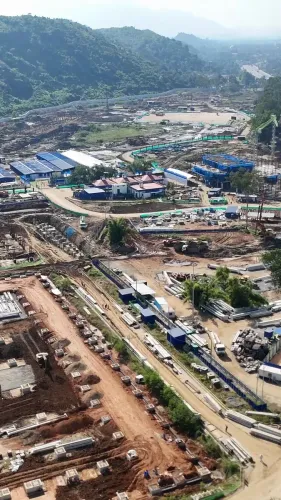
The post signals a deliberate pivot in Assam's economic strategy. For decades, the state's job market was anchored in government recruitment, oil extraction, and agriculture — sectors with limited capacity to absorb a growing, educated youth population. The 2026 Assam Budget appears to formalise a shift toward skill-intensive, private-sector employment in three high-growth verticals: semiconductor design, online gaming, and renewable energy.
Chief Minister Himanta Biswa Sarma, who has led the state since May 2021, has consistently flagged economic diversification as a policy priority. The budget's sectoral choices reflect that orientation, positioning Assam within a national competition among states for technology and clean-energy investment.
Policy Backdrop
The semiconductor push aligns with the India Semiconductor Mission, a central scheme approved in 2021 under the Production Linked Incentive framework to build domestic chip-design and manufacturing capacity and reduce India's import dependence. States that attract semiconductor units benefit from both central and state-level incentives, making early positioning strategically valuable.
Green energy investment has similarly accelerated across Indian states as part of the broader Atmanirbhar Bharat and net-zero commitments. Assam's inclusion of gaming — a sector that requires digital infrastructure and trained developers rather than heavy capital — suggests a focus on low-barrier, high-employment potential industries suited to the state's emerging tech talent base.
Historically, northeastern and eastern states have faced persistent out-migration because private-sector opportunities were scarce. A budget that explicitly names new-economy sectors as employment drivers is a departure from that pattern and mirrors diversification moves seen in peer states.
Stakeholders and Impact
The primary beneficiaries, if the roadmap translates into concrete investment and hiring, would be Assam's youth — particularly engineering graduates and vocationally trained workers who currently migrate to Bengaluru, Hyderabad, or Pune for technology jobs. Renewable energy projects would also create construction-phase and operations employment in rural and semi-urban districts.
For tech investors and renewable energy firms, a state budget that names their sectors explicitly signals policy intent and, potentially, fiscal incentives. The key question is whether the budget allocates specific funds or merely articulates direction — details that will emerge during the ongoing Assam Assembly session. Actual investment MoUs and skill-development tie-ups will determine whether the roadmap moves from vision to execution.
What's Next
Observers will watch the Assam Assembly session closely for line-item allocations to semiconductor infrastructure, gaming-sector incentives, and renewable energy capacity targets. Follow-on announcements on investment agreements with private firms and skill-development partnerships with central institutions will be the clearest indicators of how seriously the state intends to pursue this diversification agenda.
If Assam succeeds in attracting even a fraction of the semiconductor and green-energy investment flowing to larger states, it could meaningfully alter the employment calculus for young Assamese professionals — and set a replicable template for other northeastern states seeking to reduce out-migration through new-economy anchoring.
Point of View
Gaming, and green energy is less a standalone move than a calculated bid to capture spillover from India's national PLI and Atmanirbhar Bharat strategies before peer states consolidate their advantage. By naming these sectors explicitly in a budget document, the Sarma government is signalling to investors that policy intent exists — a necessary but not sufficient condition for actual capital deployment. The real test will be whether fiscal allocations and regulatory incentives follow the rhetoric, particularly given Assam's infrastructure gaps relative to established tech hubs. If the roadmap holds, it could mark a genuine inflection point in the northeast's economic integration with India's new-economy growth story.
NationPress
10 Oct 2026
Frequently Asked Questions
What are the key sectors in the Assam Budget 2026 for employment?
The Assam Budget 2026 identifies semiconductors, gaming, and green energy as the three key sectors intended to drive a new wave of private-sector employment in the state, moving beyond traditional government recruitment.
What is the India Semiconductor Mission and how does it relate to Assam?
The India Semiconductor Mission is a central government scheme launched in 2021 under the PLI framework to build domestic chip-design and manufacturing capacity. Assam's budget aligns with this mission, positioning the state to attract semiconductor investment and associated jobs.
How does the Assam Budget 2026 differ from previous employment strategies?
Unlike earlier budgets that focused primarily on government recruitment and sectors like oil and agriculture, the 2026 budget explicitly targets skill-intensive, private-sector industries — semiconductors, gaming, and renewables — to create jobs for educated youth.
Will the Assam Budget 2026 help reduce out-migration of youth?
The budget's focus on new-economy sectors is designed to create local opportunities for technically skilled workers who currently migrate to cities like Bengaluru or Hyderabad. Whether it succeeds depends on actual investment attracted and jobs created on the ground.
When will details of Assam's semiconductor and green energy budget allocations be known?
Specific budget allocations, investment MoUs, and skill-development tie-ups are expected to be disclosed during the ongoing Assam Assembly session following the budget announcement on 11 July 2026.