Assam CM Office: 7 Golden Langurs Released into Sikhna Jwhwlao Park
Synopsis
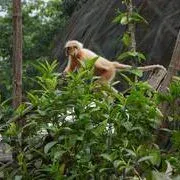
Seven rescued Golden Langurs have been released into Sikhna Jwhwlao National Park in Assam, the Chief Minister's Office announced on June 26, 2026. The move supports conservation of one of India's most endangered primates, found almost exclusively in western Assam and Bhutan.
Key Takeaways
Seven Golden Langurs were rescued and released back into Sikhna Jwhwlao National Park in Assam.
The Golden Langur is classified as Endangered on the IUCN Red List and is found almost exclusively in western Assam and Bhutan.
The release was announced by the Chief Minister's Office of Assam on June 26, 2026 .
The operation falls under the state's obligations under the Wildlife Protection Act, 1972 and India's biodiversity commitments.
Post-release monitoring and potential expansion of protected buffer zones in western Assam are key next steps for conservationists.
The Chief Minister's Office of Assam announced on Friday, June 26, 2026 that seven rescued Golden Langurs have been released back into Sikhna Jwhwlao National Park, marking a significant step in the state's effort to protect one of India's most endangered primate species.
Context
The Golden Langur (Trachypithecus geei) is among the most endangered primates in the world, found almost exclusively in a narrow belt of western Assam and neighbouring Bhutan. Listed as Endangered on the IUCN Red List, the species faces mounting pressure from habitat fragmentation, deforestation, and human-wildlife conflict along the Brahmaputra valley's forest fringes.
Sikhna Jwhwlao National Park is a protected area in Assam established specifically to safeguard habitat for the Golden Langur and associated wildlife. Its creation reflects the state's recognition that viable forest corridors are essential to the species' survival.
Policy Backdrop
The release is part of a broader, ongoing pattern of primate rescue and rehabilitation carried out by Assam's forest department under the framework of the Wildlife Protection Act, 1972. India's biodiversity commitments — including obligations under the Convention on Biological Diversity — require state governments to actively manage and restore wildlife populations in protected areas.
Assam has historically maintained several protected areas in the Brahmaputra valley, and periodic rescue-and-release operations are a key tool for countering population decline caused by habitat loss. The state's forest department works alongside wildlife rescuers and local forest communities to identify, rehabilitate, and safely reintroduce distressed animals.
Stakeholders and Impact
Wildlife conservationists and forest communities in western Assam stand to benefit directly from such interventions, which help stabilise primate populations and reduce human-wildlife conflict near forest edges. Each successful release also contributes data points for ongoing population assessments of the Golden Langur.
For the seven langurs now returned to Sikhna Jwhwlao National Park, the release represents a return to their natural habitat after a period of rescue and care. Conservation groups have long advocated for more robust post-release monitoring to track survival and integration into existing troops.
What's Next
Attention will now turn to post-release monitoring of the seven langurs to assess their adaptation back into the wild. Experts and conservationists will watch for any expansion of protected buffer zones in western Assam, which remains critical to ensuring the long-term viability of Golden Langur populations on the Indian side of the range.
The Assam government's continued investment in rescue operations and protected-area management will be a key indicator of the state's commitment to reversing the decline of this rare, charismatic primate.
Point of View
A state that holds a disproportionate share of global responsibility for this species. By publicising such operations through the Chief Minister's Office, the Assam government signals that wildlife conservation is a visible governance priority — not merely a departmental function. This fits a broader pattern across Indian states of using high-profile wildlife interventions to reinforce green credentials, particularly as biodiversity loss becomes an increasingly salient political issue. The real test, however, lies in sustained post-release monitoring and the protection of forest corridors that make such releases meaningful in the long run.
NationPress
26 Jun 2026
Frequently Asked Questions
What is the Golden Langur and why is it endangered?
The Golden Langur is a rare primate found almost exclusively in western Assam and neighbouring Bhutan. It is classified as Endangered on the IUCN Red List due to severe habitat fragmentation, deforestation, and human-wildlife conflict.
Where is Sikhna Jwhwlao National Park located?
Sikhna Jwhwlao National Park is a protected area in Assam, India, established specifically to conserve the Golden Langur and associated wildlife species in the Brahmaputra valley region.
How many Golden Langurs were released and by whom?
Seven rescued Golden Langurs were released back into Sikhna Jwhwlao National Park. The Chief Minister's Office of Assam announced the release on June 26, 2026.
What laws protect the Golden Langur in India?
The Golden Langur is protected under the Wildlife Protection Act, 1972, which prohibits hunting, poaching, and trade of the species. Assam's forest department manages protected areas for the species under this framework.
What happens after the Golden Langurs are released into the wild?
After release, conservation teams typically conduct post-release monitoring to track the animals' survival, health, and integration into existing troops. Experts also advocate for expanding buffer zones around protected areas to improve long-term outcomes.