Jal Shakti Minister Paatil Champions Rainwater Harvesting
Synopsis
Union Jal Shakti Minister C. R. Paatil has called rooftop rainwater harvesting and soak pits the most urgent tools to reverse falling groundwater levels, framing water conservation under PM Modi as a successful national public movement.
Key Takeaways
Union Jal Shakti Minister C.
Paatil posted on 26 June 2026 urging rooftop rainwater harvesting and soak pits ( sokhta gadde ) to recharge groundwater.
He described water conservation under PM Narendra Modi as a successful jan aandolan (public movement).
The Atal Bhujal Yojana (December 2019) targets groundwater-stressed blocks in seven states through community-led recharge plans.
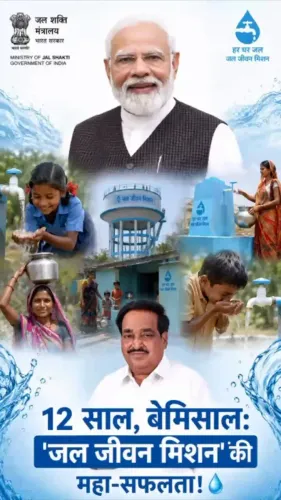
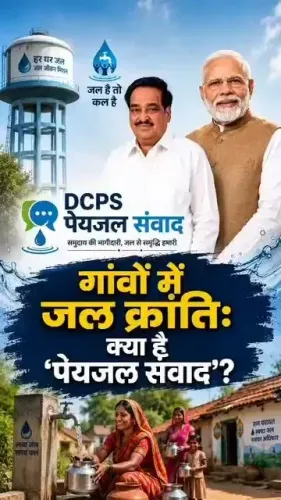
The Jal Jeevan Mission (August 2019) mandates rainwater harvesting for source sustainability alongside rural tap-water supply.
Model Building Bye-Laws 2016 made rooftop rainwater harvesting compulsory in new constructions across India.
With the monsoon active, state enforcement of harvesting bylaws and Central Ground Water Board trend data will be key indicators of progress.
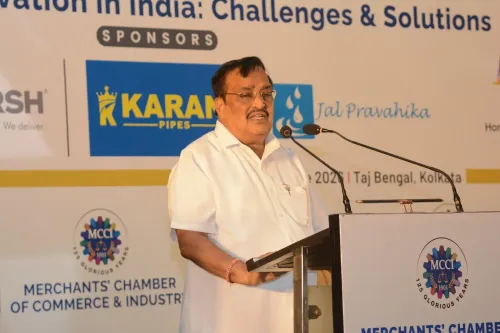
Union Jal Shakti Minister C. R. Paatil on Friday, 26 June 2026, called rooftop rainwater harvesting and soak pits the most urgent need of the hour as groundwater levels continue to fall, framing water conservation under Prime Minister Narendra Modi as a successful mass movement.
Context
In a post on X, Minister Paatil wrote — translated from Hindi — that 'jal sanrakshan ek safal jan aandolan ban gaya hai' ('water conservation has become a successful public movement') under the leadership of PM Modi. He underlined that with groundwater levels declining continuously, returning every drop of rainwater to the earth is 'the greatest need of the time.' He specifically named rooftop rainwater harvesting and soakage pits (sokhta gadde) as simple, effective interventions capable of improving groundwater levels and securing drinking water for future generations.
Policy Backdrop
The minister's statement fits within a well-established Central policy framework. The Jal Jeevan Mission, launched in August 2019, mandates greywater management and rainwater harvesting as part of source sustainability measures alongside rural tap-water supply infrastructure. Separately, the Atal Bhujal Yojana, launched in December 2019, targets groundwater-stressed blocks across seven states through community-led recharge and water security plans at the panchayat level.
India's Model Building Bye-Laws 2016 had already made rooftop rainwater harvesting compulsory in new constructions, a mandate later reinforced through the AMRUT and Smart Cities Mission programmes. The Jal Shakti Ministry — formed in 2019 by merging the water resources and drinking water departments — now anchors all these efforts under a single administrative umbrella.
Stakeholders and Impact
The call to action touches urban households, rural panchayats, and state groundwater boards alike. Rooftop systems are low-cost enough for individual homes, while soak pits can be deployed at the community level without heavy infrastructure investment. Both methods are designed to replenish shallow aquifers that supply drinking water to millions of Indians, particularly in regions where agricultural and domestic extraction has outpaced natural recharge.
The framing of water conservation as a jan aandolan — a people's movement — mirrors the communication strategy used for the Swachh Bharat Mission on sanitation, signalling that the government intends to drive behaviour change through social mobilisation rather than regulation alone.
What's Next
With the monsoon season now active across much of India, the coming weeks are the most critical window for groundwater recharge. Attention will turn to whether state governments enforce existing rainwater harvesting bylaws and how effectively district administrations promote soak-pit construction in rural areas. The Central Ground Water Board's annual assessment of water-level trends will be a key indicator of whether these community-scale interventions are translating into measurable aquifer recovery.
Point of View
The government signals it is applying the same mass-mobilisation playbook that animated the Swachh Bharat campaign to water security. The timing — as aquifer stress intensifies and the monsoon window opens — suggests the ministry is trying to convert seasonal rainfall into a recharge opportunity rather than letting it run off. Whether this translates into measurable groundwater recovery will depend on state-level enforcement and community uptake, areas where past performance has been uneven.
NationPress
26 Jun 2026
Frequently Asked Questions
What is rooftop rainwater harvesting and how does it help groundwater?
Rooftop rainwater harvesting collects rainfall from building rooftops and channels it into storage tanks or directly into the ground through recharge pits, replenishing shallow aquifers that supply drinking water. Jal Shakti Minister C. R. Paatil highlighted it on 26 June 2026 as one of the simplest tools to reverse declining groundwater levels.
What is a soakage pit or sokhta gadda?
A soakage pit (called sokhta gadda in Hindi) is a small, gravel-filled pit dug near a building or open area that allows rainwater or wastewater to percolate slowly into the soil, recharging groundwater. The Jal Shakti Ministry promotes it as a low-cost, community-scale groundwater recharge method.
What is the Atal Bhujal Yojana?
The Atal Bhujal Yojana is a Central government scheme launched in December 2019 to address groundwater depletion in stressed blocks across seven states through panchayat-level water security plans and community-managed recharge measures.
Is rainwater harvesting compulsory in India?
Yes. India's Model Building Bye-Laws 2016 made rooftop rainwater harvesting mandatory in new constructions, and the requirement was further reinforced under the AMRUT and Smart Cities Mission programmes, though state-level enforcement varies.
What is the Jal Jeevan Mission's role in groundwater conservation?
The Jal Jeevan Mission, launched in August 2019 to provide tap water to rural households, also mandates greywater management and rainwater harvesting as source-sustainability measures to ensure that supply infrastructure has reliable long-term water sources.