Assam Health Minister orders C-section facility in every constituency
Synopsis
Assam Health Minister Ashok Singhal has ordered C-section services to be available in every Assembly constituency — a direct strike at the state's maternal mortality crisis — while simultaneously placing hospitals on emergency footing as floods worsen in Upper Assam. The dual directive on 20 July signals an unusually proactive response to two of the state's most persistent public health vulnerabilities.
Key Takeaways
Assam Health Minister Ashok Singhal on 20 July directed that C-section facilities be made available in every Assembly constituency across the state.
The order aims to reduce long-distance transfers of pregnant women with complicated deliveries, improving access to life-saving obstetric care.
Officials were directed to reduce maternal and infant mortality , identify high-risk pregnancies early, and expand free dialysis services .
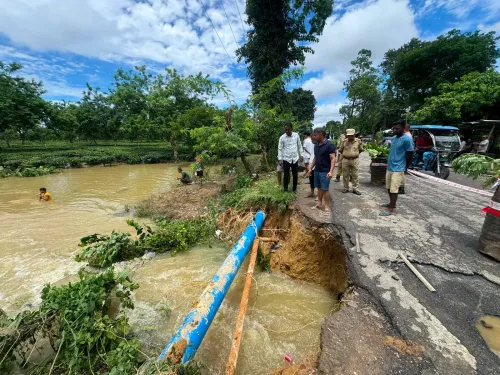
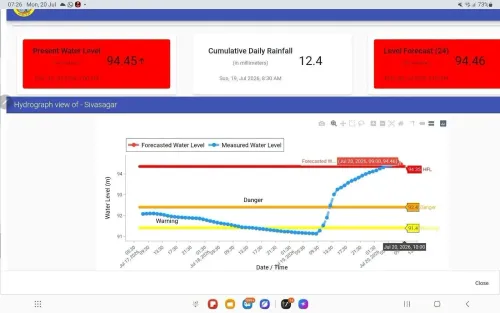
The Health Department has been placed on high alert for flood-related public health emergencies, particularly in Upper Assam .
Emergency health camps, special medical teams, and medicine stockpiling ordered for districts including Jorhat , Charaideo , and Sivasagar .
Programmes reviewed include RBSK , RKSK , School Health Clubs , and the TB-free India campaign.
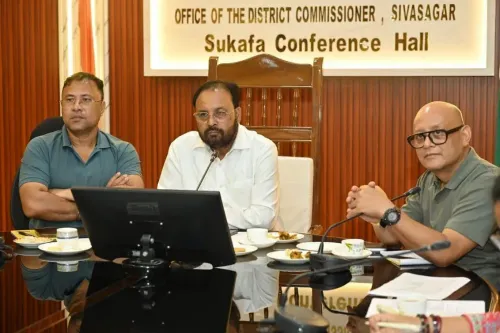
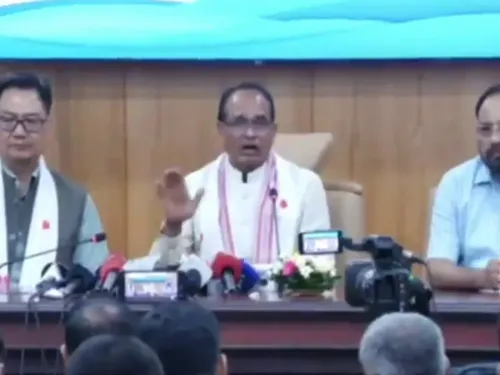
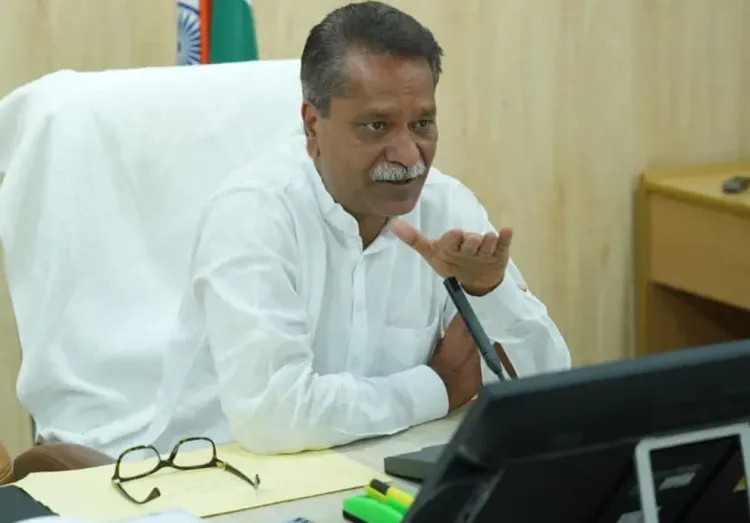
Assam Health Minister Ashok Singhal on Monday, 20 July directed state health officials to ensure Caesarean section (C-section) services are available in every Assembly constituency across the state, while simultaneously placing the Health Department on high alert to manage potential public health emergencies stemming from worsening floods in Upper Assam. The twin directives came during a comprehensive review meeting chaired by Singhal in Dispur, Guwahati.
Key Directives from the Review Meeting
The review assessed healthcare delivery in the districts of Dhubri, South Salmara-Mankachar, Kokrajhar, Chirang, and Bongaigaon. The meeting was attended by MLAs from all five districts, along with senior officials of the Health and Family Welfare Department and the National Health Mission (NHM), Assam.
Singhal reviewed healthcare infrastructure, availability of doctors and health workers, implementation of government health schemes, and the overall quality of medical services across the reviewed districts.
Expanding Maternal and Child Healthcare
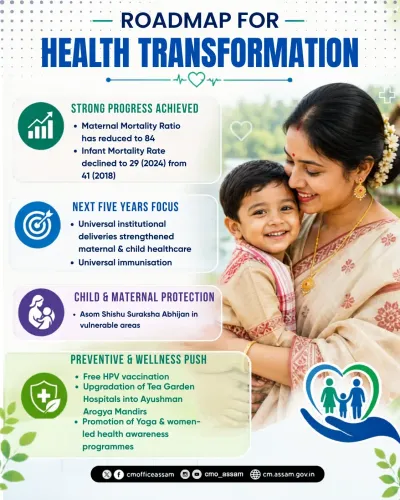
Emphasising maternal and child health, Singhal instructed officials to initiate steps to provide C-section facilities through qualified doctors in every Assembly constituency. He said the move would reduce the need to transfer pregnant women with complicated deliveries to distant hospitals, ensuring timely access to life-saving care.
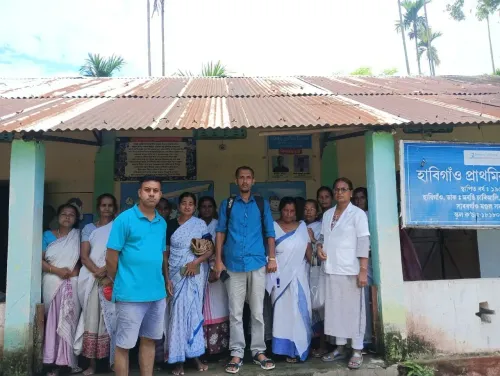
The minister also directed officials to intensify efforts to reduce maternal and infant mortality, identify high-risk pregnancies at an early stage, expand access to free dialysis services, and improve key public health indicators across Assam. He underscored the need for better healthcare outreach in rural areas, and reviewed the implementation of programmes including the Rashtriya Bal Swasthya Karyakram (RBSK), Rashtriya Kishor Swasthya Karyakram (RKSK), School Health Clubs, and the TB-free India campaign.
Flood Alert: Health Department on Emergency Footing
In a separate emergency video conference, Singhal connected with officials of Assam Medical College, Jorhat Medical College, and the district administrations of Jorhat, Charaideo, and Sivasagar — all districts facing the brunt of the current flood season.
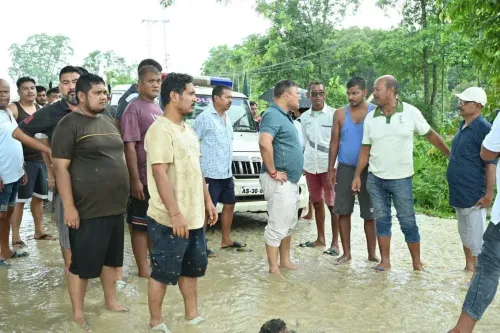
He directed health authorities to maintain adequate stocks of essential medicines, establish special medical teams for emergency deployment, organise health camps in flood-affected areas, and ensure access to safe drinking water and sanitation to prevent waterborne disease outbreaks. All departments were instructed to remain on round-the-clock alert and provide immediate medical assistance to flood-affected residents.
Why This Matters
Assam has historically recorded among the higher maternal mortality ratios in India, with rural and remote constituencies often lacking surgical obstetric care. The push to decentralise C-section availability directly addresses a structural gap that has long forced families to travel hours to reach facilities equipped for complicated deliveries. This comes amid an annual flood cycle that routinely disrupts healthcare access across the Brahmaputra basin — making the dual directive particularly timely.
With flood waters still rising in Upper Assam, the effectiveness of the emergency health preparedness measures will be closely watched in the coming weeks.
Point of View
This order risks remaining aspirational. The flood-health emergency overlay adds urgency but also resource strain: the same medical teams being readied for flood camps are the ones expected to staff upgraded obstetric units. Assam's dual crisis — seasonal floods and persistent maternal mortality — demands more than review meetings; it demands a funded, time-bound implementation roadmap that the current announcement does not yet provide.
NationPress
21 Jul 2026
Frequently Asked Questions
What did Assam Health Minister Ashok Singhal order on 20 July?
Singhal directed health officials to ensure Caesarean section (C-section) services are available in every Assembly constituency in Assam, and placed the Health Department on high alert for flood-related public health emergencies in Upper Assam. The orders were issued during a review meeting in Dispur and a follow-up emergency video conference.
Why is C-section access being expanded across Assam constituencies?
The directive aims to reduce the need to transport pregnant women with complicated deliveries to distant hospitals, ensuring faster access to life-saving obstetric care. Assam has historically faced elevated maternal mortality, particularly in rural and remote areas lacking surgical facilities.
Which districts are on flood health emergency alert in Assam?
The districts of Jorhat, Charaideo, and Sivasagar are specifically on emergency alert, with Assam Medical College and Jorhat Medical College directed to maintain medicine stocks and deploy special medical teams. Health camps are to be organised in flood-affected areas to prevent waterborne disease outbreaks.
Which health programmes were reviewed at the Dispur meeting?
The minister reviewed the Rashtriya Bal Swasthya Karyakram (RBSK), Rashtriya Kishor Swasthya Karyakram (RKSK), School Health Clubs, and the TB-free India campaign, along with overall healthcare infrastructure and scheme implementation in five districts.
Which districts were assessed in the Assam health review meeting?
The review covered healthcare delivery in Dhubri, South Salmara-Mankachar, Kokrajhar, Chirang, and Bongaigaon, with MLAs from all five districts and senior NHM and Health Department officials in attendance.