Assam CMO Flags Decline in Maternal, Infant Mortality Rates
Synopsis
The Chief Minister's Office of Assam said the state's maternal and infant mortality rates are steadily declining and committed to strengthening immunisation, child and maternal care, and healthcare infrastructure over the next five years under Chief Minister Dr Himanta Biswa Sarma.
Key Takeaways
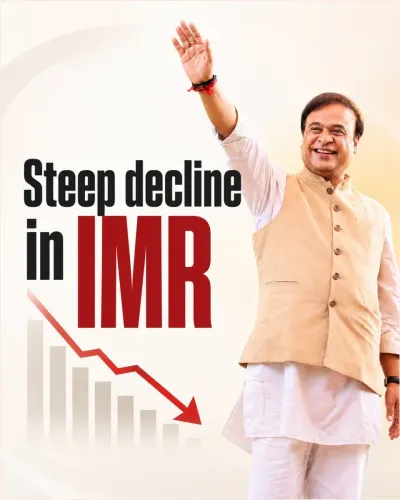
The Chief Minister's Office of Assam said maternal and infant mortality rates in the state are witnessing a 'steady decline'.
The post credits progress to the leadership of Chief Minister Dr Himanta Biswa Sarma.
The Government of Assam has committed to strengthening immunisation, child healthcare and maternal care over the next five years.
Healthcare infrastructure was named as a core pillar of the five-year plan.
The post did not specify mortality figures, scheme names or budget outlays.
Next reference points include the Sample Registration System bulletin and the 2027-28 state health budget.
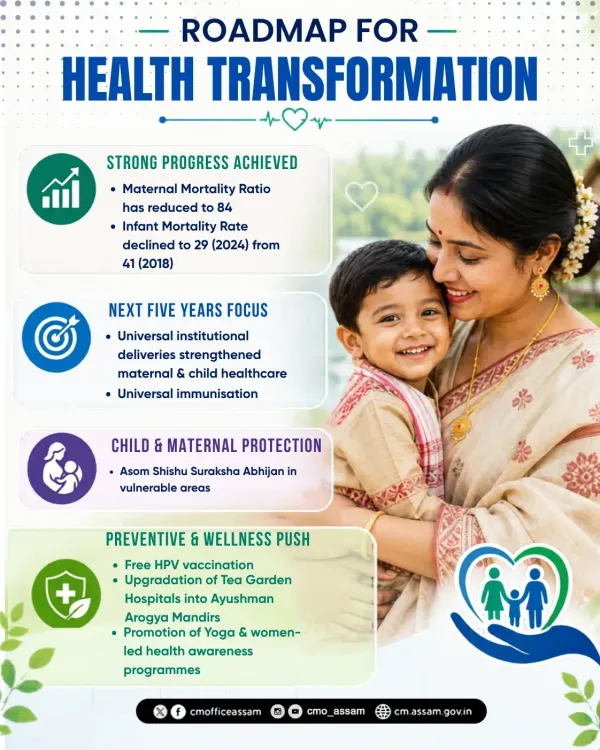
The Chief Minister's Office of Assam on Wednesday said the state's healthcare sector is registering 'remarkable progress', with maternal and infant mortality rates witnessing a 'steady decline'. In a post on X, the office credited the trajectory to the leadership of Chief Minister Dr Himanta Biswa Sarma and outlined a five-year commitment to strengthen immunisation, child and maternal care, and health infrastructure.
'Assam's healthcare sector continues to make remarkable progress, with maternal and infant mortality rates witnessing a steady decline,' the post said, adding that the Government of Assam 'remains committed to further strengthening immunization coverage, child healthcare, maternal care and healthcare infrastructure over the next five years ensuring better health outcomes for every mother and child'.
Context
Assam has historically reported maternal and infant mortality indicators above the national average, a gap successive state administrations have sought to close through expanded antenatal coverage, institutional deliveries and immunisation drives. The Wednesday post does not cite specific figures but frames the trend as part of a continuing improvement curve.
The reference to a five-year horizon signals that maternal and child health will remain a headline deliverable for the Government of Assam, with immunisation coverage and facility-level infrastructure singled out as priority levers.
Policy backdrop
India's push to lower maternal and infant mortality has been anchored in the National Rural Health Mission, launched in 2005, and the broader National Health Mission, expanded in 2013 with dedicated components for reproductive, maternal, newborn, child and adolescent health. States including Assam have aligned their programmes with these national frameworks while running state-specific schemes targeting regional access gaps.
Indian states have pursued reductions in these indicators through a mix of expanded immunisation, facility upgrades and conditional cash-transfer schemes layered over the national missions. The Assam CMO's framing places the state's recent gains within that wider arc.
Stakeholders and impact
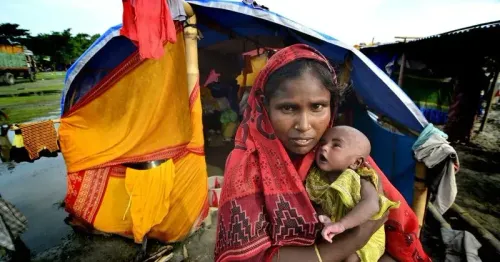
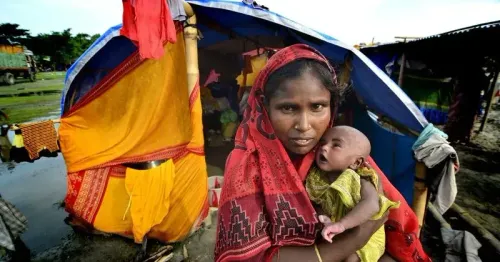
The primary beneficiaries flagged in the post are mothers and infants, particularly in rural belts where access to skilled birth attendance and immunisation has historically been thinner. Frontline workers, including ASHAs and auxiliary nurse midwives, remain central to delivering immunisation coverage and antenatal contact points.
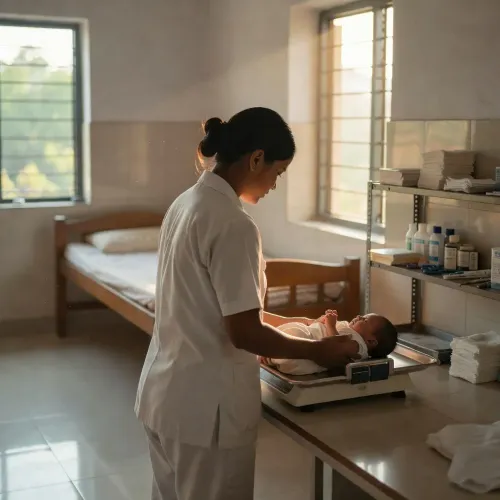
Strengthening healthcare infrastructure, the second pillar named in the post, typically translates to upgrades at sub-centres, primary health centres and district hospitals, alongside referral transport and newborn-care units. The CMO did not name specific facilities or schemes in Wednesday's post.
What's next
Key markers to watch include the next Sample Registration System bulletin on state-level mortality indicators, which is the standard reference point for tracking maternal and infant mortality rate movements, and the Assam state health budget presentation for 2027-28, where allocations for immunisation, maternal care and infrastructure will signal whether the five-year commitment is being operationalised in numbers.
For a state that has long carried one of the country's heavier maternal and child health burdens, sustained gains on these indicators would not only improve outcomes for every mother and child in Assam but also narrow the Northeast's gap with the national average — a benchmark the state's political leadership has repeatedly set for itself.
Point of View
Framing maternal and child health as a continuing political deliverable for the Sarma government. By tying the trend line to a five-year forward commitment, the CMO is pre-empting the next electoral and budgetary cycle on a metric where Assam has long lagged the national average. The absence of specific numbers leaves room for both progress reports and course corrections. Watch the next Sample Registration System bulletin and the 2027-28 health budget for whether the rhetoric is matched by allocations.
NationPress
17 Oct 2026
Frequently Asked Questions
What did the Assam CMO say about maternal and infant mortality?
The Chief Minister's Office of Assam said maternal and infant mortality rates in the state are witnessing a 'steady decline' and that the healthcare sector continues to make remarkable progress. The post did not disclose specific figures.
Who is the Chief Minister of Assam?
Dr Himanta Biswa Sarma is the Chief Minister of Assam and has held the post since 2021, with oversight of state health policy and infrastructure decisions.
What is Assam's five-year health plan focus?
The Government of Assam has said it will focus on strengthening immunisation coverage, child healthcare, maternal care and healthcare infrastructure over the next five years.
Which national programmes support maternal and child health in Assam?
Assam's maternal and child health work is aligned with the National Rural Health Mission launched in 2005 and the National Health Mission expanded in 2013, which include dedicated components for reproductive, maternal, newborn, child and adolescent health.
How is maternal and infant mortality measured in India?
Maternal and infant mortality rates in India are tracked primarily through the Sample Registration System bulletin, which provides state-level estimates used by policymakers and researchers.