CM Himanta Announces India's First Public-Sector Proton Beam Therapy Centre in Assam
Synopsis
Assam Chief Minister Himanta Biswa Sarma has announced India's first public-sector Proton Beam Therapy facility at ₹600 crore, completing the apex of the state's three-tier cancer care model and promising precision oncology access across the entire Northeast region.
Key Takeaways
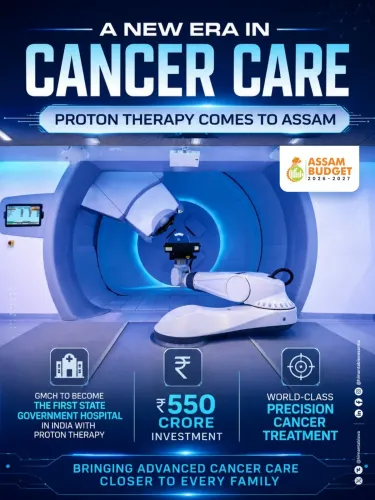
Assam will get a ₹600 crore Proton Beam Therapy facility , announced by CM Himanta Biswa Sarma on 9 November 2026 .
It will be India's first Proton Beam Therapy unit in the public healthcare system , making advanced precision radiotherapy accessible outside the private-metro corridor.
The facility is positioned as the top tier of Assam's three-tier cancer care model , which links district screening to tertiary treatment.
The move directly addresses the lack of high-end oncology infrastructure across all eight states of Northeast India .
Key details — construction timeline, central funding share, and integration with existing Assam cancer hospitals — are yet to be disclosed.
A ₹600 crore investment is about to redraw the cancer-care map of Northeast India. Assam Chief Minister Himanta Biswa Sarma announced on Monday, 9 November 2026, that the state will host India's first Proton Beam Therapy facility within the public healthcare system — a move that promises precision oncology treatment to millions of patients who have historically had nowhere nearby to turn.
What Proton Beam Therapy means for patients in the Northeast
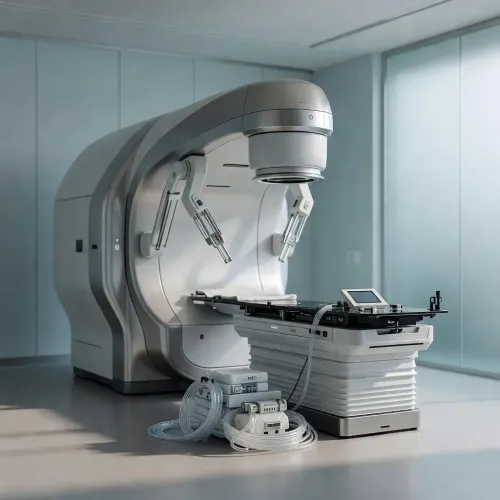
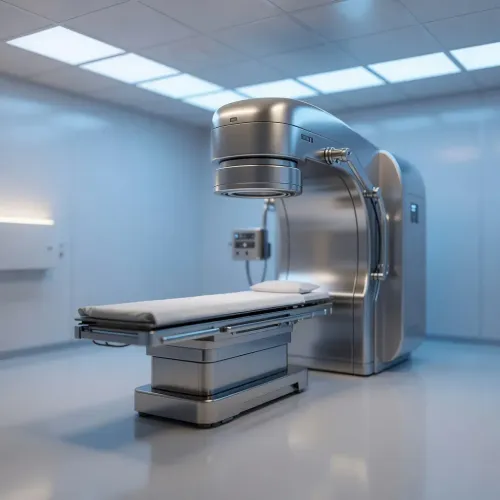
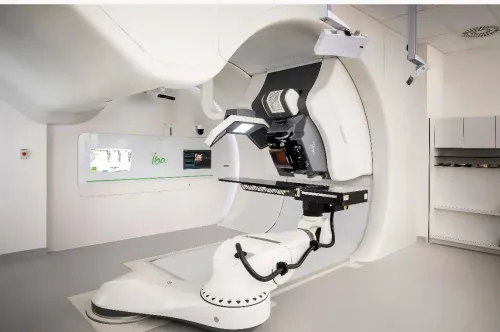
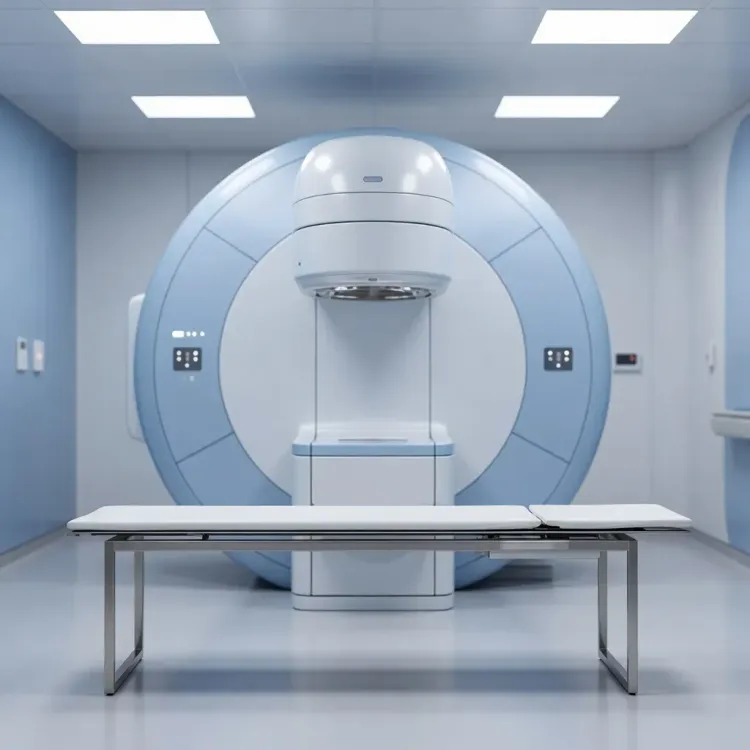
Proton Beam Therapy is among the most advanced forms of radiation oncology available today. Unlike conventional radiotherapy, it delivers a focused beam of protons that deposits the bulk of its energy precisely at the tumour site, sparing surrounding healthy tissue. For cancers near critical structures — the brain, spine, eyes, or in paediatric patients — the difference in side-effects can be life-altering.
Until now, the technology has existed only in private or super-speciality institutions concentrated in metros far from the Northeast. A patient in Assam, Manipur, or Nagaland seeking this treatment has faced travel costs, waiting lists, and bills that simply rule out access. That calculation is the target CM Sarma says this facility is designed to change, with 'accessibility and affordability at its heart.'
Assam's three-tier cancer care model and where this fits
The announcement is not an isolated gesture — it is the apex of an architecture the Assam government has been building over several years. The state's three-tier cancer care model works from district-level early-detection and screening units, up through regional tertiary hospitals, to a top tier of advanced treatment. Proton Beam Therapy slots into that highest rung, completing a pathway where a patient can be screened locally, diagnosed at a district centre, and — if needed — treated with the country's most precise radiation technology, all without leaving the Northeast.
India's National Programme for Prevention and Control of Cancer, Diabetes, Cardiovascular Diseases and Stroke (NPCDCS), running since 2010, seeded state-level cancer institutes across the country. Assam's ambition with this facility goes several steps further: not just a state cancer institute, but a capability previously unavailable anywhere in the public sector nationwide.
A region-wide shift, not just a state milestone
Northeast India — eight states, over 50 million people, and terrain that makes access to metro hospitals genuinely difficult — has been a consistent focus of infrastructure investment since 2014. Advanced oncology, however, has lagged behind roads, rail, and digital connectivity in the region's upgrade story.
Placing a public-sector Proton Beam Therapy unit here signals a deliberate political and policy choice: that cutting-edge medicine should not be a geography-dependent luxury. If the ₹600 crore facility delivers on its mandate, referrals that currently flow out of the Northeast — draining household savings and overcrowding distant hospitals — could be redirected home.
The questions that will define whether the promise holds are now ones of execution: the construction timeline, the breakdown of central and state funding, and how smoothly the new facility integrates with Assam's existing cancer hospitals. Those details are yet to be announced. What is already on the table is the most consequential upgrade to public oncology infrastructure the Northeast has ever seen.
Point of View
It reinforces his identity as a reformist health administrator, a credential he has cultivated since his earlier stint overseeing Assam's health portfolio. The public-sector framing — explicitly not a PPP or private concession — is a pointed choice in an era when elite medical technology has been synonymous with private billing. Whether the ₹600 crore facility translates into genuinely affordable treatment will depend on the tariff structure and referral protocols that accompany it, details that will be scrutinised closely by health-equity advocates across the region.
NationPress
9 Nov 2026
Frequently Asked Questions
What is Proton Beam Therapy and why is it significant?
Proton Beam Therapy is a highly precise form of radiation treatment that targets tumours while minimising damage to surrounding healthy tissue. It is particularly valuable for cancers near critical structures and in children. It is significant in Assam because it will be the first such facility in India's public healthcare system, making the technology accessible to patients who cannot afford private-sector costs.
Where will the Proton Beam Therapy facility be built in Assam?
The specific location within Assam has not been announced yet. CM Himanta Biswa Sarma confirmed the ₹600 crore facility is coming to the state, with further details on site, timeline, and funding structure expected to follow.
What is Assam's three-tier cancer care model?
Assam's three-tier cancer care model links district-level screening and early detection units to regional tertiary hospitals, and finally to advanced treatment facilities. The Proton Beam Therapy centre is intended to serve as the apex — the highest tier — of this integrated system.
Who will benefit from the Proton Beam Therapy facility in Assam?
Cancer patients across all eight states of Northeast India are the primary beneficiaries. The facility is designed with accessibility and affordability as stated priorities, reducing the need for patients to travel to distant private hospitals in major metros for precision radiotherapy.
How much will the Assam Proton Beam Therapy facility cost?
The facility is estimated at ₹600 crore . The breakdown between central government funding and state government contribution has not yet been publicly detailed.