Assam signs ₹600 cr deal for India's first state-run Proton Beam Therapy Centre
Synopsis
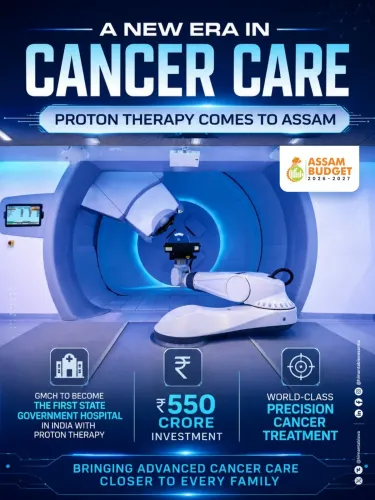
Assam signed a ₹600 crore agreement with IBA Particle Therapy India to build India's first state-government-initiated Proton Beam Therapy Centre in Guwahati, aiming to bring precision cancer treatment to the Northeast and neighbouring countries.
Key Takeaways
The Government of Assam signed an MoU with IBA Particle Therapy India Pvt.
Ltd. in Guwahati on 31 October 2026 for a Proton Beam Therapy Centre.
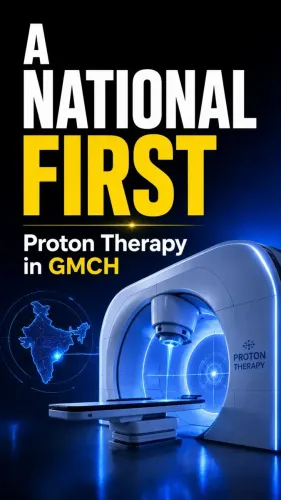
The project is estimated to cost ₹600 crore and will be India's first proton therapy centre established through a state government initiative .
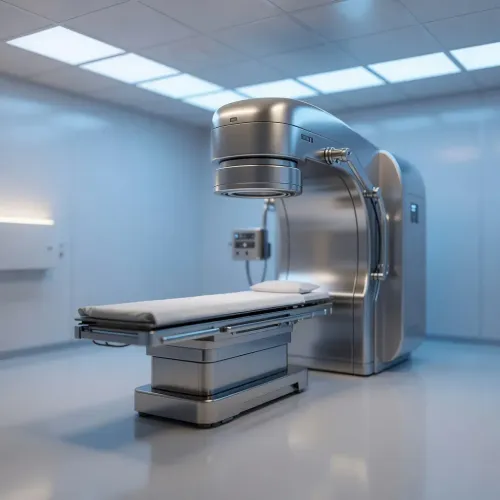
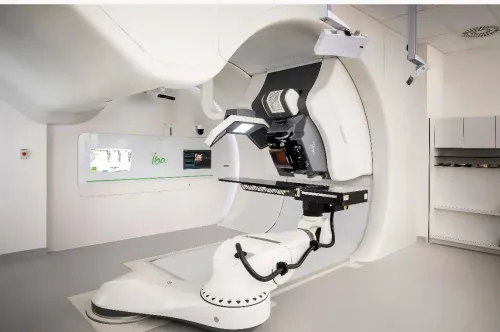
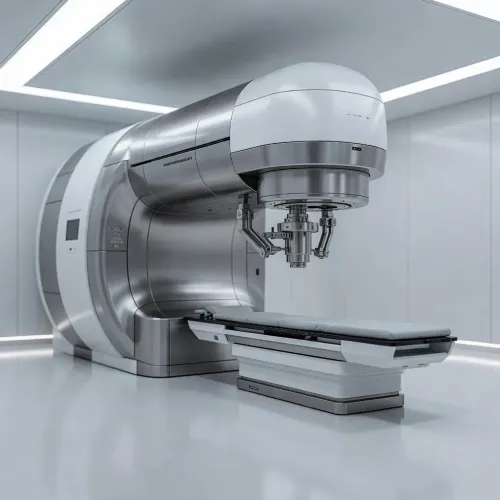
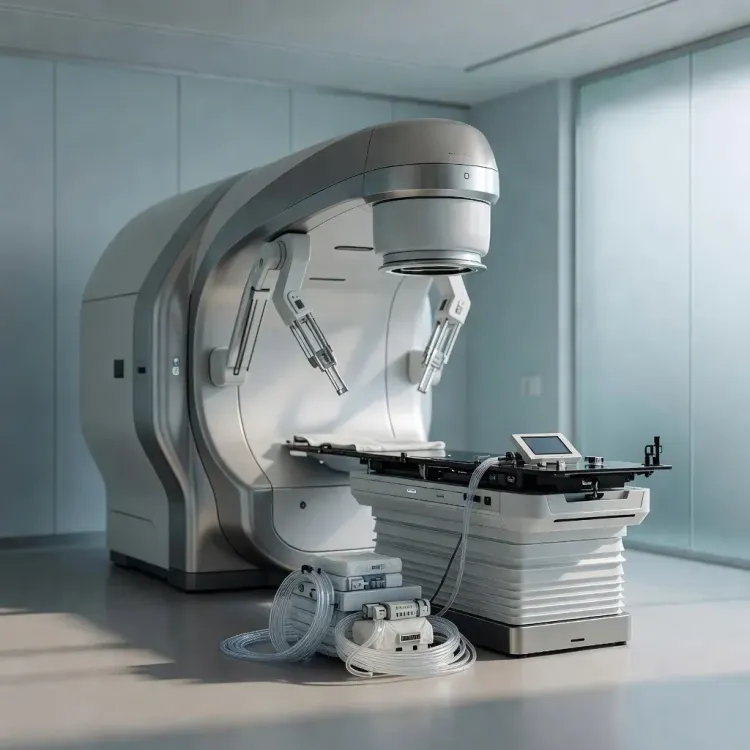
Proton Beam Therapy precisely targets tumours while minimising damage to surrounding healthy tissue, offering significant advantages over conventional radiotherapy.
The centre will serve patients across Assam , the Northeast , neighbouring states, and neighbouring countries .
The facility is expected to create new opportunities in medical physics , radiation oncology , and cancer research in the region.
IBA Particle Therapy India is the Indian arm of Belgian firm Ion Beam Applications , a global leader in proton therapy systems.
A cancer patient in Guwahati today stands closer to receiving the kind of precision tumour treatment previously available only in a handful of elite private hospitals in India's biggest metros. The Chief Minister's Office of Assam announced on 31 October 2026 that the Government of Assam has signed a landmark agreement with IBA Particle Therapy India Pvt. Ltd. in Guwahati to establish a Proton Beam Therapy Centre at an estimated cost of ₹600 crore — making it India's first such centre set up through a state government initiative.
What proton therapy means for patients in the Northeast
Proton Beam Therapy is not a marginal upgrade — it is a fundamentally different weapon against cancer. Unlike conventional radiotherapy, which deposits radiation energy along its entire path through the body, a proton beam can be tuned to release the bulk of its energy precisely at the tumour site, dramatically reducing damage to surrounding healthy tissue. For paediatric cancers, brain tumours, and cases near critical organs, that precision can mean the difference between cure and serious long-term side effects.
Northeast India carries one of the country's highest age-adjusted cancer incidence burdens for several cancer types, yet patients requiring advanced radiation oncology have historically had to travel to Chennai, Mumbai, or Delhi — a journey that is financially and logistically punishing for most families in the region. The new centre, once operational, would serve not only Assam's own population but also patients from neighbouring northeastern states and, as the announcement notes, from neighbouring countries — a quiet acknowledgement of Assam's geographic role as a healthcare hub for Bangladesh, Bhutan, and Myanmar.
IBA Particle Therapy: the Belgian firm behind the deal
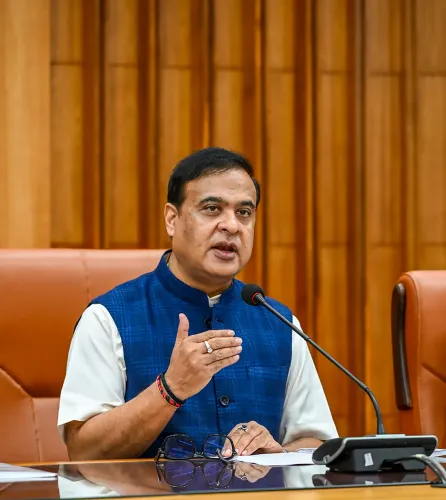
IBA Particle Therapy India Pvt. Ltd. is the Indian subsidiary of Ion Beam Applications (IBA), a Belgian company that is among the world's leading designers and installers of proton therapy systems. The agreement was signed in the presence of Chief Minister Dr. Himanta Biswa Sarma, signalling the political weight the state government is placing on this project.
Since taking office in 2021, Dr. Sarma has pushed an aggressive expansion of Assam's tertiary healthcare footprint — new medical colleges, upgraded district hospitals, and satellite facilities linked to national institutions. The proton centre represents the most capital-intensive single health infrastructure commitment of that run, and its public-funding model sets it apart from the handful of proton centres that exist or are planned in India under private-sector ownership.
A state-led bet on precision oncology
Across India, a quiet shift is under way: several state governments have begun signing direct technology-transfer agreements with global medical equipment firms rather than waiting for central institutes or private hospital chains to fill the gap. Assam's move is the most explicit example yet of a state anchoring high-end oncology infrastructure with public money in a region that private capital has largely bypassed.
The ₹600 crore facility is also expected to seed an ecosystem. The announcement specifically flags new opportunities in medical physics, radiation oncology, and cancer research — disciplines that require specialist training pipelines and could, over time, position Guwahati as a regional centre for oncology education alongside treatment.
Key questions remain open: the construction timeline, how medical physics and oncology teams will be recruited and trained, and whether the centre will eventually tie into national research bodies such as the Department of Atomic Energy, which oversees India's existing proton and heavy-ion research programmes. Those answers will determine whether the ₹600 crore translates into a functioning, staffed facility within a realistic window — or becomes another ambitious headline waiting for follow-through.
For now, the signing marks a clear inflection point. The Northeast has waited long enough for cancer care that doesn't begin with a one-way ticket out of the region.
Point of View
The project reinforces a political identity built around visible, large-ticket health infrastructure in a state that has historically exported its sickest patients to distant cities. The Northeast's documented cancer burden gives the initiative genuine public-health grounding beyond optics. Whether it delivers will hinge on execution — specifically, how fast Assam can build the specialist workforce that a proton centre demands, and whether the facility is priced accessibly enough to serve the patients it was announced to help.
NationPress
31 Oct 2026
Frequently Asked Questions
What is the Proton Beam Therapy Centre that Assam is building?
It is a ₹600 crore cancer treatment facility to be set up in Guwahati through an agreement between the Government of Assam and IBA Particle Therapy India Pvt. Ltd. It will use proton beams to precisely target tumours while minimising harm to healthy tissue, and will be India's first such centre established by a state government.
Why is proton beam therapy better than normal radiation therapy?
Proton beam therapy deposits most of its energy directly at the tumour site rather than along its entire path through the body, significantly reducing radiation exposure to surrounding healthy tissues. This makes it especially beneficial for paediatric cancers, brain tumours, and cancers near critical organs.
Who is IBA Particle Therapy India Pvt. Ltd.?
IBA Particle Therapy India is the Indian subsidiary of Ion Beam Applications (IBA), a Belgian company that is one of the world's leading designers and suppliers of proton therapy systems for cancer treatment.
Will the Assam proton therapy centre be open to patients from other states?
Yes. The Government of Assam has stated the centre will serve patients across Assam and the entire Northeast, as well as neighbouring states and neighbouring countries, positioning Guwahati as a regional oncology hub.
What career opportunities will the proton therapy centre create?
The facility is expected to open new opportunities in medical physics, radiation oncology, and cancer research, fields that require specialist training and could help build a skilled healthcare workforce in the Northeast over time.