Jal Jeevan Mission schemes must be fully functional, not partial: Assam PHE Minister
Synopsis
Assam PHE Minister Krishnendu Paul has drawn a hard line on the Jal Jeevan Mission: 'partially functioning' is no longer an acceptable status. At back-to-back district reviews in Darrang and Udalguri, he pushed officials to shift accountability from infrastructure completion to actual water delivery — a meaningful upgrade in how the mission's success will be measured.
Key Takeaways
Assam PHE Minister Krishnendu Paul chaired review meetings in Darrang and Udalguri on 17 November 2026 .
He directed that every water supply scheme under Jal Jeevan Mission (JJM) must be fully functional — not 'partially functioning'.
Meetings assessed progress under JJM 2.0 and Swachh Bharat Mission-Gramin (SBM-G) 2.0 .
District Commissioners Ayushi Jain (Darrang) and Pulak Patgiri (Udalguri), along with multiple MLAs, attended the reviews.
Paul called for coordinated action by the administration, elected representatives, and local communities to ensure timely project completion.
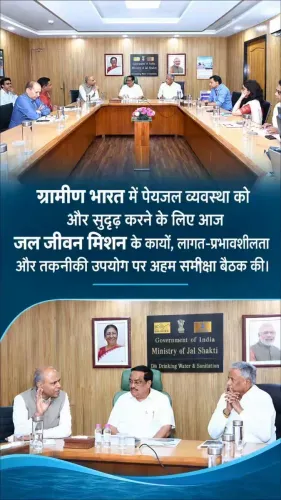
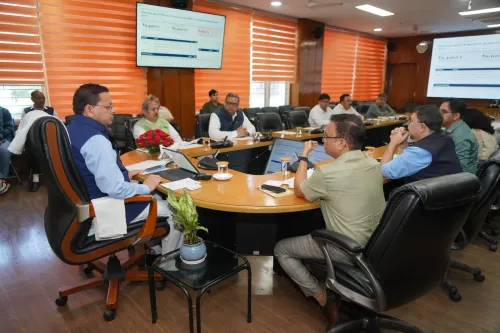
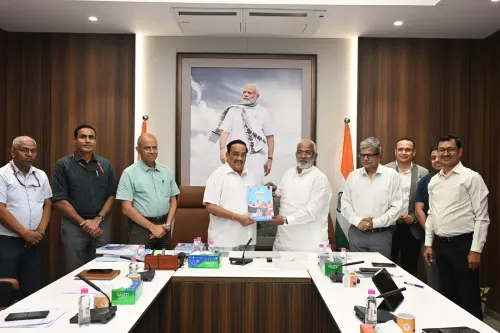
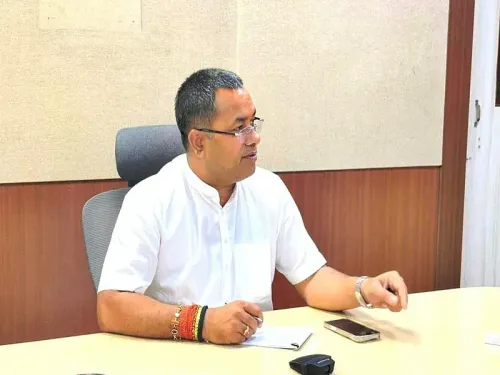
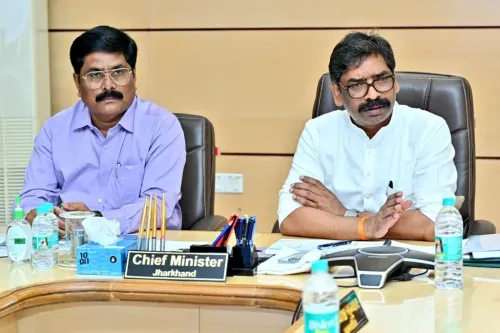
Assam Public Health Engineering (PHE) Minister Krishnendu Paul on Tuesday, 17 November 2026, directed district officials to ensure that every water supply scheme under the Jal Jeevan Mission (JJM) is fully operational, firmly rejecting the use of 'partially functioning' as an acceptable status for any project. The directives came during review meetings held across Darrang and Udalguri districts to assess progress under JJM 2.0 and Swachh Bharat Mission-Gramin (SBM-G) 2.0.
Key Directives from the Minister
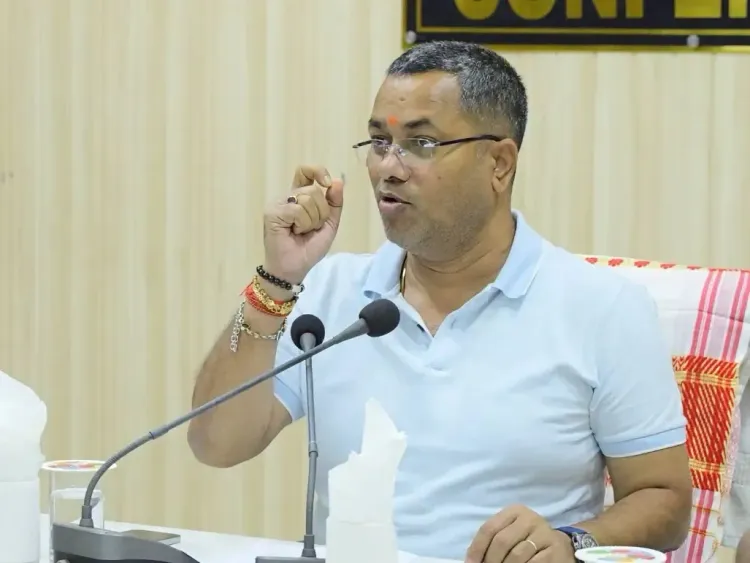
Chairing the review sessions, Paul stressed that the government's priority is effective service delivery — not merely the construction of infrastructure. 'Partially functioning should be avoided, and every water supply scheme must be operational,' he told assembled officials. He called for immediate removal of bottlenecks slowing ground-level execution, with a clear mandate that uninterrupted access to safe drinking water must reach every household.
Darrang District Meeting: What Was Reviewed
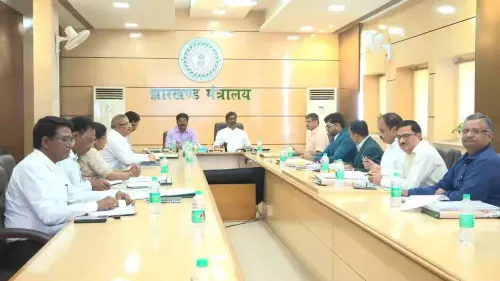
The first meeting was convened at the District Library in Mangaldai, where Paul reviewed drinking water and rural sanitation progress in Darrang. The session was attended by Animal Husbandry and Veterinary Minister and Mangaldai MLA Nilima Devi, Sipajhar MLA Paramananda Rajbongshi, former minister Basanta Das, former MLA and Assam Fisheries Development Corporation Chairman Gurujyoti Das, Darrang District Commissioner Ayushi Jain, and other senior officials and public representatives. The minister emphasised expediting field-level activities and strengthening coordination between the administration and local communities.
Udalguri Review: Focus on JJM 2.0 and SBM-G 2.0
A separate session was subsequently held at the Udalguri District Commissioner's office, where the focus was on JJM 2.0 and SBM-G 2.0 implementation in the district. MLAs Bekan Deka and Maheswar Boro, BTC Executive Member Begum Akhtara, District Commissioner Pulak Patgiri, and senior departmental officials were present. Paul called for coordinated efforts involving elected representatives, the district administration, and local communities to ensure timely project completion.
Broader Commitment on Rural Water and Sanitation
Paul reiterated that the PHE Department remains committed to delivering safe drinking water and improved sanitation to every household in the state. This comes amid a national push to consolidate gains from the first phase of the Jal Jeevan Mission, which aimed to provide tap water connections to all rural households by 2024 — a target that several states, including Assam, have been working to fully achieve. The minister's insistence on functional — not just installed — infrastructure signals a shift in accountability metrics from outputs to outcomes. How quickly district machinery translates these directives into on-ground results will determine whether the mission's promises are genuinely met.
Point of View
Not water hours delivered — a distinction that has masked significant last-mile gaps across north-east India. District-level reviews are a necessary mechanism, but without a public-facing dashboard tracking functional status at the village level, the accountability this minister is demanding will remain internal. The real test is whether these directives translate into verifiable outcome data — or stay as meeting minutes.
NationPress
17 Nov 2026
Frequently Asked Questions
What did Assam PHE Minister Krishnendu Paul direct at the Jal Jeevan Mission review?
Minister Krishnendu Paul directed officials in Darrang and Udalguri districts to ensure every water supply scheme under the Jal Jeevan Mission is fully operational. He explicitly rejected 'partially functioning' as an acceptable status, insisting that government focus must shift from building infrastructure to ensuring actual service delivery.
Which districts were covered in the 17 November review meetings?
The review meetings on 17 November 2026 covered Darrang and Udalguri districts in Assam. The Darrang meeting was held at the District Library in Mangaldai, and the Udalguri meeting at the District Commissioner's office.
What is Jal Jeevan Mission 2.0 and why is it significant for Assam?
Jal Jeevan Mission 2.0 is the continuation of the Centre's flagship programme to provide safe tap water to every rural household in India. For Assam, it represents an opportunity to consolidate first-phase gains and address gaps where connections were installed but water supply remains irregular or incomplete.
Who attended the district review meetings?
The Darrang meeting was attended by Minister Nilima Devi, MLAs Paramananda Rajbongshi, former minister Basanta Das, former MLA Gurujyoti Das, and District Commissioner Ayushi Jain. The Udalguri meeting included MLAs Bekan Deka and Maheswar Boro, BTC Executive Member Begum Akhtara, and District Commissioner Pulak Patgiri.
What is Swachh Bharat Mission-Gramin 2.0?
Swachh Bharat Mission-Gramin 2.0 is the second phase of the Centre's rural sanitation programme, focusing on sustaining open-defecation-free status and improving solid and liquid waste management in villages. It was reviewed alongside JJM 2.0 at both district meetings chaired by Minister Paul.