Assam PM POSHAN scheme covers 28.97 lakh children in 2026-27
Synopsis
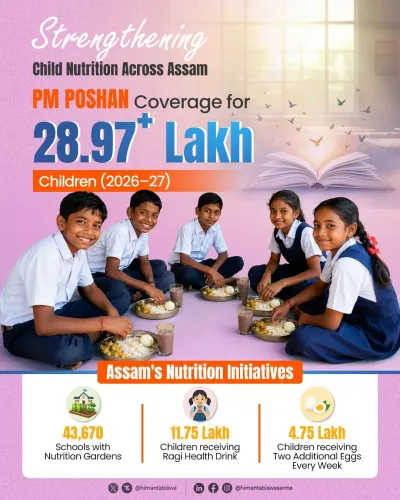
Assam is going well beyond the standard mid-day meal playbook — 43,670 school Nutrition Gardens, ragi drinks reaching 11.75 lakh children, and extra weekly eggs for 4.75 lakh students, all stacked on top of PM POSHAN coverage for nearly 29 lakh children. It is one of the most layered state-level school nutrition expansions in India this year.
Key Takeaways
Assam is covering 28.97 lakh children under the PM POSHAN scheme in 2026-27 .
43,670 schools across the state have established Nutrition Gardens to promote locally grown produce.
Around 11.75 lakh children are currently receiving ragi-based health drinks as part of the expanded programme.
Approximately 4.75 lakh children are getting two additional eggs per week to boost protein intake.
Chief Minister Himanta Biswa Sarma said the measures target children from government and government-aided schools across Assam.
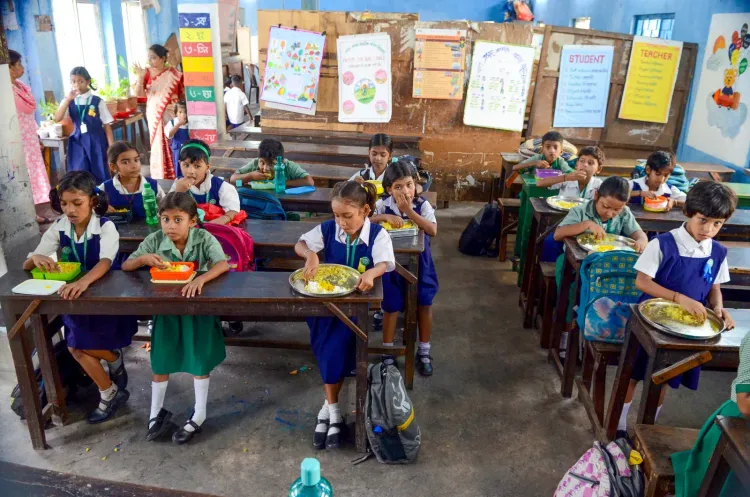
The Assam government is significantly scaling up its school nutrition programme under the PM POSHAN scheme, with 28.97 lakh children set to benefit during 2026-27, Chief Minister Himanta Biswa Sarma announced on Tuesday, 11 August 2026. The expanded initiative places a sharper focus on dietary diversity, locally sourced food, and protein-rich supplements to address nutritional gaps among school-going children across the state.
Key Developments in the Expanded Programme
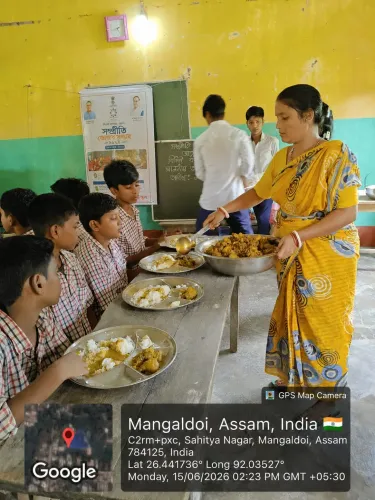
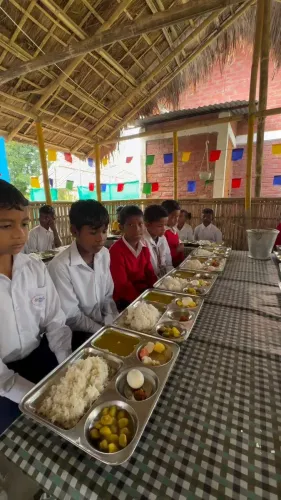
As part of the enhanced nutrition strategy, the state has rolled out several targeted interventions alongside the core mid-day meal framework. These include the establishment of Nutrition Gardens in schools, the distribution of ragi-based health drinks, and the provision of additional eggs in weekly meals. Chief Minister Sarma stated that the measures are designed to ensure children from government and government-aided schools do not have to choose between attending school and receiving adequate nourishment.
Nutrition Gardens and Ragi Drinks: Scale and Reach
As many as 43,670 schools across Assam have set up Nutrition Gardens, which promote the cultivation and consumption of locally grown produce. The gardens also serve as an educational tool, building awareness among students about healthy diets and sustainable food practices.
The state has simultaneously expanded the reach of ragi-based health drinks, with approximately 11.75 lakh children currently benefiting from the initiative. Ragi, valued for its rich mineral content and high nutritional density, is being incorporated into the school nutrition programme as a cost-effective means of improving dietary diversity.
Egg Distribution and Protein Supplementation
A major addition to the programme is the weekly provision of two extra eggs for eligible students. Around 4.75 lakh children are currently receiving the additional eggs, which officials say is aimed at addressing protein deficiencies, particularly among children from economically vulnerable households. The supplementation complements the existing PM POSHAN meals rather than replacing any existing component.
Impact on Learning Outcomes and Attendance
Officials noted that strengthening nutritional support is expected to contribute to improved school attendance, better concentration, and stronger overall learning outcomes. This comes amid broader evidence that mid-day meal programmes, when well-implemented, reduce dropout rates and improve classroom engagement — particularly at the primary level. Assam's expanded approach, which integrates community participation through school-based gardens, also seeks to deepen local ownership of child nutrition.
What Comes Next
With 28.97 lakh children covered under PM POSHAN in 2026-27, the state government is looking to further consolidate the programme by combining regular school meals with targeted nutritional interventions tailored to local dietary patterns. The initiatives signal Assam's intent to position school nutrition as a structural pillar of its education and child welfare policy, rather than a standalone welfare measure.
Point of View
Ragi drinks, and extra eggs on top of PM POSHAN — is notable precisely because it moves beyond the one-size-fits-all central scheme and adapts to local food culture. The real test, however, is implementation fidelity: Nutrition Garden coverage at 43,670 schools is an impressive headline, but without independent monitoring of whether gardens are actively producing and whether supplements are reaching the most vulnerable children consistently, the numbers risk becoming targets rather than outcomes. Nutritional deficiency among school-age children in Assam is a documented public health concern, and the state deserves credit for the ambition — but the gap between enrolment in a scheme and measurable improvement in child health indicators is where most such programmes have historically stumbled.
NationPress
26 Sept 2026
Frequently Asked Questions
How many children are covered under PM POSHAN in Assam in 2026-27?
Assam is covering 28.97 lakh children under the PM POSHAN scheme during 2026-27, according to Chief Minister Himanta Biswa Sarma. The programme targets students enrolled in government and government-aided schools across the state.
What are Nutrition Gardens in Assam schools?
Nutrition Gardens are school-based plots where students grow locally relevant nutritious produce. As many as 43,670 schools in Assam have established such gardens, aimed at promoting healthy eating habits and sustainable food practices among children.
Which children are receiving ragi-based health drinks in Assam?
Around 11.75 lakh children across Assam are currently benefiting from ragi-based health drinks introduced under the expanded PM POSHAN programme. Ragi was chosen for its high mineral content and nutritional value as a means of improving dietary diversity.
How many children are getting extra eggs under the Assam school nutrition programme?
Approximately 4.75 lakh children are receiving two additional eggs every week as part of the expanded programme. The egg supplementation targets protein deficiency, particularly among children from economically vulnerable families.
Why is Assam expanding its school nutrition programme?
Officials say stronger nutritional support is linked to improved school attendance, better concentration, and stronger learning outcomes. The expansion is also aimed at addressing nutritional deficiencies among children from low-income households who depend on school meals as a primary source of balanced nutrition.