Modi has vision for planet's future, says Ayurveda Sweden Association chief in Gothenburg
Synopsis
On the sidelines of PM Modi's Gothenburg visit, Ayurveda Sweden Association chief Stina Andersson called him one of the world's only leaders with a genuine planetary vision — and argued that a pending India-Sweden FTA could make Ayurveda a cornerstone of European healthcare reform.
Key Takeaways
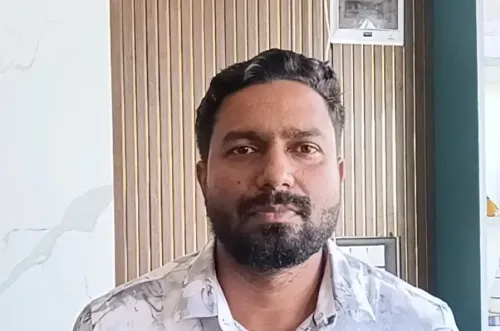
Ayurveda Sweden Association Chairperson Stina Andersson praised PM Modi as a rare global leader with 'a vision for the planet and for the future' during his Gothenburg visit on 18 May .
Andersson said the proposed India-Sweden Free Trade Agreement (FTA) could create major opportunities for Ayurvedic exchange between India and Europe.
She cited 80 per cent of modern diseases as lifestyle-related, positioning Ayurveda's preventive routines as a cost-efficient solution for strained healthcare systems.
Andersson flagged potential for AI and nanotechnology to advance Ayurvedic science, particularly in understanding herb-body interactions.
Sweden has established Ayurveda 'on a very basic level' and is now ready to deepen bilateral collaboration with India, including exchanges of Vaidyas and practitioners.
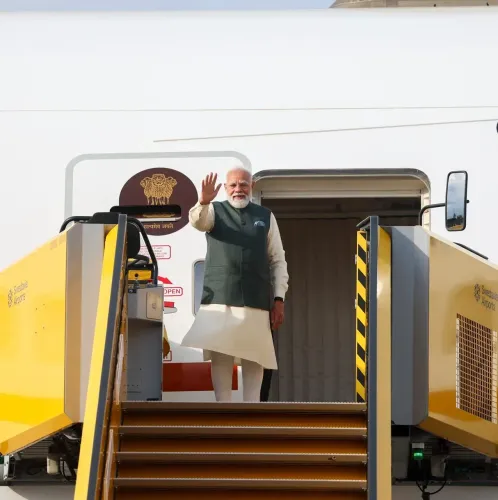
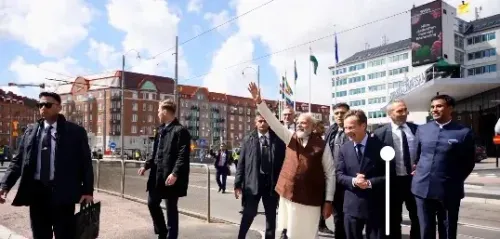
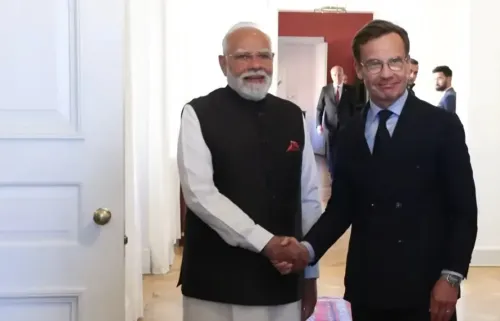
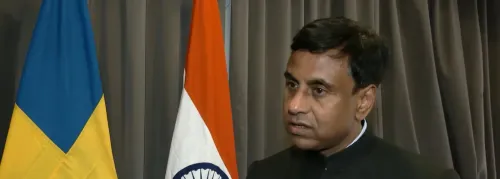
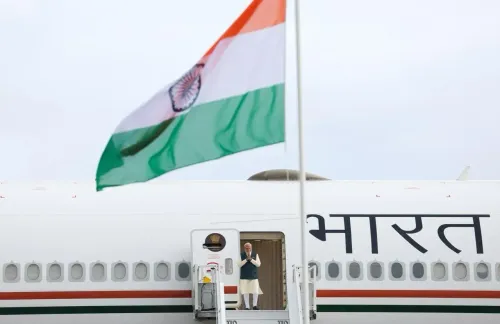
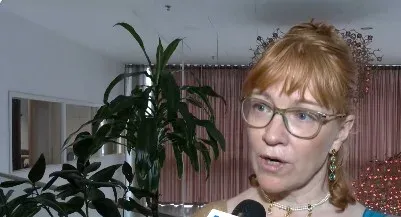
Ayurveda Sweden Association Chairperson Stina Andersson on Sunday, 18 May praised Prime Minister Narendra Modi as 'one of the only leaders in the world right now who have a vision for the planet and for the future,' as Modi concluded his visit to Gothenburg, Sweden. Andersson made the remarks while promoting Ayurveda — the ancient Indian holistic healing system — on the sidelines of the Prime Minister's visit, calling the moment a significant milestone for India-Sweden wellness cooperation.
Ayurveda and the India-Sweden Free Trade Agreement
Andersson expressed optimism that the proposed India-Sweden Free Trade Agreement (FTA) could open substantial new avenues for Ayurvedic exchange. 'When we start this Free Trade Agreement and when we will execute it, there will be great opportunities for people from Sweden to go to India and also from Indian people to come here and to all over Europe,' she said. She described Ayurveda as 'one of the most important knowledge that could be shared in the world today,' citing mounting pressure on healthcare systems globally as a key driver of demand.
The Case for Ayurveda in Modern Healthcare
The Ayurveda Sweden Association chief argued that Ayurveda's cost-efficiency sets it apart. 'It's aiming to see how people themselves can use daily routines to heal,' Andersson noted, adding that integrating Ayurvedic medicine with modern medicine could have 'a huge impact on our economy.' She pointed out that 80 per cent of diseases today are lifestyle-related, and that Ayurveda's emphasis on daily and seasonal routines offers a practical preventive framework. Andersson also highlighted the potential for advanced technologies — including AI and nanotechnology — to deepen understanding of how Ayurvedic herbs interact with the human body.
India-Sweden Ayurveda Collaboration: The Road Ahead
Andersson outlined a vision for structured bilateral exchange, including Indian Vaidyas (traditional physicians) travelling to Sweden and Swedish practitioners visiting India to study Ayurveda in its native context. She noted that Ayurvedic practice in Nordic countries must be adapted to local conditions, which differ significantly from the Indian subcontinent. 'We have established Ayurveda here on a very basic level and now we are ready to take the next step,' she said. Formal collaboration agreements, she added, would make such exchanges significantly easier to operationalise.
Modi's Visit: A Turning Point for Wellness Diplomacy
Andersson described Prime Minister Modi's Gothenburg visit as 'a fantastic experience,' calling it 'a huge step for Sweden and especially for Ayurveda.' The visit, she said, underscored growing global recognition of traditional Indian wellness systems at the highest levels of statecraft. This comes amid India's broader push to internationalise Ayurveda through platforms such as the World Health Organization's traditional medicine frameworks and bilateral wellness partnerships. How the proposed FTA and resulting people-to-people exchanges take shape will determine whether this diplomatic momentum translates into tangible growth for Ayurveda in Europe.
Point of View
But the substance beneath them is worth tracking: an Ayurveda advocate in a Nordic country explicitly tying traditional Indian medicine to a trade agreement signals that wellness is quietly becoming a soft-power lever in India's bilateral diplomacy. The FTA framing is significant — it moves the Ayurveda conversation from cultural exchange to economic opportunity. Yet the gap between enthusiasm and institutionalisation remains wide; Nordic healthcare systems are evidence-driven, and Ayurveda's integration will require rigorous clinical validation frameworks that neither side has publicly detailed. Modi's visit may have opened the door, but the hard work of standards, licensing, and mutual recognition lies entirely ahead.
NationPress
7 Oct 2026
Frequently Asked Questions
What did the Ayurveda Sweden Association chief say about PM Modi?
Stina Andersson, Chairperson of the Ayurveda Sweden Association, said PM Modi is 'one of the only leaders in the world right now who have a vision for the planet and for the future.' She made the remarks on 18 May in Gothenburg as Modi concluded his visit to Sweden.
How could the India-Sweden Free Trade Agreement benefit Ayurveda?
Andersson said the proposed FTA would create opportunities for Indian Vaidyas and practitioners to travel to Sweden, and for Swedish professionals to visit India to study Ayurveda. She believes the agreement could help expand Ayurveda's reach across Europe.
Why does Stina Andersson believe Ayurveda is needed in Sweden?
Andersson argues that 80 per cent of modern diseases are lifestyle-related, and that Ayurveda's focus on daily and seasonal routines offers a cost-efficient, preventive alternative to overburdened conventional healthcare systems. She also sees potential for AI and nanotechnology to advance Ayurvedic science.
What is the current status of Ayurveda in Sweden?
According to Andersson, Ayurveda has been established in Sweden 'on a very basic level' and the country is now ready to take the next step. She envisions formal collaboration agreements with India to facilitate practitioner exchanges and deepen integration of Ayurveda into Swedish healthcare.
What is Ayurveda and why is it relevant globally?
Ayurveda is an ancient Indian holistic healing system that seeks to balance the mind, body, and spirit through personalised diets, lifestyle routines, yoga, and herbal therapies. Andersson argues its relevance is growing as healthcare systems worldwide face structural crises driven largely by lifestyle diseases.