Bengal sets up 18-member panel to review illegal madrasa survey in 12 districts
Synopsis
West Bengal's BJP government has moved to a second round of scrutiny on unrecognised madrasas, deploying an 18-member panel across 12 high-density districts — including Murshidabad and Malda — before taking final administrative action. With closures and prosecutions on the table, the outcome of the 21 July report could reshape madrasa education across the state.
Key Takeaways
West Bengal's Minority Affairs and Madrasah Education Department has formed an 18-member review committee to assess the illegal madrasa survey.
The panel will visit 12 districts starting 15 July and submit its report by 21 July .
Districts covered include Murshidabad , Malda , North 24 Parganas , Howrah , and eight others with high concentrations of unrecognised madrasas.
The survey follows a June 2025 notification directing District Magistrates to report on all madrasas by 5 July .
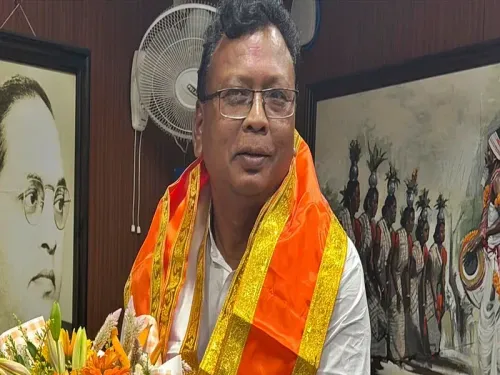
Minister Khudiram Tudu has said illegal madrasas will be closed and those responsible will be prosecuted.
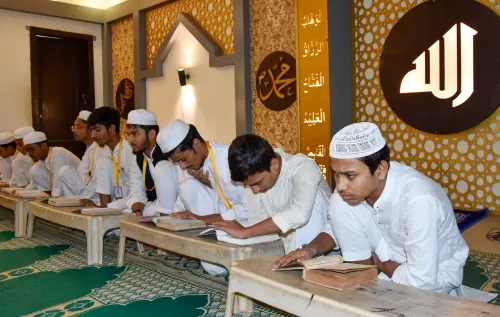
West Bengal's Minority Affairs and Madrasah Education Department has constituted an 18-member review committee to assess the ongoing survey identifying illegally operated, unrecognised madrasas — locally termed 'Khariji Madrasahs' — across 12 districts of the state. The panel is expected to begin district visits from 15 July and submit a detailed report to the department by 21 July.
Districts Under Review
The 12 districts flagged for the second-round survey are Cooch Behar, North Dinajpur, Malda, Murshidabad, Birbhum, West Midnapore, East Midnapore, Nadia, Hooghly, Howrah, North 24 Parganas, and South 24 Parganas. State government insiders indicated these districts were prioritised due to a high concentration of unrecognised madrasas identified in preliminary District Magistrate reports.
How the Survey Unfolded
The process began in May 2025, when Khudiram Tudu, newly appointed as Minority Affairs and Madrasah Education Minister in the Bharatiya Janata Party (BJP)-led West Bengal government, announced a crackdown on illegally operating madrasas. In the first week of June, a formal notification directed all District Magistrates (DMs) to submit comprehensive madrasa reports to the state secretariat at Nabanna by 5 July.
Those reports required details including the date of a madrasa's founding, its registration status with the department, student enrolment figures, teaching and non-teaching staff strength, whether the institution was residential, and the curriculum offered.
What the Government Has Said
With preliminary DM reports now in hand, the state government has opted for a second layer of review before taking final administrative decisions. An official from the Nabanna secretariat confirmed that the review committee's recommendations will guide further departmental action.
Minister Tudu had earlier stated that madrasas found to be operating illegally would be shut down and those responsible would face punishment. 'In future too, the state administration will remain cautious to ensure that illegal madrasas do not surface anywhere,' Tudu said.
What Happens Next
The 18-member panel's report, due by 21 July, will form the basis for the state government's final call — which could include closures, regularisation proceedings, or legal action against those running unrecognised institutions. The exercise marks one of the most systematic state-level audits of madrasa education in West Bengal in recent years.
Point of View
Legally defensible approach rather than a hasty crackdown, likely mindful of the political sensitivity in Muslim-majority districts like Murshidabad and Malda. But the real question is what the state does with the 21 July report: closures without rehabilitation or alternative schooling options could displace thousands of students. The exercise also sets a precedent that other BJP-governed states may watch closely, making the administrative quality of the final decision as consequential as the political signal it sends.
NationPress
10 Oct 2026
Frequently Asked Questions
What are 'Khariji Madrasahs' in West Bengal?
'Khariji Madrasahs' are privately run, unrecognised madrasas that operate outside the regulatory framework of West Bengal's Minority Affairs and Madrasah Education Department. They are not registered with the state and do not receive government grants, making their operations technically illegal under state education norms.
Why has West Bengal formed an 18-member review committee?
The committee was formed to conduct a second-round field assessment across 12 districts where preliminary District Magistrate reports flagged a high number of unrecognised madrasas. The state government wants the panel's detailed findings before taking final administrative action, which could include closures or legal proceedings.
Which districts are covered under the madrasa review?
The 12 districts are Cooch Behar, North Dinajpur, Malda, Murshidabad, Birbhum, West Midnapore, East Midnapore, Nadia, Hooghly, Howrah, North 24 Parganas, and South 24 Parganas. These were identified from preliminary DM reports as having a significant concentration of unrecognised madrasas.
When will the review panel submit its report?
The 18-member committee is scheduled to begin district visits on 15 July and submit its detailed report to the Minority Affairs and Madrasah Education Department by 21 July 2025. The department will then decide on further action based on the panel's recommendations.
What action could the state government take against illegal madrasas?
Minister Khudiram Tudu has stated that madrasas found to be operating illegally will be shut down and those responsible will face punishment. The final decision will be guided by the review committee's report due on 21 July.