Bihar CM announces deluxe buses on 5 inter-state routes
Synopsis
The Chief Minister's Office of Bihar announced on 25 July 2026 that new deluxe buses will run on major inter-state routes to Delhi, Uttar Pradesh, Jharkhand, West Bengal, and Haryana, promising passengers better connectivity and higher-quality travel.
Key Takeaways
Bihar's Chief Minister announced new deluxe bus services on major inter-state corridors.
Routes will cover Delhi , Uttar Pradesh , Jharkhand , West Bengal , and Haryana .
The stated goals are better connectivity, more comfortable travel, and high-quality transport facilities for passengers.
The move continues Bihar's pattern of upgrading public transport links with northern and eastern Indian states.
Specific bus numbers, fares, frequency, and deployment timelines have not yet been officially announced.
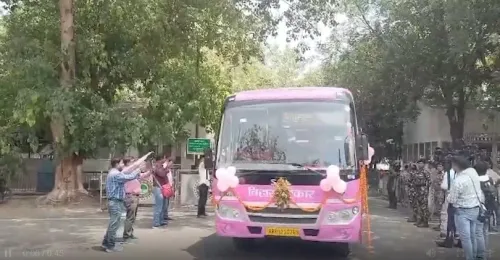
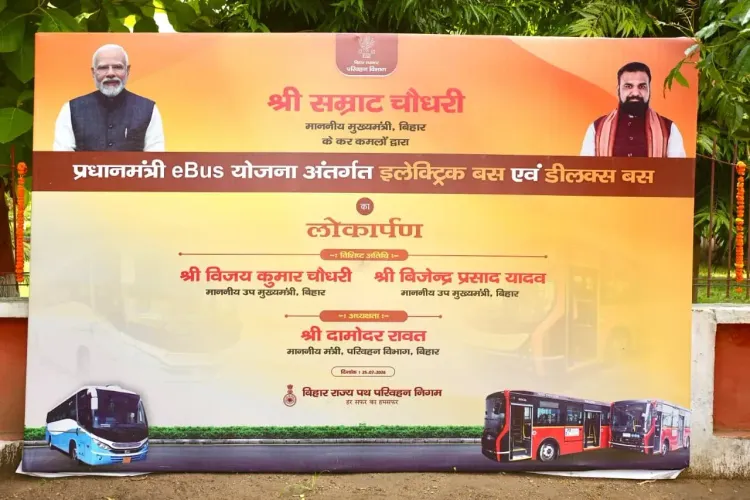
The Chief Minister's Office of Bihar announced on Saturday, 25 July 2026 that the state will operate new deluxe buses on major inter-state routes, including services to Delhi, Uttar Pradesh, Jharkhand, West Bengal, and Haryana, promising improved connectivity and higher-quality travel for passengers.
Context
The Chief Minister's Office shared the announcement in a post on X, quoting the Chief Minister as saying: 'nayi deluxe bason ka sanchalan Delhi, Uttar Pradesh, Jharkhand, Paschim Bengal evam Haryana sahit pramukh antarrajyiya margon par kiya jayega' — ('new deluxe buses will be operated on major inter-state routes including Delhi, Uttar Pradesh, Jharkhand, West Bengal and Haryana'). The statement further noted that passengers would benefit from 'better connectivity, more comfortable travel, and high-quality transport facilities.'
The announcement covers five states that represent key migration, trade, and travel corridors for Bihar's population, particularly for the large number of residents who commute to Delhi and neighbouring states for work and commerce.
Policy Backdrop
Bihar has periodically upgraded its state-run bus fleet and expanded inter-state routes through the 2010s and 2020s as part of broader transport modernisation efforts. The latest move aligns with a wider pattern across Indian states of investing in comfortable, high-capacity bus services to support labour mobility and reduce dependence on private or unregulated operators.
The Bihar State Road Transport Corporation has been the primary vehicle for such expansions. Deluxe and air-conditioned bus services on inter-state corridors have been a recurring policy instrument used by state governments to retain ridership and improve public transport's competitive standing against private alternatives.
Stakeholders and Impact
The primary beneficiaries are inter-state passengers travelling between Bihar and the five named states — a group that includes daily commuters, seasonal migrant workers, students, and traders. Better connectivity on these corridors directly affects the livelihoods of a significant share of Bihar's working population.
The move also carries implications for road transport operators and private bus services currently operating on these routes, as improved state-run alternatives could shift passenger preference. For the state government, expanded premium services represent both a revenue opportunity and a public-service commitment.
What's Next
The key variables to watch are the procurement and deployment timelines for the new deluxe buses, as well as how these services will be integrated into existing schedules and ticketing systems. Actual rollout details — including the number of buses, frequency of services, and fare structures — are yet to be officially announced.
If implemented as described, the expanded network would mark a meaningful step in Bihar's effort to position its public transport as a credible, comfortable option for inter-state travel across northern and eastern India.
Point of View
Tangible, and aimed at a politically significant constituency of inter-state commuters and migrant workers who form a core voter base in Bihar. Framing the expansion around comfort and connectivity rather than cost signals that the government is targeting the aspirational middle-income traveller, not just the price-sensitive one. For a state long criticised for infrastructure deficits, such announcements serve a dual purpose: they advance genuine mobility goals while reinforcing the ruling establishment's development narrative ahead of any electoral cycle. The real test, as always in Bihar's transport history, will be whether procurement and operations follow through at the pace the announcement implies.
NationPress
25 Jul 2026
Frequently Asked Questions
Which states will Bihar's new deluxe buses connect to?
The new deluxe buses will operate on inter-state routes to Delhi, Uttar Pradesh, Jharkhand, West Bengal, and Haryana, according to the Chief Minister's Office of Bihar.
When will Bihar's new inter-state deluxe bus services start?
An exact launch date has not been officially announced. The Chief Minister's Office confirmed the plan on 25 July 2026, but deployment timelines are yet to be detailed.
Who operates inter-state buses in Bihar?
Inter-state bus services in Bihar are primarily operated by the Bihar State Road Transport Corporation, which has periodically expanded its fleet and routes as part of the state's transport modernisation efforts.
What benefits will the new deluxe buses offer passengers?
The Chief Minister stated that passengers will receive better connectivity, more comfortable travel, and high-quality transport facilities on the new inter-state deluxe bus routes.
Why is Bihar expanding its inter-state bus network?
The expansion aims to support labour mobility and trade, reduce dependence on private or unregulated transport, and provide Bihar residents with a reliable, comfortable option for travel to key northern and eastern Indian states.