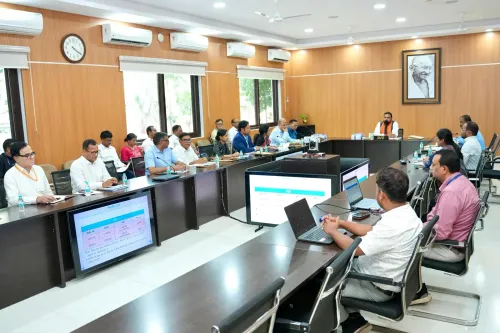
Bihar CM's Office: AI to boost MLA, MLC capacity
Synopsis
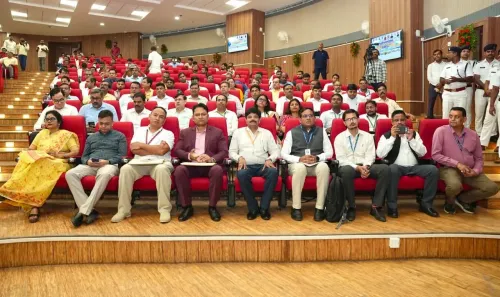
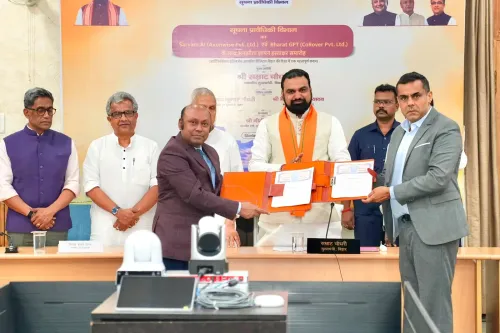
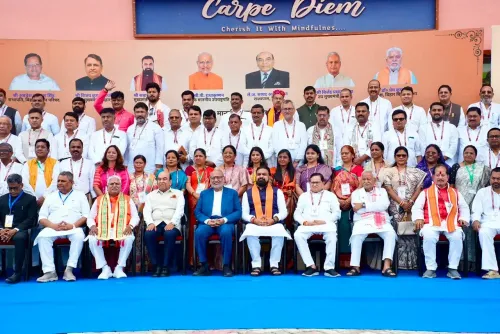
The Chief Minister's Office of Bihar announced on 6 August 2026 that AI and digital technology will be used to build the capacity of state MLAs and MLCs, promising marked improvements in the quality, transparency, accountability, and effectiveness of development work.
Key Takeaways
The Chief Minister's Office of Bihar announced on 6 August 2026 that AI and digital technology will be used to enhance the capacity of state legislators.
Both the Bihar Legislative Assembly (MLAs) and the Bihar Legislative Council (MLCs) are covered under the initiative.
The stated goals are improved quality, transparency, accountability, and effectiveness in development works.
The push aligns with the Digital India programme (2015) and NITI Aayog's National Strategy for AI (2018).
Specific implementation details — training modules, workshops, or technology partners — have not yet been announced.
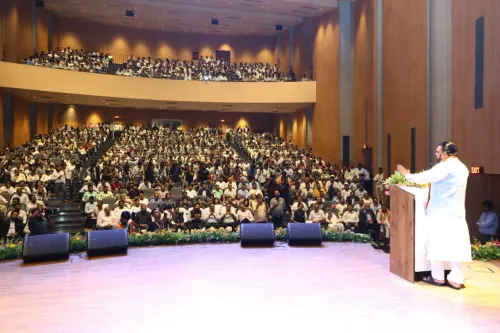
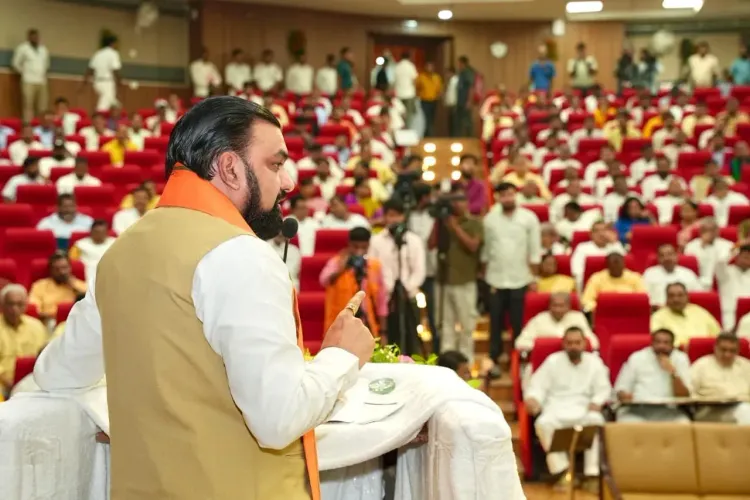
Bihar's legislature is preparing to meet the digital age head-on. The Chief Minister's Office of Bihar declared on 6 August 2026 that artificial intelligence and digital technology will be deployed to sharpen the capabilities of the state's elected representatives — its MLAs and MLCs — with a direct promise of better quality, transparency, accountability, and effectiveness in development work.
The post, in Hindi, stated: 'कृत्रिम बुद्धिमत्ता (AI) एवं डिजिटल तकनीक के प्रभावी उपयोग से हमारे विधायक एवं विधान पार्षदों का क्षमता वर्धन होगा' — 'Effective use of artificial intelligence and digital technology will enhance the capacity of our MLAs and MLCs.' The office added that this will bring 'remarkable improvement' in the quality, transparency, accountability, and effectiveness of development activities.
Bihar's two houses and the governance gap AI aims to close
Bihar operates a bicameral legislature: the Bihar Legislative Assembly, the lower house of elected MLAs, and the Bihar Legislative Council, the upper house of MLCs. Both bodies oversee state legislation and the delivery of development projects across one of India's most populous states. Bridging the gap between legislative intent and on-ground execution has long been a challenge — and the CMO is now positioning AI and digital tools as the lever to close it.
The move fits within a well-established national policy arc. The Digital India programme, launched by the Government of India in 2015, set the foundation for technology-enabled governance across states. NITI Aayog followed in 2018 with India's National Strategy for AI, explicitly promoting responsible AI adoption in public service delivery. Bihar's push for legislator-level capacity building is a downstream expression of both frameworks.
A pattern taking shape across Indian states
Bihar is not alone. Across India, state governments have increasingly piloted AI and digital tools for legislative capacity building as part of broader e-governance reforms — focusing on data-driven decision-making, real-time monitoring of development projects, and digital audit trails that strengthen accountability. What sets this announcement apart is its explicit focus on the legislators themselves, not just the bureaucracy.
Training elected representatives — rather than only civil servants — to use digital tools meaningfully is a harder institutional lift. It signals an intent to push accountability upstream, to the point where policy is made and funds are sanctioned. The specifics — training modules, pilot workshops, technology partners — are yet to be announced.
If Bihar's legislature follows through, it could set a replicable template for other large, complex states where the distance between a legislator's promise and a project's delivery has historically been difficult to measure, let alone close.
Point of View
Not just administrators — which is a meaningful shift from conventional e-governance pilots that typically target bureaucratic workflows. Positioning AI as a capacity-building tool for legislators rather than a surveillance or audit mechanism is politically shrewd: it frames technology as empowerment, not oversight. The initiative fits Bihar's longer trajectory of aligning with central government digital frameworks, but its real test will be in implementation — whether it produces measurable changes in how legislators engage with development data, or remains a statement of intent. Watched alongside similar moves in other large states, it could signal a new phase of legislative modernisation in India's federal system.
NationPress
20 Sept 2026
Frequently Asked Questions
What did the Bihar CM's Office announce about AI for legislators?
The Chief Minister's Office of Bihar announced on 6 August 2026 that artificial intelligence and digital technology will be used to enhance the capacity of Bihar's MLAs and MLCs, with the goal of improving quality, transparency, accountability, and effectiveness in development work.
Which legislators are covered under Bihar's AI capacity-building plan?
The initiative covers members of both houses of Bihar's legislature — MLAs of the Bihar Legislative Assembly and MLCs of the Bihar Legislative Council.
How does this relate to the Digital India programme?
Bihar's move aligns with the Digital India programme launched by the Government of India in 2015, which promotes technology-enabled governance and e-governance reforms across states, including Bihar.
What is NITI Aayog's role in AI governance in India?
NITI Aayog released India's National Strategy for AI in 2018, laying out a framework for responsible adoption of artificial intelligence in governance and public service delivery, which state-level initiatives like Bihar's draw upon.
What specific AI tools or training programmes will Bihar use for MLAs and MLCs?
No specific implementation details — such as training modules, pilot workshops, or technology partners — have been announced yet. The CMO's statement outlines the intent and expected outcomes, with details expected in future announcements.