Bihar couple's PMFME noodle venture employs 10 in Sheikhpura
Synopsis
A homemaker from Sheikhpura, Bihar, used the PMFME scheme to co-found Smriti Noodles — a business that now employs 10 people and receives orders from three neighbouring districts. It is a ground-level demonstration of how targeted micro-enterprise support can convert household financial stress into community-level job creation.
Key Takeaways
Sanjay Kumar and Ranjana Kumari of Sheikhpura district, Bihar , launched Smriti Noodles under the PMFME scheme .
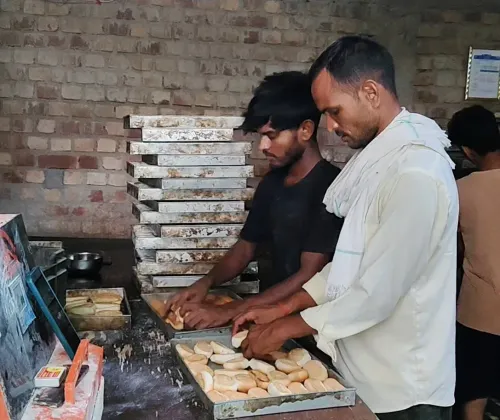
The business currently employs 10 people regularly, including both men and women.
Orders are being received from neighbouring districts including Nalanda , Nawada , and Rajgir .
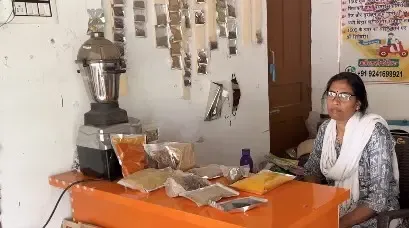
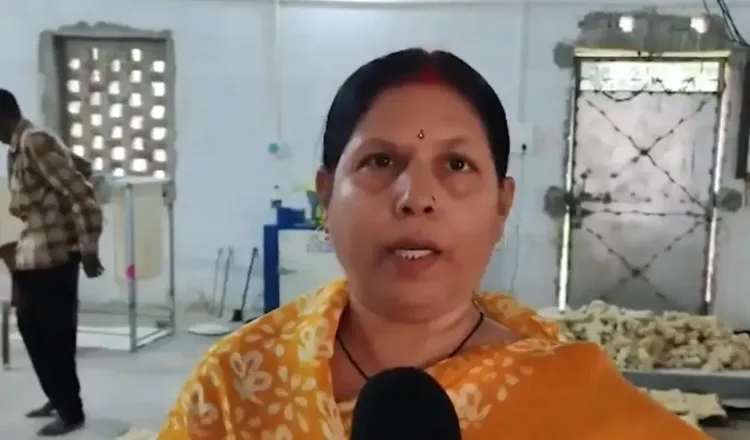
Ranjana, formerly a homemaker, used government-assisted funding to install machinery and begin production.
The PMFME scheme provides credit-linked subsidies and support to unorganised micro food-processing units across India.
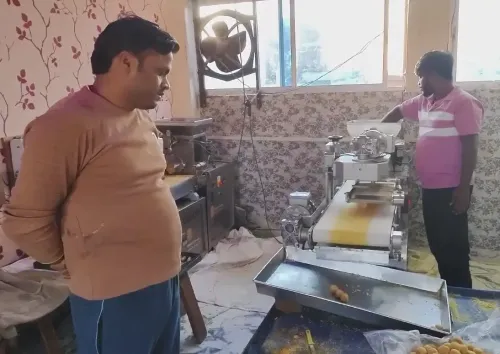
A couple from Sheikhpura district, Bihar, has built a thriving noodle-manufacturing business under the Pradhan Mantri Formalisation of Micro Food Processing Enterprises (PMFME) scheme, turning a difficult financial period into a story of local entrepreneurship. Sanjay Kumar and Ranjana Kumari launched Smriti Noodles with government assistance and now employ 10 people from the surrounding area on a regular basis.
From Homemaker to Entrepreneur
Ranjana had long wanted to start her own venture, but rising inflation and household expenses — including her children's education — made it seem out of reach. It was during this period that the couple learnt about the PMFME scheme, which provides financial and institutional support to small food-processing businesses. After applying under the programme, they received government assistance that enabled them to install the necessary machinery and begin noodle production.
Once a full-time homemaker, Ranjana has since become an entrepreneur in her own right. She noted that both men and women are employed at the unit, underlining the venture's broader social impact in a district where formal employment opportunities are limited.
Growing Demand Beyond District Borders
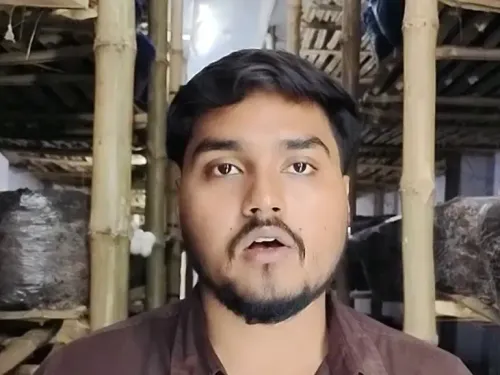
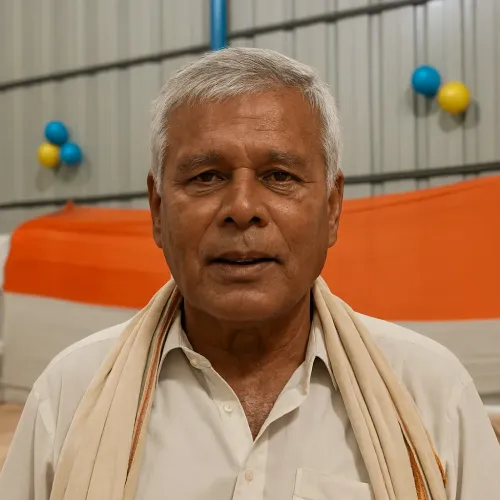
According to Sanjay Kumar, orders for Smriti Noodles are now arriving from several neighbouring districts, including Nalanda, Nawada, and Rajgir. The expanding order book signals that the business has moved well beyond a local experiment into a commercially viable enterprise. Sanjay said the venture has given his wife — and the family — a new identity in the community.
What the PMFME Scheme Offers
The PMFME scheme, launched by the Centre under the Atmanirbhar Bharat Abhiyaan, aims to formalise and strengthen unorganised micro food-processing units across India. It offers credit-linked subsidy support, capacity-building, and branding assistance. The Sheikhpura success story is among many that the scheme's proponents cite as evidence of its grassroots impact — though broader evaluation data on total jobs created nationally remains limited.
Impact on the Local Community
The couple's story has, according to local reports, become an inspirational reference point in their village. Ranjana expressed gratitude toward the scheme, describing it as a 'vital support system for women' in similar circumstances. The family, which previously struggled to meet daily expenses, is now financially self-reliant and contributing to local employment. Notably, this comes at a time when Bihar's rural economy is under sustained pressure from agrarian stress and limited industrial investment.
As Smriti Noodles continues to scale, the couple's trajectory offers a ground-level illustration of what targeted micro-enterprise support can achieve — and raises questions about how many more such units could benefit if awareness of such schemes were widened.
Point of View
But it also highlights a structural gap: awareness of schemes like PMFME remains uneven, and most eligible micro-entrepreneurs in rural Bihar never apply. The family's success was contingent on learning about the programme — a barrier that self-selects out the most economically marginalised. The scheme's real test is not individual success stories but scale: how many of Bihar's estimated hundreds of thousands of informal food-processing units have actually been formalised and supported? Until that data is transparent and independently verified, these narratives, however genuine, risk serving more as government communication than as evidence of systemic change.
NationPress
2 Nov 2026
Frequently Asked Questions
What is the PMFME scheme that helped this Bihar couple?
The Pradhan Mantri Formalisation of Micro Food Processing Enterprises (PMFME) scheme is a Central government initiative that provides credit-linked financial assistance, capacity-building, and branding support to small, unorganised food-processing units. It was launched under the Atmanirbhar Bharat Abhiyaan to help micro-enterprises formalise and grow.
Who are Sanjay Kumar and Ranjana Kumari?
They are a couple from Sheikhpura district in Bihar who used the PMFME scheme to set up Smriti Noodles, a noodle-manufacturing business. Ranjana, formerly a homemaker, is now the face of the enterprise and has become a local example of women-led entrepreneurship.
How many people does Smriti Noodles employ?
Smriti Noodles currently employs 10 people on a regular basis, including both men and women from the local area. The business was established only recently, making the employment figure notable for a micro-enterprise in a rural district.
Where does Smriti Noodles supply its products?
According to Sanjay Kumar, the business is receiving orders from several districts beyond Sheikhpura, including Nalanda, Nawada, and Rajgir, indicating that the brand has gained traction across a wider regional market.
How can other entrepreneurs apply for the PMFME scheme?
Eligible applicants can apply through the official PMFME portal or through state nodal agencies designated under the Ministry of Food Processing Industries. The scheme offers a credit-linked subsidy and is open to existing and new micro food-processing units across India.