What Did the Bihar Government Present in the Assembly?
Synopsis
On the third day of Bihar's Legislative Assembly session, the government presented a significant second supplementary Budget of Rs 91,717.135 crore. Amidst political dynamics, Narendra Narayan Yadav was elected as Deputy Speaker, signaling a commitment to democratic processes.
Key Takeaways
Significant Budget: Rs 91,717.135 crore supplementary Budget introduced.
Leadership: Narendra Narayan Yadav elected unopposed as Deputy Speaker.
Development Focus: Emphasis on social welfare and infrastructure.
Political Unity: Moment of consensus amid political differences.
Tributes Paid: Honoring three influential leaders from Bihar.
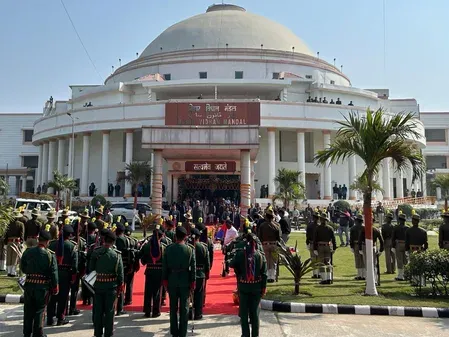
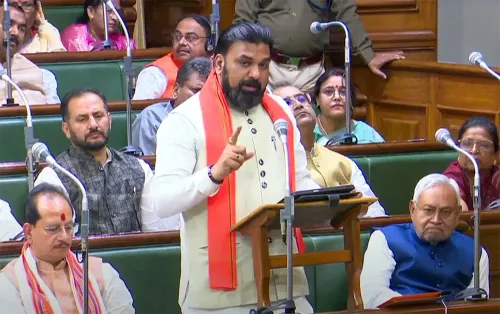
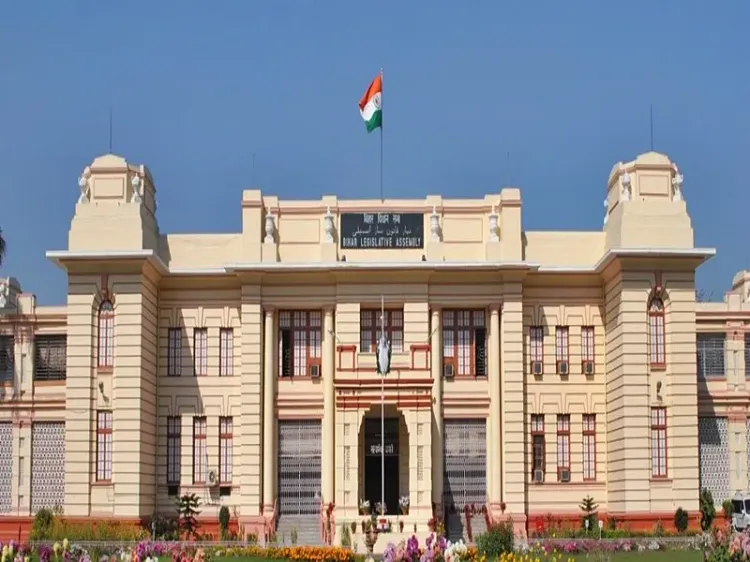
Patna, Dec 3 (NationPress) The third day of the Bihar Legislative Assembly session on Wednesday showcased a compelling mix of political dynamics, constitutional adherence, and parliamentary customs. The state government reiterated its commitment to progress by introducing a significant second supplementary Budget amounting to Rs 91,717.135 crore in both Houses of the Bihar legislature.
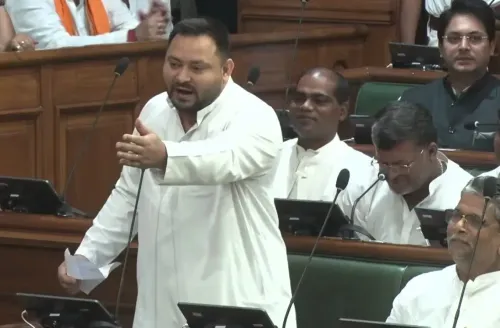
Finance Minister Bijendra Prasad Yadav presented the Budget in the Assembly, while Minister-in-Charge Dilip Jaiswal took charge in the Legislative Council. This substantial allocation is perceived as a crucial move towards enhancing welfare schemes, resolving pending infrastructure initiatives, and fortifying fiscal discipline across vital sectors.
According to the Treasury benches, the supplementary provisions are designed to address critical voids in ongoing programs, revitalize stalled projects, and ensure that flagship schemes are not hindered due to a lack of timely resources. Officials also mentioned that priority areas encompass social welfare, rural development, roads, health, and education, aligning with the government’s proclaimed objectives.
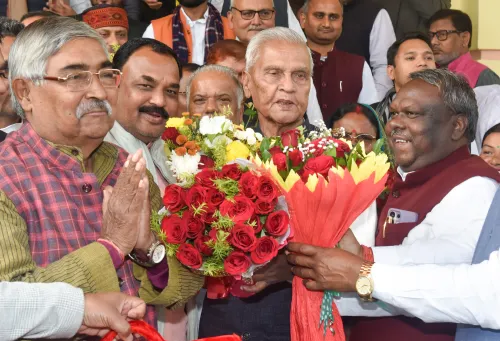
In a noteworthy development, the Assembly marked a moment of unity amid political disparities as senior JD-U leader Narendra Narayan Yadav was unanimously chosen as Deputy Speaker of the Bihar Assembly.
Political analysts assert that his appointment conveys a message that democratic processes can still occur with maturity, decorum, and some level of cross-party collaboration, despite frequent confrontations.
Renowned for his experience, organizational foundation, and balanced approach, Yadav will now lead the House proceedings in the Speaker’s absence and is anticipated to maintain fairness, neutrality, and constitutional norms during sessions.
This session reflected Bihar's evolving political landscape, characterized by a robust developmental emphasis, respect for democratic traditions, and, on selected matters, a relatively mature tone of political discourse between the treasury and Opposition benches.
The House also witnessed deeply emotional moments during a condolence motion. A somber atmosphere enveloped both sides when Speaker Prem Kumar introduced a motion mourning the passing of three prominent public figures linked to Bihar's political and administrative history.
Shrichandra Singh, former MLA from Imamganj (1980-85), was honored as a simple, accessible, grassroots leader who maintained a close connection with regular voters.
Shibu Soren, former Chief Minister of Jharkhand and a past member of the Bihar Legislative Assembly, was commemorated as the venerated "Dishom Guruji" — an emblem of mass movements, tribal rights, and the ongoing struggles for the socio-political upliftment of marginalized communities.
Satyapal Malik, former Governor of Bihar, was recognized for his candidness, administrative prowess, and unwavering commitment to public issues, often expressed in a direct and uncompromising manner that distinguished him.
Members across party lines observed a moment of silence and paid heartfelt tributes, recalling the contributions, challenges, and remarkable public lives of the three leaders in shaping the region's political narrative.
Their passing, the House remarked, has created a substantial void in the democratic, social, and administrative journey of the state and the broader region, even as their legacy continues to motivate activists, public representatives, and future generations.
Point of View
I must emphasize that the recent developments in the Bihar Legislative Assembly reflect a crucial commitment to development and democratic processes. The substantial budget allocation and the election of a Deputy Speaker from a consensus perspective indicate a forward-looking approach amidst a complex political landscape. It's essential to observe how these dynamics shape governance and public welfare in Bihar.
NationPress
18 Oct 2026
Frequently Asked Questions
What was the amount of the supplementary Budget presented?
The Bihar government presented a second supplementary Budget amounting to Rs 91,717.135 crore .
Who was elected as the Deputy Speaker?
Narendra Narayan Yadav was unanimously elected as the Deputy Speaker of the Bihar Assembly.
What are the main focus areas of the supplementary Budget?
The supplementary Budget focuses on social welfare, rural development, roads, health, and education.
What was the atmosphere like during the condolence motion?
The Assembly experienced a somber atmosphere as members paid tribute to three prominent leaders who passed away.
What message does Yadav's election send?
Yadav's election as Deputy Speaker conveys a message of maturity and decorum in democratic processes despite political differences.