Biogas: A Sustainable Fuel Solution for Villagers in Maharashtra's Vidarbha Region
Synopsis
In Maharashtra's Vidarbha region, Rangepar Kohli village pioneers biogas use as a reliable fuel alternative, alleviating LPG shortages during the Gulf crisis. Discover how this innovative approach fosters self-reliance and community resilience amidst uncertainty.
Key Takeaways
Biogas as an alternative fuel: Rangepar Kohli village utilizes biogas from livestock dung, reducing reliance on LPG.
Sustainability: The biogas system enhances self-sufficiency and resilience against fuel shortages.
Community impact: Over 200 families benefit from biogas, improving daily life and reducing environmental waste.
Historical context: The first biogas plant was established in 1987, leading to widespread adoption.
Integration with sanitation: Each biogas unit also includes a toilet, promoting health and hygiene.
Mumbai, March 27 (NationPress) In light of the increasing worries and stress surrounding the limited availability of LPG cylinders and fuel shortages due to the Gulf crisis, a village in Maharashtra's Vidarbha region has unveiled a fascinating solution and a 'gas model' that is garnering attention among many locals.
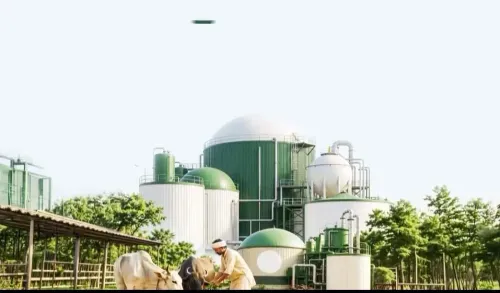
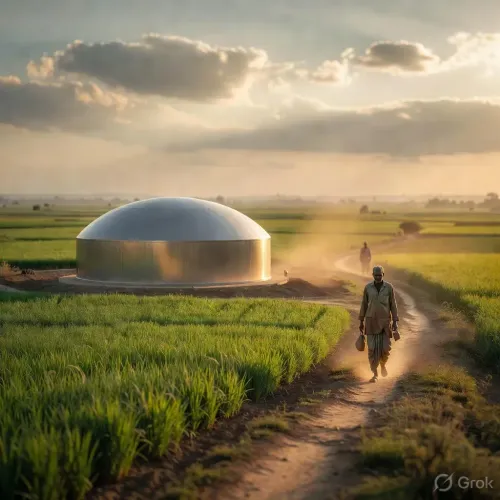
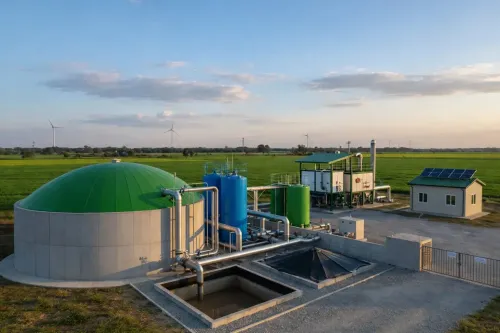
Rangepar Kohli, a charming village with a population of around 2,000 in the Lakhani Taluka of the Bhandara district, has begun to embrace biogas as an alternative energy source, with numerous families gradually transitioning from LPG to this locally produced gas.
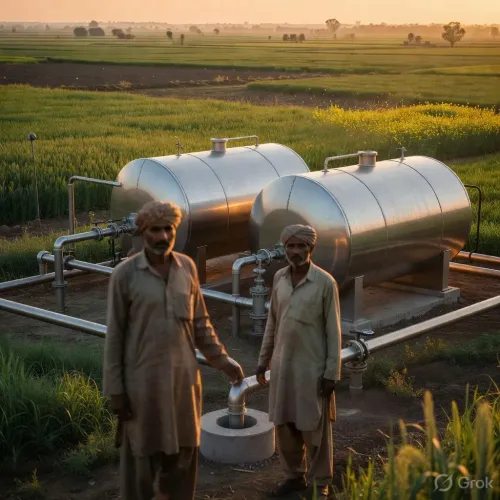
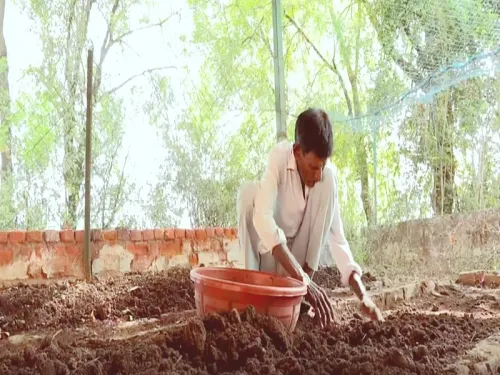
Over 200 families have adopted 'Gobar Gas' (cow dung gas) and biogas systems. Typically, every household in the village raises milch cattle, whose dung is converted into gas for community use.
In a time when fuel shortages can cause distress akin to wartime conditions, this village exemplifies how the use of traditional energy sources can lead to true self-sufficiency.
The 'alternative energy model' initiated by Rangepar Kohli has sparked discussions and admiration throughout the region.
This approach not only alleviates residents’ concerns about supply issues but also provides a glimmer of hope amid the escalating West Asia crisis.
A few villagers shared their experiences regarding how biogas has fulfilled their cooking gas requirements.
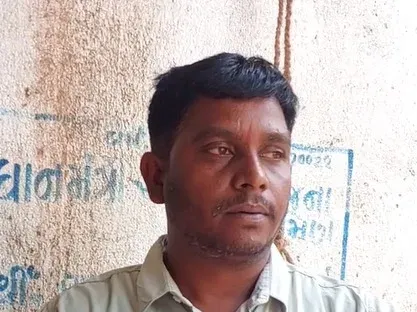
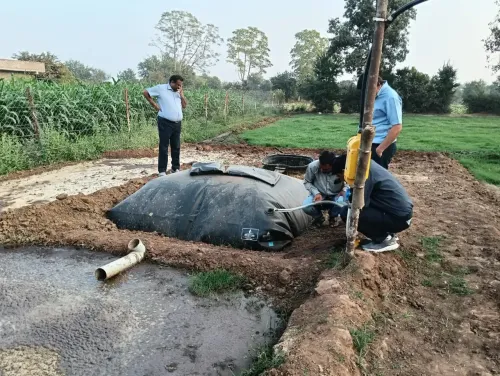
Manohar Borkar, the Sarpanch of Rangepar Kohli, stated to IANS, "A biogas plant was established in our village in 1987. Initially, many were skeptical—how could gas be derived from cow dung? Gradually, around 200 biogas plants have been created as people embraced this concept and built their own biogas facilities.”
He noted that each household has livestock and ample space for a biogas setup. Presently, approximately 200 to 225 biogas plants are fully functional, with the remarkable feature that each unit is also linked to a toilet.
"Our village, Rangepar Kohli, remains entirely unaffected. Thanks to biogas, every family can prepare meals effortlessly. While residents in neighboring villages often face long waits for gas cylinders, we experience none of those challenges here, as our biogas system is solid, dependable, and sustainable," he added.
A villager, Devidas Raghunathji Lanjewar, expressed pride in the village's biogas supply and its role in cushioning them against imminent crises.
“Our Gobar Gas system has been operational since 1987. It has never let us down when it comes to cooking. We utilize it for our daily meals and even use the leftover gas to heat water,” he explained.
“We have five or six livestock animals; we use their dung to produce the gas, which we then utilize,” he contributed.
Another villager, Ishwardas Hatwar, shared, “We previously had an older Gobar Gas unit that worked, but its efficiency waned over time. When the Biogas Scheme was introduced, we transitioned to that system. We now enjoy a plentiful supply of biogas and use it extensively. We no longer rely on gas cylinders, as they are often late; thus, we have completely moved away from them.”
“With our access to biogas, our daily cooking and household tasks proceed without any issues. I received this biogas connection in my daughter-in-law's name,” he concluded.
Point of View
The biogas initiative in Rangepar Kohli not only highlights innovative energy solutions but also demonstrates the community's resilience against global crises. The shift from traditional LPG sources to biogas fosters local self-sufficiency and serves as a model for other regions facing similar challenges.
NationPress
20 Sept 2026
Frequently Asked Questions
What is biogas and how is it produced?
Biogas is a renewable energy source produced from the anaerobic digestion of organic matter, such as cow dung. In Rangepar Kohli, villagers use dung from their livestock to generate biogas, which is then utilized for cooking and other household needs.
How many families in Rangepar Kohli use biogas?
Over 200 families in Rangepar Kohli have installed biogas systems, allowing them to reduce reliance on traditional LPG cylinders.
What are the benefits of using biogas?
Biogas provides a reliable and sustainable energy source, reduces dependence on LPG, and fosters self-sufficiency among villagers. It also helps manage waste and contributes to a cleaner environment.
When was the biogas plant introduced in Rangepar Kohli?
The first biogas plant was introduced in Rangepar Kohli in 1987, which has since led to the establishment of approximately 200 biogas systems in the village.
How does the biogas system affect daily life in the village?
The biogas system has streamlined cooking and household chores for residents, eliminating the need to wait in long lines for gas cylinders, thus improving their quality of life.